Anti-Termite Sheath: Technical Overview for Cable Protection
anti-termite sheath, anti-termite cable, termite resistant cable, rodent resistant cable, IEC 60502 anti-termite cable
By Xinya Power editorial team
Anti-Termite Sheath: Technical Overview for Cable Protection
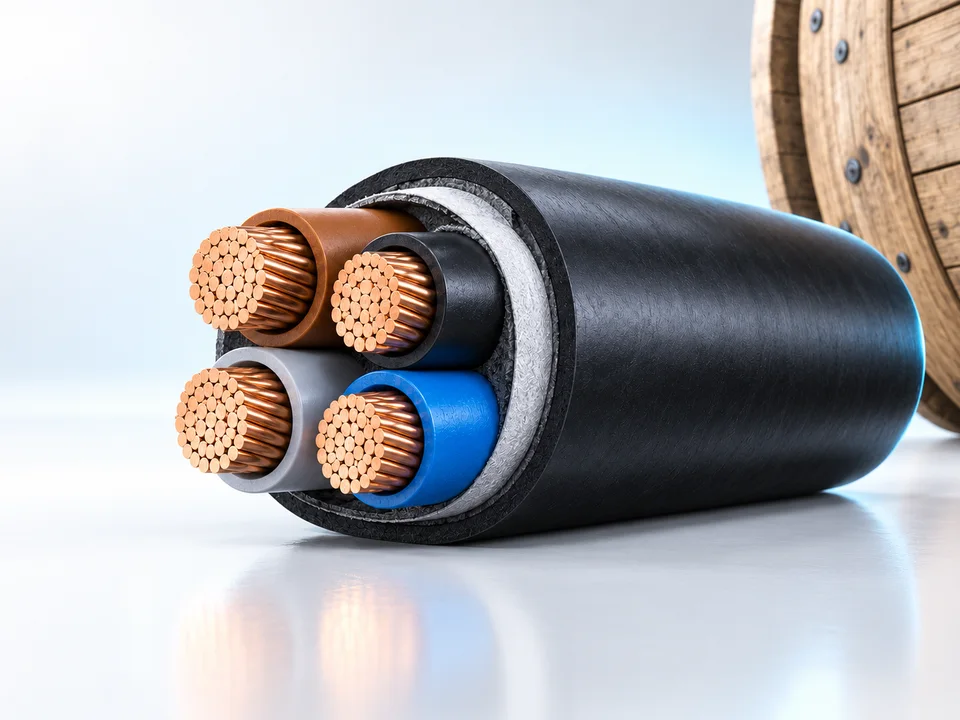
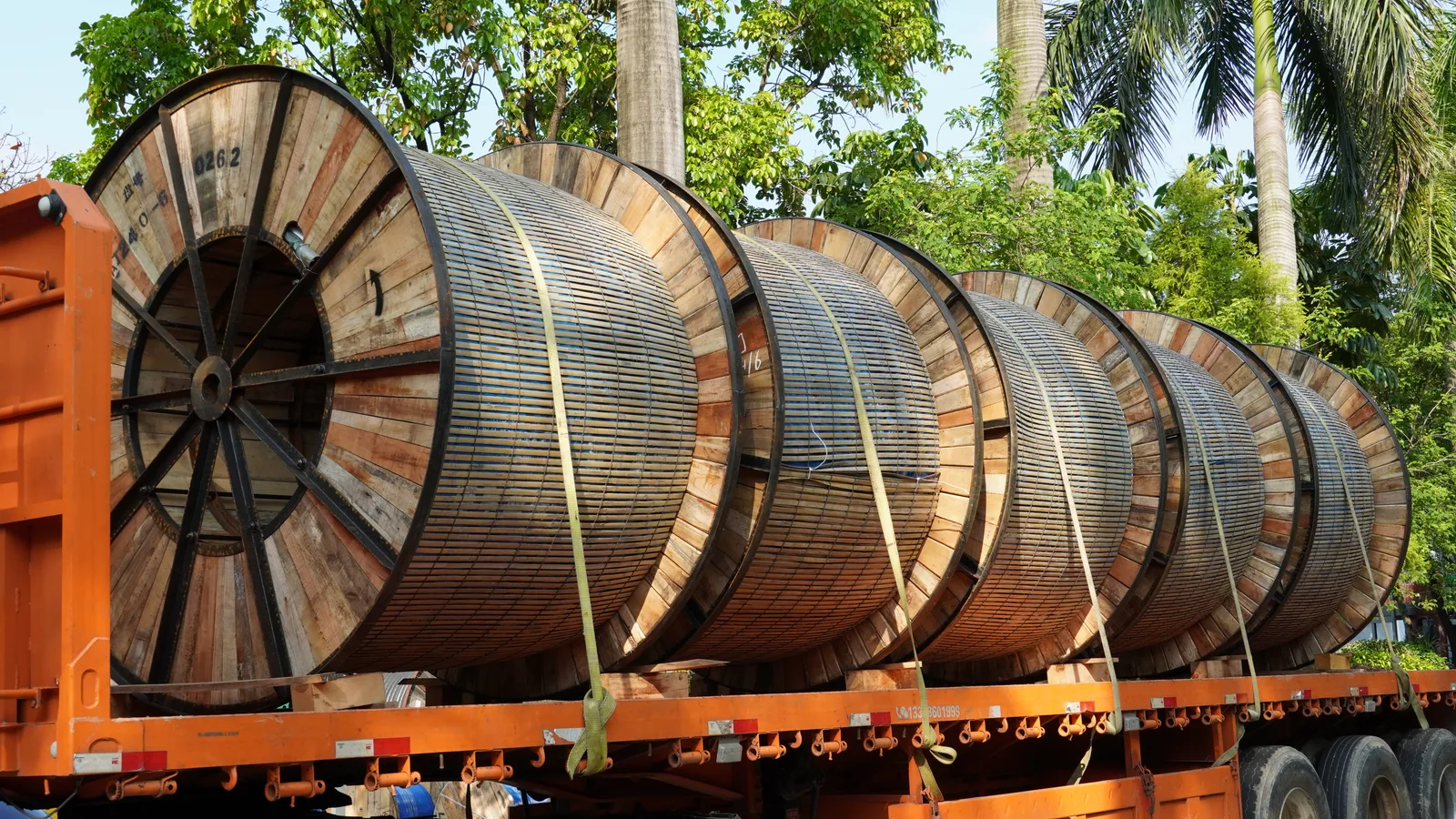
Anti-termite sheath refers to cable outer sheath designs intended to resist termite and rodent attack in environments where biological damage is a known risk. It is commonly specified for underground installations, direct burial applications, tropical and subtropical regions, agricultural areas, rural power networks, and sites with high insect or rodent activity. Typical anti-termite solutions include specially formulated sheath compounds, harder outer materials, or additional protective layers beneath the sheath. The effectiveness of any anti-termite design depends on material hardness, surface texture, chemical resistance, installation depth, soil conditions, and the local species of termites or rodents. Because termite behaviour varies by region, product selection should be supported by relevant test reports or project-specific requirements. Key selection parameters include sheath material, hardness, thickness, installation method, burial depth, soil type, moisture level, temperature range, and compatibility with flame retardant, LSZH, or armoured constructions. For international projects, anti-termite cables may reference IEC 60502, IEC 60228, IEC 60332, IEC 60754, IEC 61034, and applicable utility or regional specifications. Manufacturers typically support type tests, routine tests, sheath integrity tests, environmental resistance tests, and third-party certification. Anti-termite sheath selection should be matched to site risk assessment, installation environment, and long-term maintenance requirements.
China XINYA Power Cables Co., Ltd Email: [email protected] Email: [email protected] whatsapp: +86 15289885778 Website: https://www.power-cables.com