Battery Energy Storage: How to Specify and Source a System
A buyer's guide to battery energy storage: what to check in specs, certifications, configurations, cabling, and how to get a sized quotation.
By Xinya Power editorial team

Image: Energy News
Battery energy storage is the missing link that turns intermittent solar and wind into firm, dispatchable power. Whether you are an installer sizing a home backup system or an EPC planning a grid-scale project, the core question is the same: how do you specify a system that meets the load profile, passes local codes, and arrives on time? This guide walks through the technical checks, typical configurations, and cabling decisions that matter, so you can move from specification to quotation quickly.
Why battery storage is scaling now
Grid operators and governments are treating storage as critical infrastructure. Oman, for example, plans to add 1 GW of battery storage through a partnership between Nama Holding and China’s State Grid International Development, as the country integrates more than 7 GW of planned solar and wind capacity (Energy News). In Australia, the Glenrowan battery adds 102 MW of storage to a 130 MW solar farm after Victoria SEC rewrote its 10-year power purchase deal (Energy News). Meanwhile, the US Department of Energy’s Battery Manufacturing Accelerator aims to plug gaps in domestic material and component supplies as US battery demand looks set to quadruple (Utility Dive). These projects signal two things for buyers: demand is rising across all segments, and supply-chain resilience is becoming a differentiator. That makes specification discipline and supplier vetting more important than ever.
What to check in battery energy storage specifications
Start with usable capacity, not nameplate. A 10 kWh battery may deliver only 9 kWh usable if the depth of discharge (DoD) is limited to 90%. Ask for the usable kWh at the stated DoD and the round-trip efficiency at nominal conditions.
Cycle life is only meaningful with test conditions. Look for the C-rate, temperature, and DoD used in the cycle-life claim. A common benchmark is 6,000 cycles at 80% DoD, 25°C, and 0.5C. If the datasheet omits these, request the test report.
Certifications are non-negotiable. For industrial and commercial systems, IEC 62619 covers safety of industrial lithium batteries, UN38.3 covers transport, and UL 9540A addresses thermal runaway fire propagation. For residential systems, check IEC 62619 and local grid codes. IP rating matters for outdoor cabinets: IP54 or higher for dusty or wet sites.
Warranty should state the throughput or cycle limit, the end-of-warranty capacity retention (typically 70% or 80%), and who performs the service. A 10-year warranty with a 60% retention threshold is not the same as one with 80%.
Typical configurations and what they suit
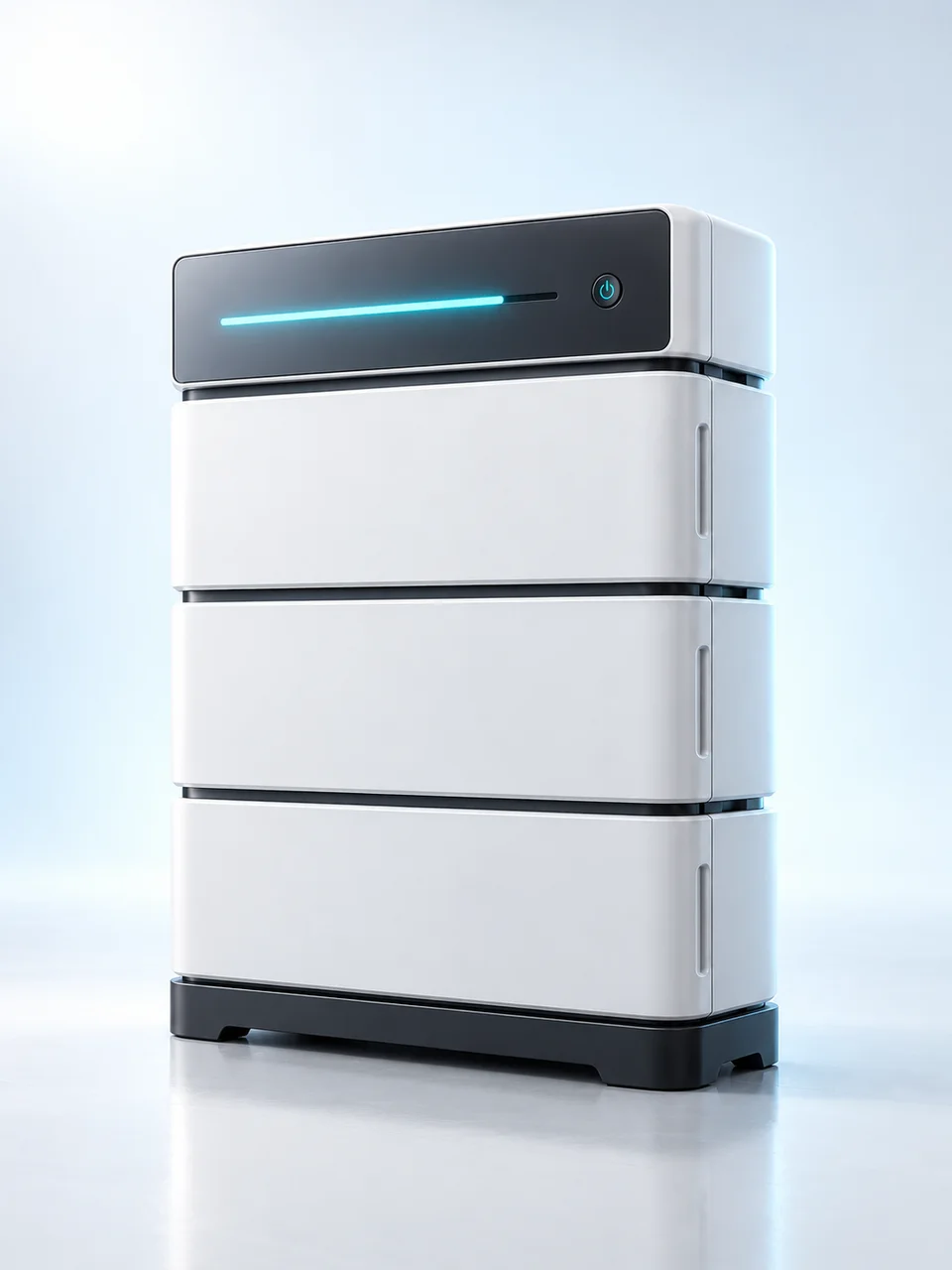
For homes, stackable low-voltage LFP batteries such as the Stackable Home Battery 5.12 / 10.24 kWh let you start small and expand later. Wall-mounted units like the Wall-Mounted LiFePO4 Battery 51.2 V 100 Ah save floor space in garages and utility rooms. Balcony solar users can pair plug-in storage with existing microinverters using the Balcony Energy Storage 2.15 – 6.45 kWh.
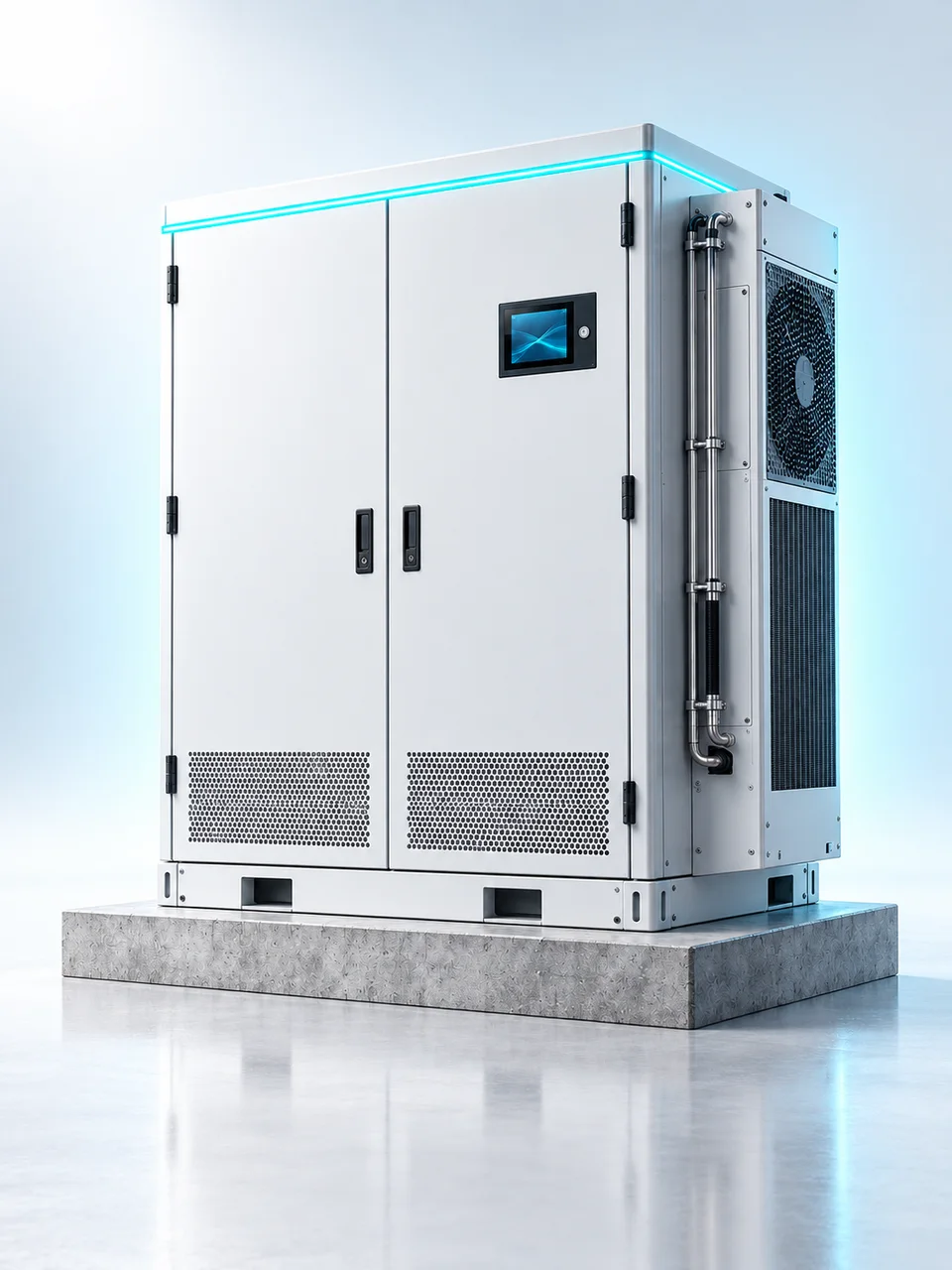
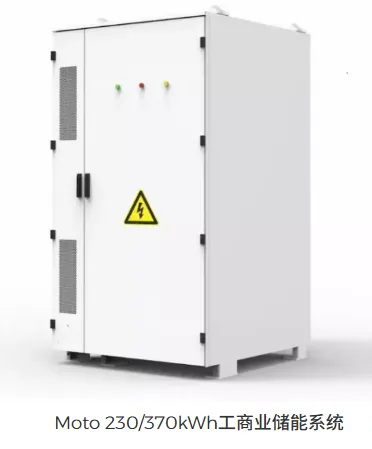
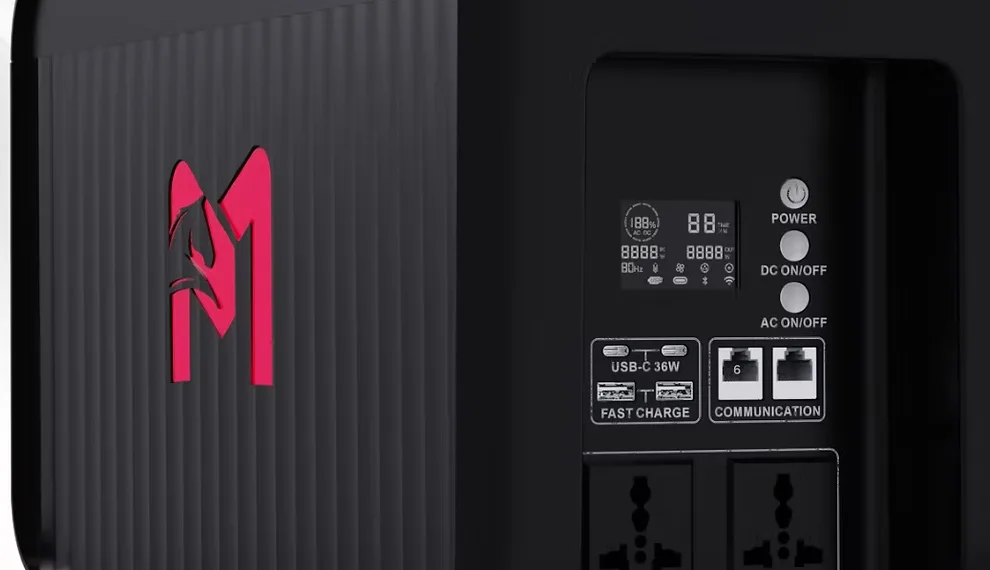
For commercial and industrial sites, a liquid-cooled cabinet such as the Liquid-Cooled C&I Battery Cabinet 372 kWh supports peak shaving and solar shifting, while the Solar Vigour All-in-One Hybrid ESS 30 kW / 60 kWh · 40 kW / 80 kWh bundles inverter, battery, and fire protection in one outdoor cabinet. Off-grid projects can use the G-Series Off-Grid Inverter 3.5 kW / 5.5 kW or the generator-ready G-Pro Off-Grid Inverter 3.6 kW / 6 kW with matched battery banks.
Cabling: the part buyers forget
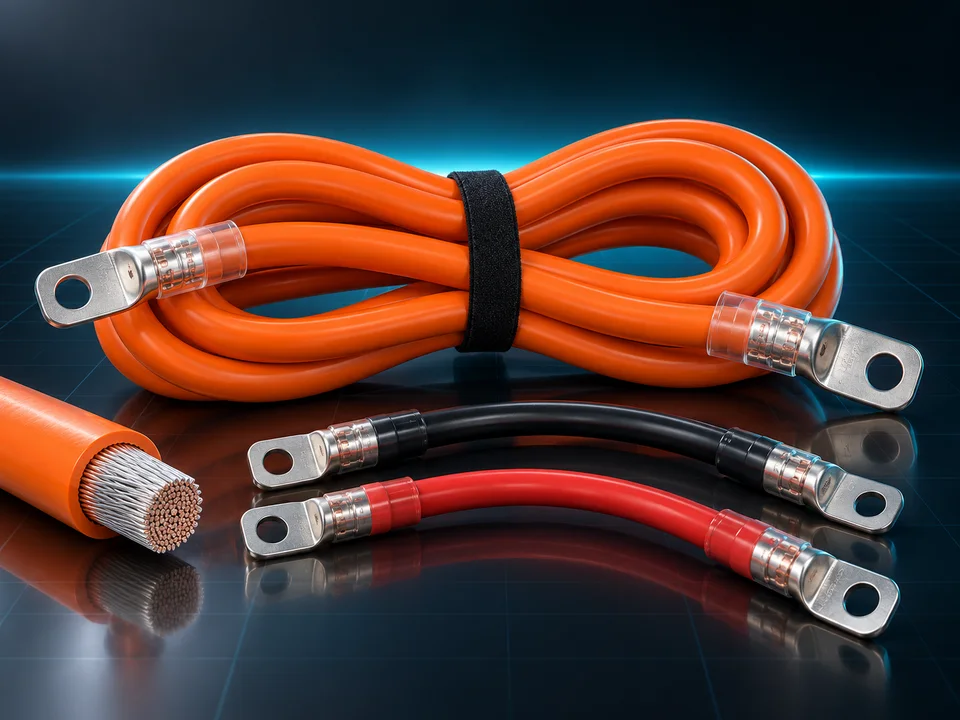
Battery storage is only as reliable as its connections. DC cables between battery racks and inverters must be rated for the system voltage—1,500 V DC is common for C&I and utility-scale racks. Use flexible, double-insulated cables such as the ESS Battery Interconnect Cable 1,500 V DC to handle vibration and tight bend radii. For the AC side, from inverter to switchboard, specify 0.6/1 kV XLPE cable sized for continuous current and voltage drop; the 0.6/1 kV XLPE Power Cable for ESS is built for that duty. PV-side wiring should use EN 50618 cable like the H1Z2Z2-K Solar PV Cable 1.5 kV DC to ensure UV and ozone resistance.
Terminations matter too: confirm lug sizes, torque values, and whether the supplier provides pre-assembled jumpers. A mismatch here can delay commissioning.
Lead times, logistics, and supplier checks
Ask for a production slot, not just a price. Typical lead times for LFP cells and cabinets vary with cell supply; get a written schedule with milestones. Confirm Incoterms, packaging for sea freight (UN38.3-compliant), and whether the supplier handles dangerous-goods documentation. For projects in regions with local-content rules, ask where cells and modules are manufactured—this is increasingly relevant as supply-chain programs like the US Battery Manufacturing Accelerator take shape (Utility Dive).
Finally, request references from similar projects and a factory acceptance test (FAT) protocol. A supplier that can provide matched solar-DC, battery, and AC cabling from one source reduces interface risk and simplifies warranty claims.
Ready to move from specification to quotation? Send your load profile and project details to /en/contact/ and we will return a sized configuration with cabling and lead times.
Frequently asked questions
What is the difference between nameplate and usable capacity in battery energy storage?
Nameplate capacity is the total energy the battery can store, while usable capacity is what you can actually draw given the depth of discharge (DoD) limit. Always specify usable kWh at the stated DoD and round-trip efficiency.
Which certifications should I require for a commercial battery storage system?
At minimum, look for IEC 62619 for battery safety, UN38.3 for transport, and UL 9540A for fire propagation testing. IP54 or higher is advisable for outdoor cabinets.
How do I choose the right DC cable for battery racks?
Select cable rated for the system voltage—1,500 V DC is common for C&I and utility racks—and use flexible, double-insulated types designed for battery interconnect duty. Confirm lug sizes and torque specs with the supplier.
What lead time should I expect for a battery energy storage system?
Lead times vary with cell supply and project size, typically ranging from several weeks to a few months. Ask for a written production schedule with milestones and confirm logistics and dangerous-goods documentation.
Can you supply a complete system including cables and inverters?
Yes, Xinya Power Cables supplies LFP batteries, hybrid/off-grid inverters, PV modules, and matched solar-DC, battery, and AC cabling. Send your load profile via /en/contact/ for a sized configuration and quotation.
This article was compiled with automated research and reviewed against the cited sources.