Bending Radius: Technical Overview for Cable Installation
bending radius, minimum cable bending radius, cable installation bending, IEC 60502 bending radius, armoured cable bending radius
By Xinya Power editorial team
Bending Radius: Technical Overview for Cable Installation
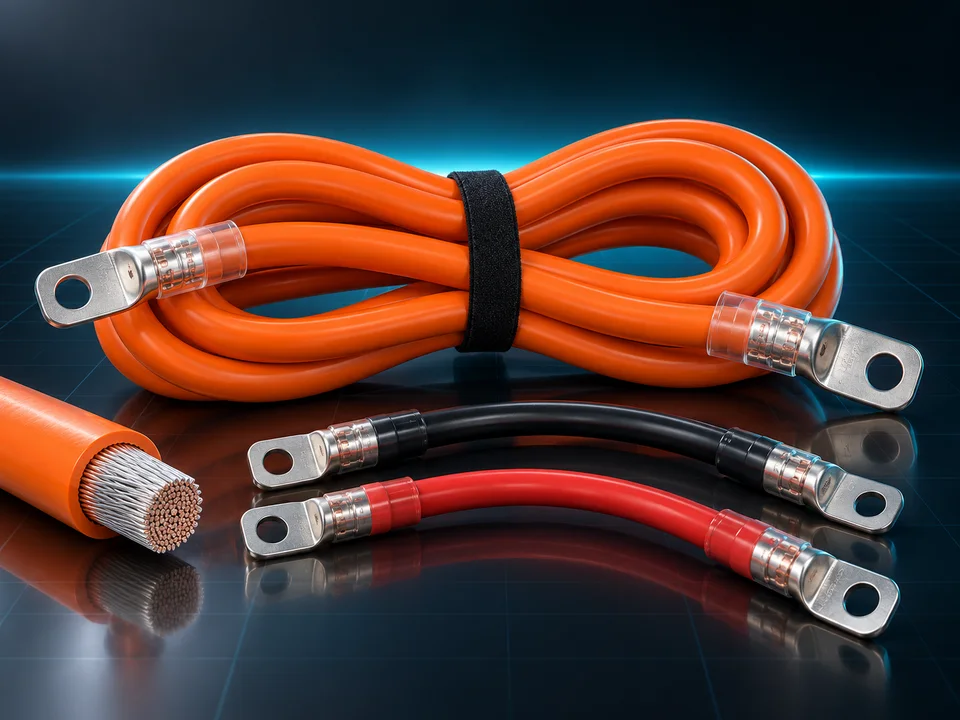
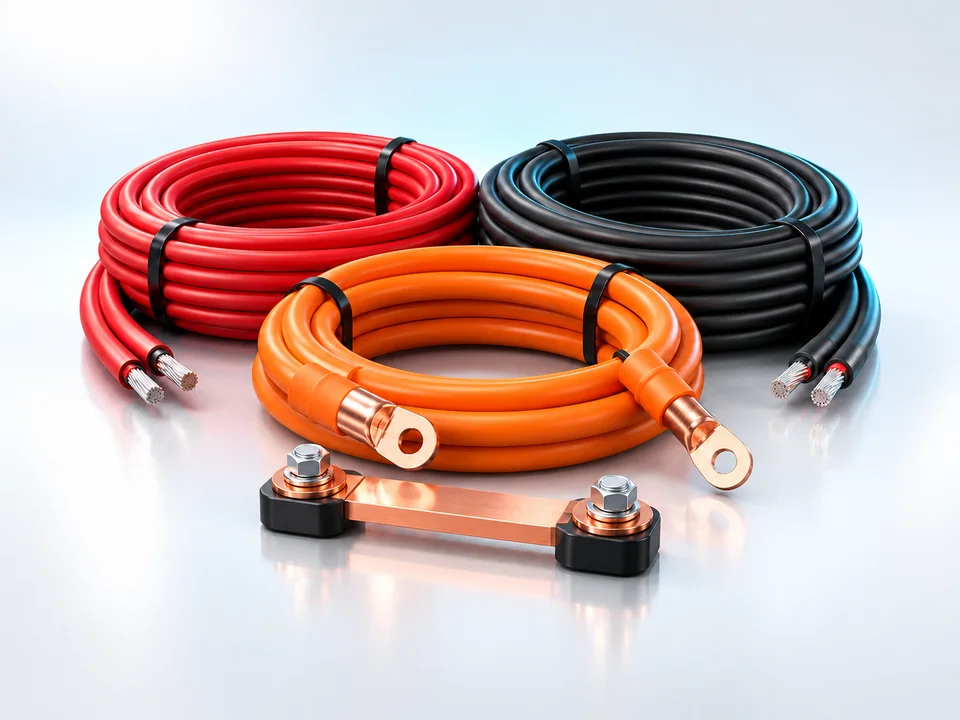
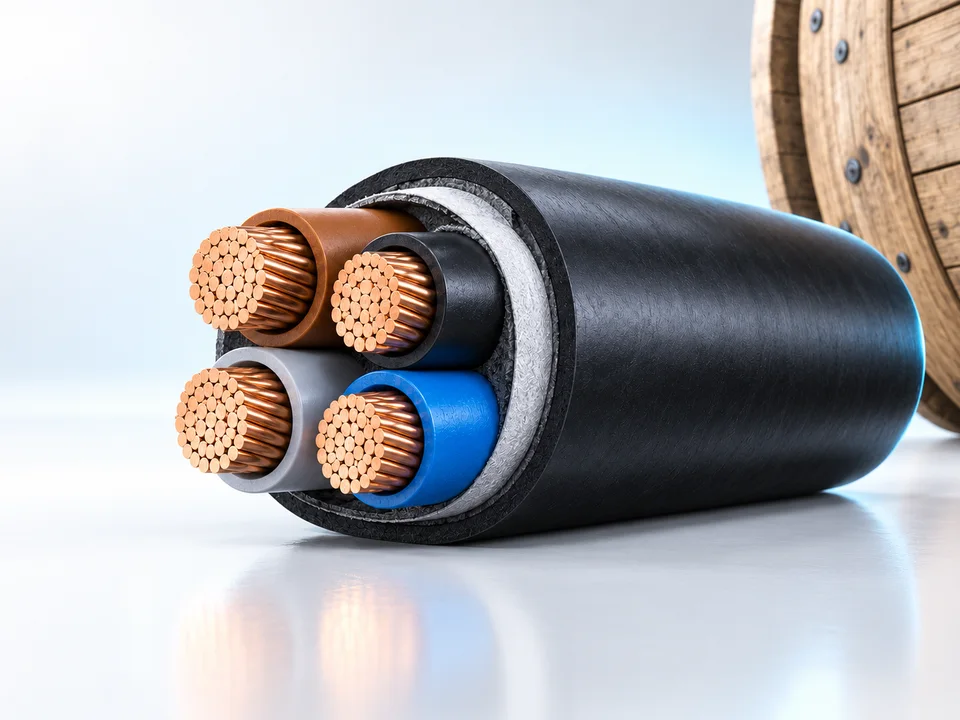
Bending radius defines the minimum curvature to which a power cable can be safely bent during installation and service without damaging its insulation, screens, armour, or conductors. Exceeding the recommended bending radius can cause insulation cracking, conductor deformation, screen displacement, or reduced dielectric strength, particularly in medium- and high-voltage cables. The minimum bending radius is typically expressed as a multiple of the overall cable diameter (D) and varies according to cable construction. Unarmoured low-voltage cables generally permit tighter bends, while armoured, screened, or medium-voltage cables require larger radii. Common reference values include 6D, 8D, 12D, or 15D, depending on whether the cable is armoured, unarmoured, single-core, or multi-core, and whether bending occurs during installation or in fixed service. Key selection parameters include cable diameter, armour type, insulation material, conductor size, installation method, pulling tension, and whether the cable is bent under load or after installation. For international projects, bending radius requirements are specified in IEC 60502, IEC 60840, IEC 61892, and applicable utility standards. Manufacturers provide minimum bending radius values in installation guides and technical datasheets. Proper bending practices help prevent mechanical damage, maintain insulation integrity, and ensure long-term operational reliability.
China XINYA Power Cables Co., Ltd Email: [email protected] Email: [email protected] whatsapp: +86 15289885778 Website: https://www.power-cables.com