Building Wire: Technical Overview for Electrical Installations
building wire, THHN THWN building wire, UL building wire, copper building wire, IEC 60228 building wire
By Xinya Power editorial team
Building Wire: Technical Overview for Electrical Installations
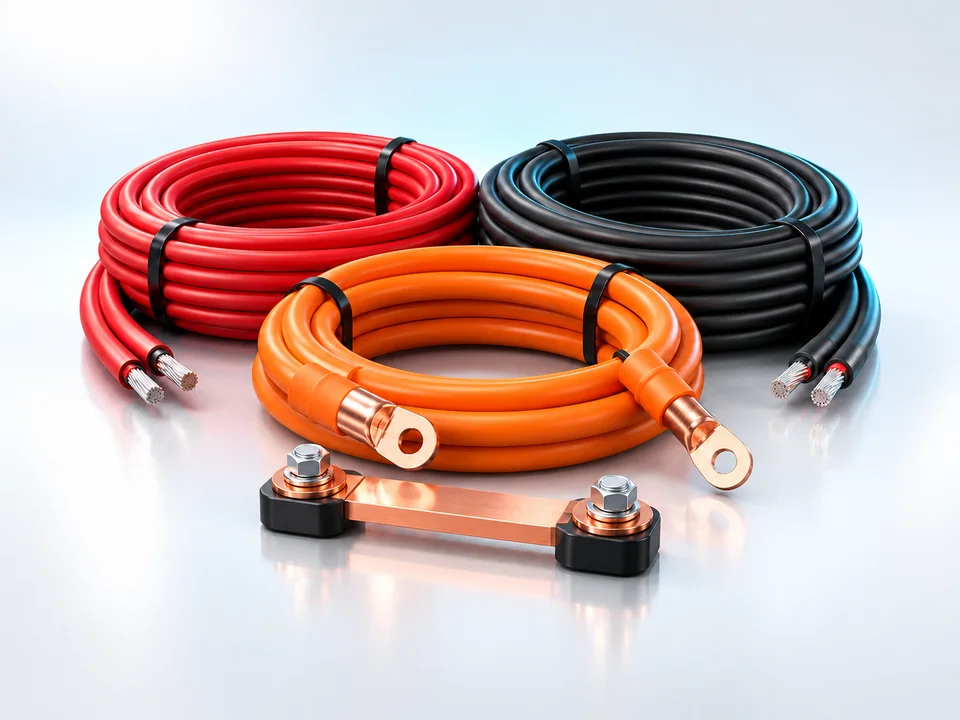
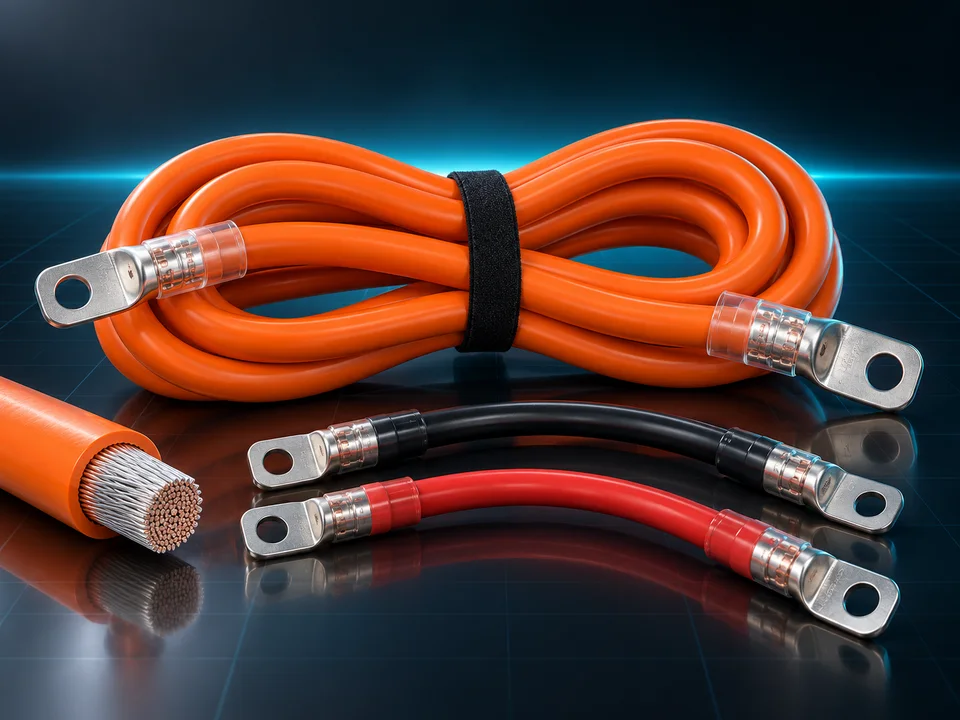
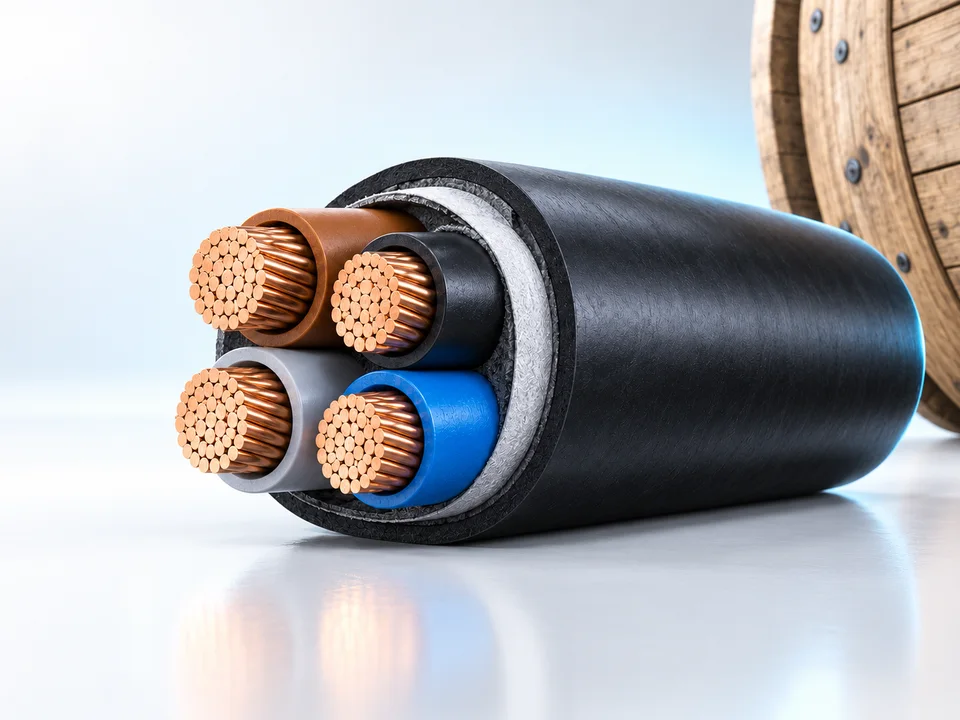
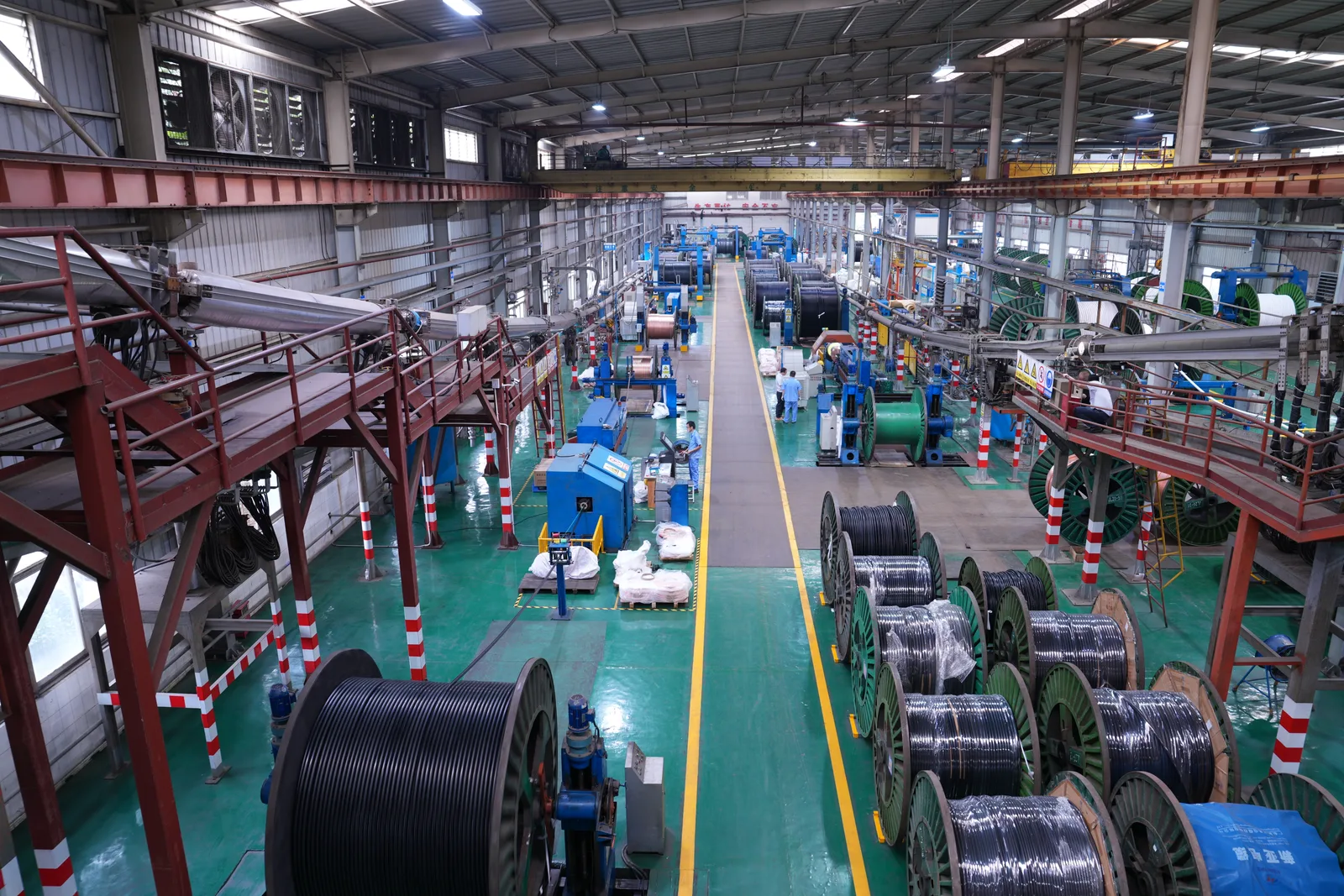
Building wire is used for power distribution, lighting circuits, and equipment connections within residential, commercial, and industrial buildings. It is typically installed in conduits, cable trays, trunking, or embedded systems, and serves as the primary wiring for branch circuits, feeders, and service entrance applications. Common types include THHN/THWN, THW, XHHW, NM cable, and flexible building wire, using copper or aluminum conductors with PVC, nylon, XLPE, or LSZH insulation. Selection depends on installation method, environmental exposure, voltage level, temperature rating, and applicable electrical codes. Key selection parameters include rated voltage, conductor material, cross-section, number of cores, insulation type, temperature rating, flame retardancy, wet or dry location suitability, and conduit or direct burial requirements. For international projects, building wire may reference NEC Article 310, UL 83, UL 44, UL 719, UL 758, IEC 60228, IEC 60332, and local building regulations. Manufacturers typically support type tests, routine tests, insulation resistance tests, flame propagation tests, and third-party certification. Product selection should be aligned with local electrical codes, building classifications, and the specific installation environment.
China XINYA Power Cables Co., Ltd Email: [email protected] Email: [email protected] whatsapp: +86 15289885778 Website: https://www.power-cables.com