China ESS System : Technical Overview for Energy Storage Applications
ESS system, energy storage system, battery energy storage system, BESS, industrial ESS ESS System: Technical Overview for Ener
By Xinya Power editorial team
China ESS System : Technical Overview for Energy Storage Applications
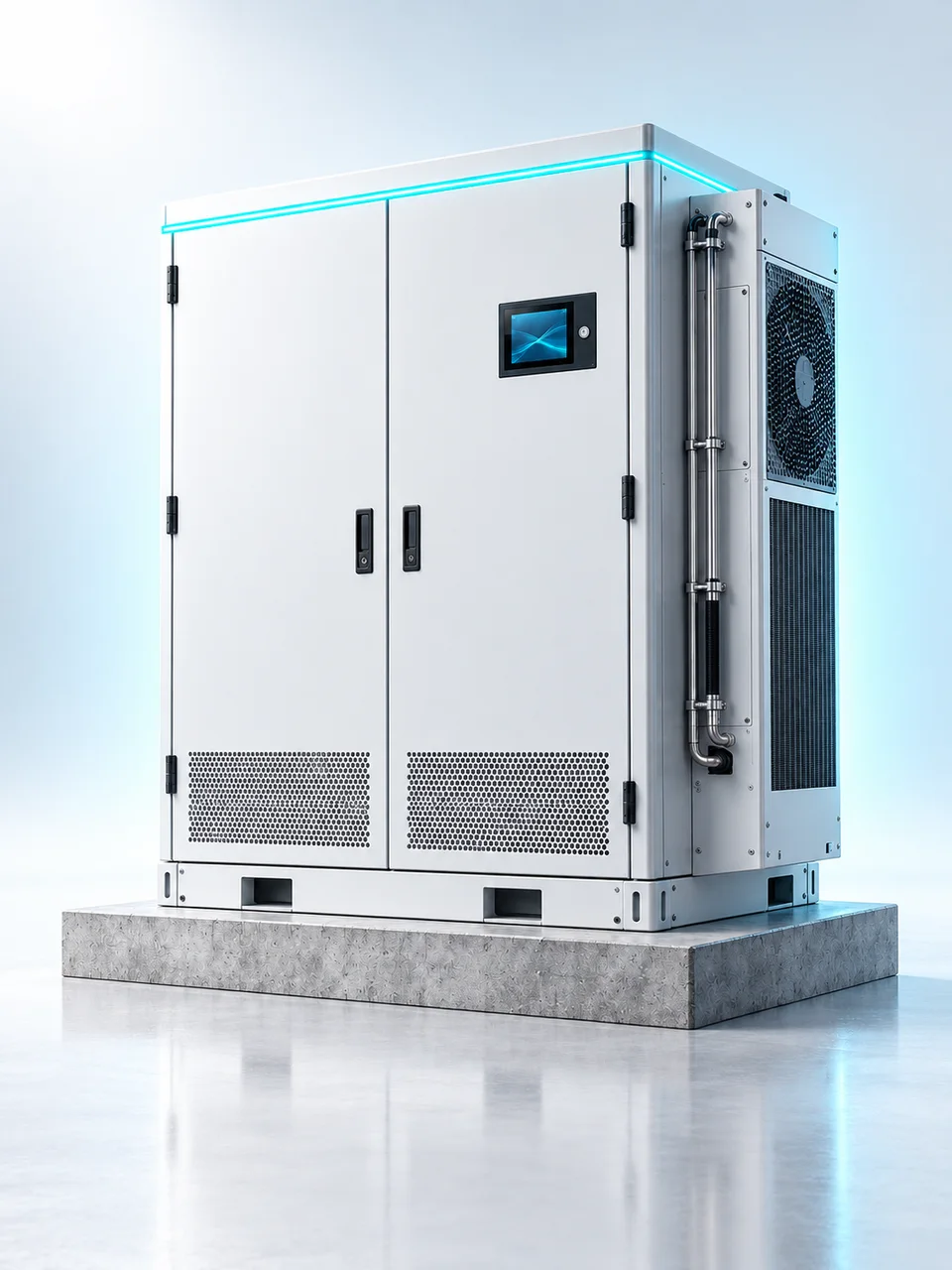
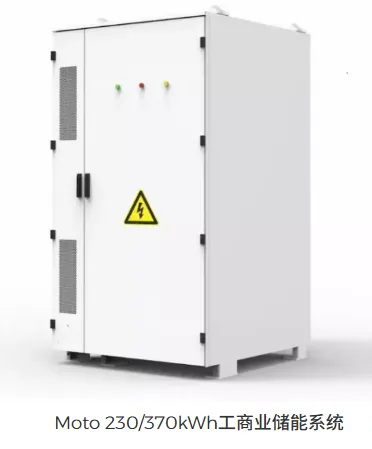
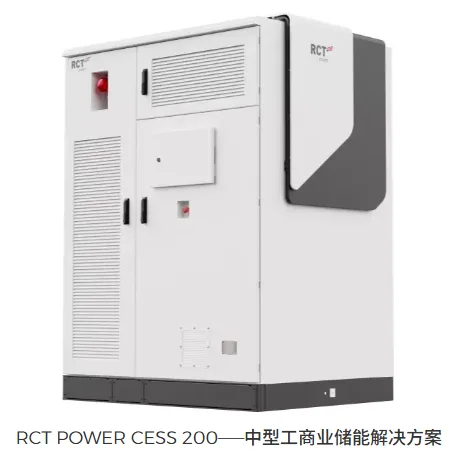
An ESS system, or energy storage system, stores electrical energy for later use and helps balance supply and demand in power networks. Battery-based ESS systems, often called BESS, are widely applied in utility grids, industrial facilities, commercial sites, renewable energy plants, microgrids, and backup power installations. A typical ESS system consists of battery modules or racks, a battery management system, a power conversion system, and an energy management system. The battery unit stores energy, usually in lithium-ion or other electrochemical cells. The BMS monitors cell voltage, temperature, current, and state of charge to maintain safe operation. The PCS converts DC power from the batteries into AC power for the grid or local loads, and can also convert AC to DC during charging. The EMS coordinates charging and discharging based on operational strategy, grid conditions, and load requirements. ESS systems are commonly deployed for peak shaving, renewable energy smoothing, frequency regulation, voltage support, demand charge management, and backup power. In industrial and utility applications, they may be installed as outdoor cabinets, containerized units, or building-integrated systems. Thermal management, fire protection, enclosure rating, and communication interfaces are important design considerations. Key technical parameters include rated energy capacity, rated power, DC voltage range, AC voltage and frequency, round-trip efficiency, cycle life, depth of discharge, response time, operating temperature range, protection class, and grid connection requirements. System design should consider applicable standards such as IEC 62933 for electrical energy storage systems, IEC 62619 for industrial lithium battery safety, and relevant grid interconnection requirements. Proper integration requires coordination between electrical design, protection settings, communication protocols, site conditions, and commissioning procedures. Routine monitoring of battery health, thermal performance, insulation condition, and safety systems supports stable long-term operation. Keywords: ESS system, energy storage system, battery energy storage system, BESS, industrial ESS ESS System: Technical Overview for Ener
China XINYA Power Cables Co., Ltd Email: [email protected] Email: [email protected] whatsapp: +86 15289885778 Website: https://www.esspow.com