Commercial & Industrial ESS: Technical Overview for Industrial Energy Management
commercial and industrial ESS, C&I energy storage system, industrial battery energy storage, commercial BESS, industrial ESS cabinet
By Xinya Power editorial team
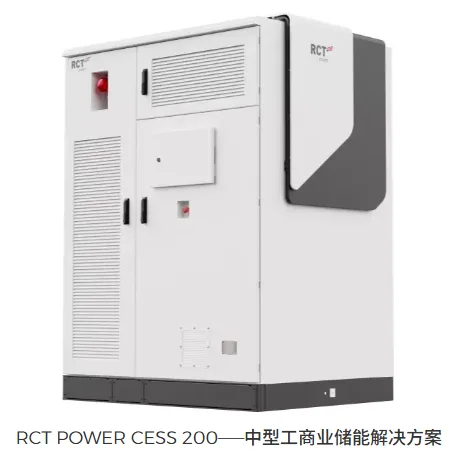
Commercial & Industrial ESS: Technical Overview for Industrial Energy Management
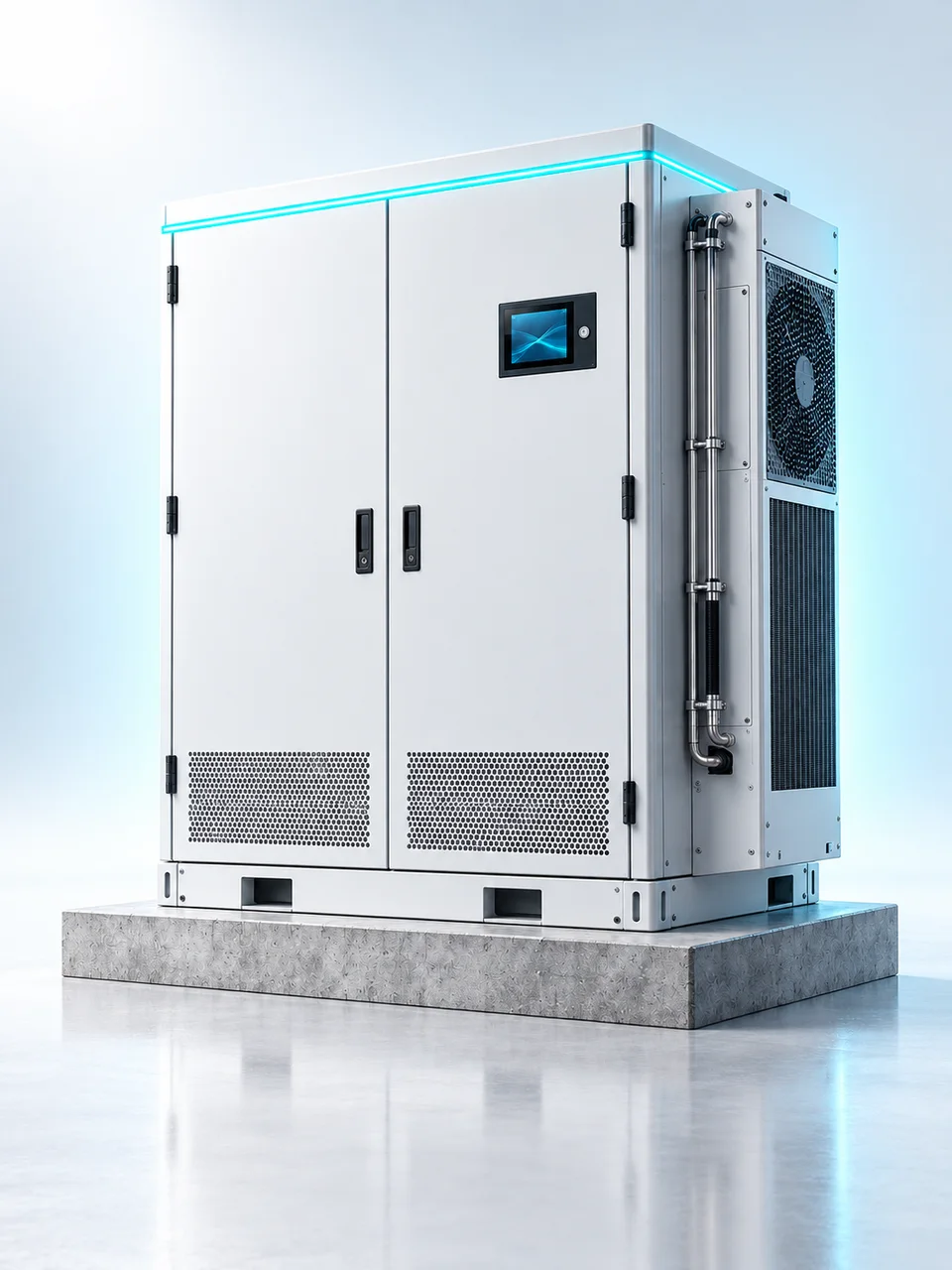
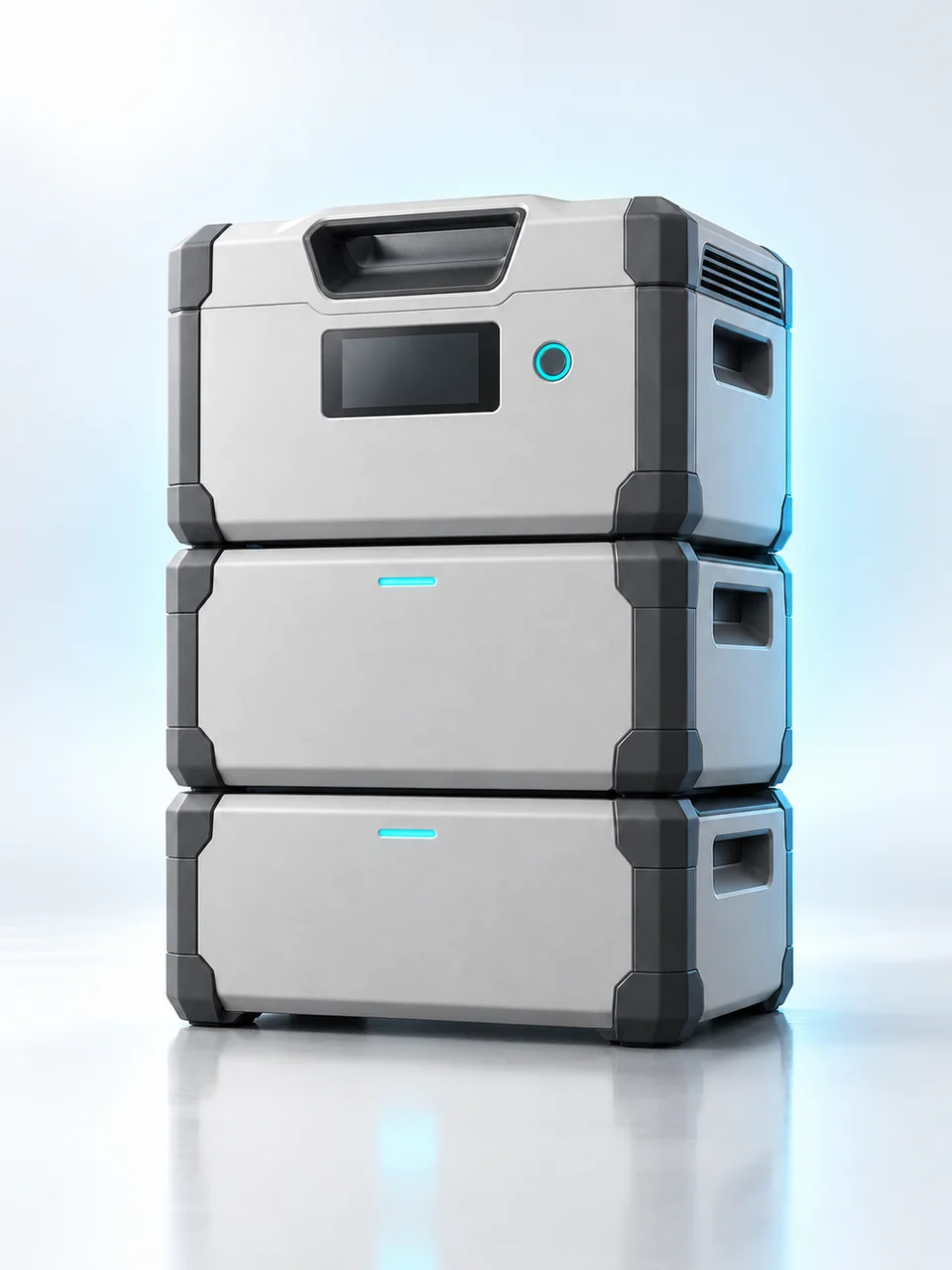
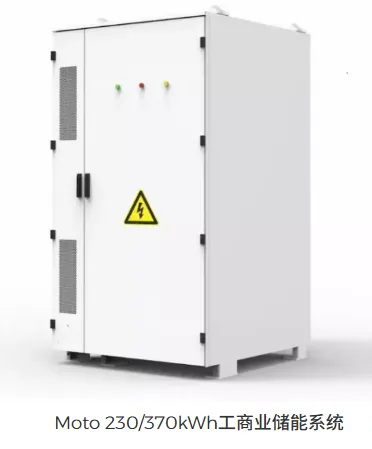
A commercial and industrial ESS is a user-side battery energy storage system designed for factories, industrial parks, data centers, EV charging stations, commercial buildings, and distributed renewable energy sites. It stores electricity during low-cost or high-generation periods and discharges during peak demand, helping optimize energy costs, improve power reliability, and increase renewable energy utilization. The system typically integrates lithium iron phosphate battery modules, a battery management system, a power conversion system, an energy management system, thermal management, fire protection, metering, and monitoring software. The BMS monitors cell voltage, current, temperature, SOC, and SOH, and provides protection against overcharge, over-discharge, overcurrent, short circuit, and temperature faults. The PCS performs bidirectional AC-DC conversion and supports grid-tied, off-grid, and backup operation. The EMS schedules charge and discharge based on electricity tariffs, load profiles, PV generation, and grid conditions. Commercial and industrial ESS products are commonly deployed as outdoor integrated cabinets or containerized systems. Typical single-cabinet power ratings range from about 50 kW to 200 kW, with energy capacity from roughly 100 kWh to 400 kWh, and multiple units can be paralleled for larger capacity. Liquid cooling is increasingly adopted to improve temperature uniformity and auxiliary power efficiency, while air cooling remains suitable for certain environments. Common application modes include peak shaving, demand charge management, PV self-consumption, backup power, microgrid support, and participation in demand response or ancillary service programs. System selection should consider rated power and energy, C-rate, round-trip efficiency, cycle life, cooling method, enclosure protection rating, communication protocol, grid interconnection requirements, and site environment. For international projects, safety evaluation may reference UL 9540 for energy storage system safety, UL 9540A for thermal runaway fire propagation testing, NFPA 855 for installation requirements, IEC 62619 for industrial lithium battery safety, UL 1973 for stationary battery systems, and IEEE 1547 for grid interconnection. Keywords: commercial and industrial ESS, C&I energy storage system, industrial battery energy storage, commercial BESS, industrial ESS cabinet
China XINYA Power Cables Co., Ltd Email: [email protected] whatsapp: +86 15289885778 Website: https://www.esspow.com