Containerized Energy Storage Systems: Technical Overview for Utility and Industrial Applications
containerized energy storage systems, containerized ESS, containerized battery energy storage system, containerized BESS, modular energy storage container
By Xinya Power editorial team
Containerized Energy Storage Systems: Technical Overview for Utility and Industrial Applications
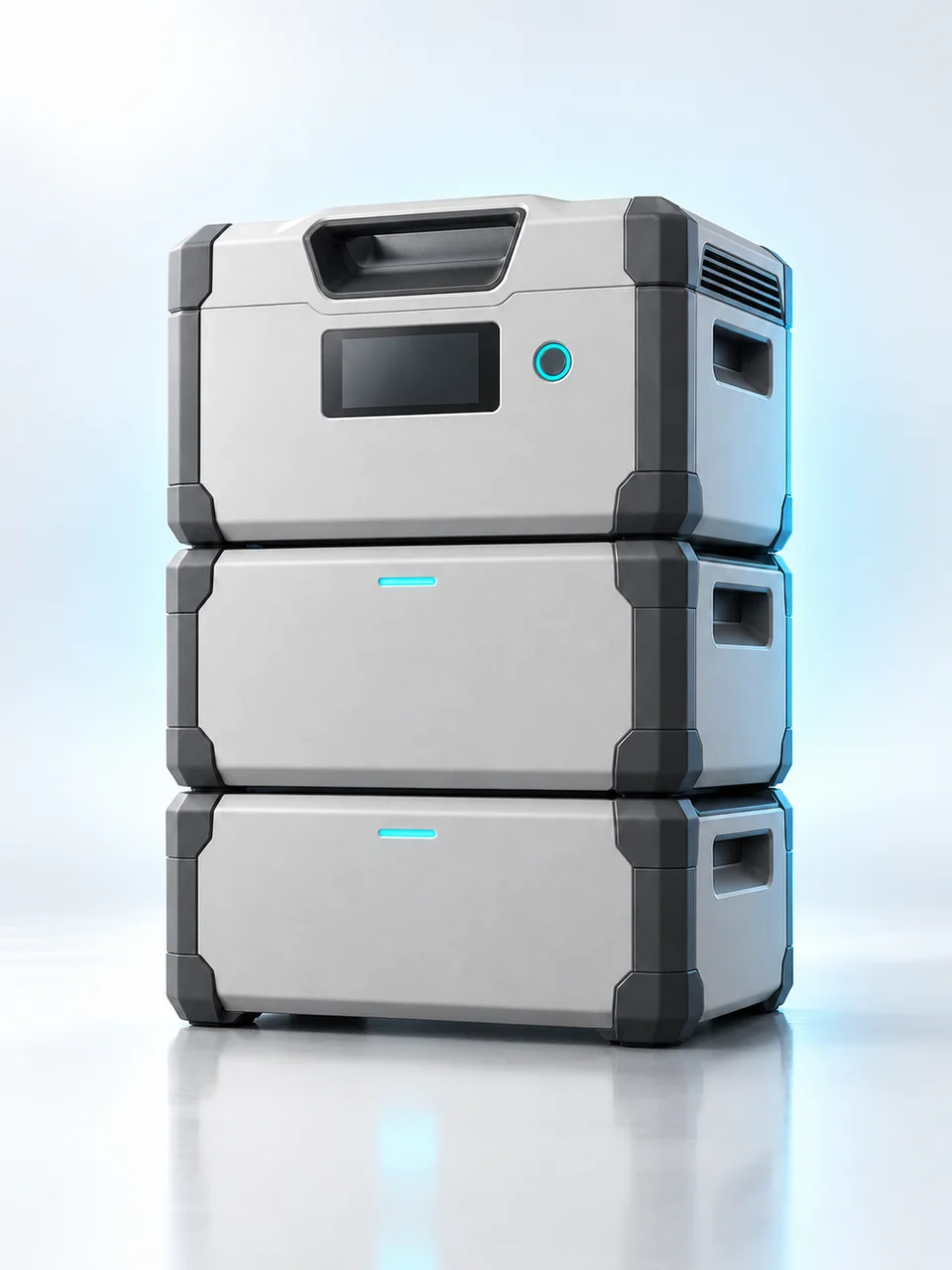
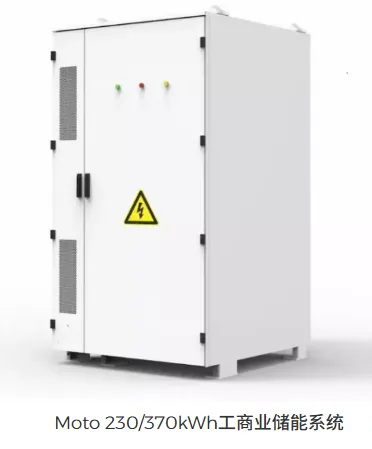
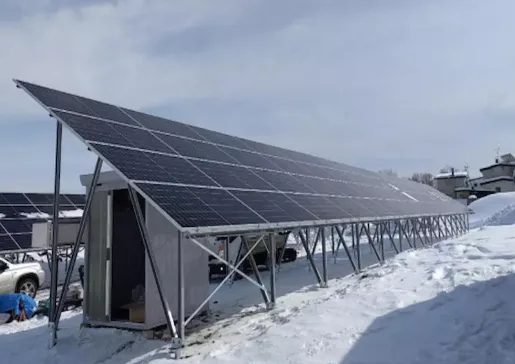
Containerized energy storage systems are factory-integrated battery energy storage units built inside standard shipping containers, typically 10-foot, 20-foot, or 40-foot enclosures. They integrate lithium iron phosphate battery racks, a battery management system, a power conversion system, an energy management system, thermal management, fire protection, power distribution, monitoring, and auxiliary systems into one deployable unit. This architecture is widely used in utility-scale projects, commercial and industrial facilities, renewable energy plants, microgrids, EV charging hubs, remote power installations, and temporary or mobile energy supply applications. Containerized systems reduce on-site construction work, simplify logistics, and support fast commissioning because most integration, wiring, testing, and safety checks are completed at the factory. A typical containerized energy storage system separates the battery compartment from the electrical compartment to improve safety, maintenance access, and thermal isolation. Battery racks are arranged with defined airflow or coolant channels, while the PCS, transformers, switchgear, and control cabinets are placed in dedicated equipment areas. Modern designs increasingly adopt liquid cooling to improve temperature uniformity, reduce auxiliary power consumption, and support higher energy density, although air-cooled configurations remain relevant for certain applications. Safety design follows a layered approach. The BMS monitors cell voltage, current, temperature, SOC, SOH, and insulation status. The fire protection system typically includes smoke, heat, and combustible gas detection, ventilation control, suppression agents, pressure relief, and联动 with the BMS, PCS, and EMS. For international projects, system evaluation may reference UL 9540 for energy storage system safety, UL 9540A for thermal runaway fire propagation testing, NFPA 855 for installation requirements, IEC 62933 for grid-integrated electrical energy storage systems, and IEC 62619 for industrial lithium battery safety. Key technical parameters include rated power, rated energy, DC voltage range, AC voltage and frequency, round-trip efficiency, C-rate, cycle life, depth of discharge, cooling method, enclosure protection rating, parallel capability, communication protocol, and grid interconnection requirements. System selection should consider site environment, transportation limits, grid code compliance, fire safety approval, operation strategy, and long-term maintenance planning. Keywords: containerized energy storage systems, containerized ESS, containerized battery energy storage system, containerized BESS, modular energy storage container
China XINYA Power Cables Co., Ltd Email: [email protected] whatsapp: +86 15289885778 Website: https://www.esspow.com