E-Mobility Ecosystem: Technical Overview for EV Infrastructure and Energy Integration
e-mobility ecosystem, EV charging infrastructure, vehicle-to-grid integration, EV charging and energy storage, electric mobility system
By Xinya Power editorial team
E-Mobility Ecosystem: Technical Overview for EV Infrastructure and Energy Integration
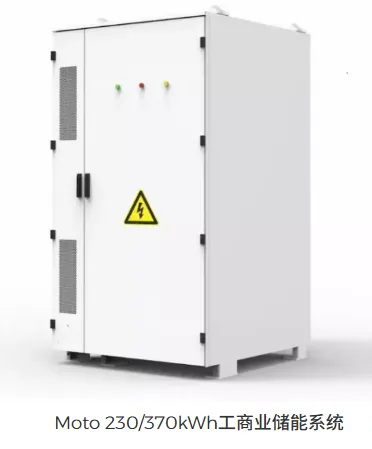
The e-mobility ecosystem connects electric vehicles, charging infrastructure, energy supply, digital platforms, and grid systems into an integrated technical network. It includes EV charging stations, battery systems, power electronics, energy management software, grid interconnection, and service platforms that support charging, roaming, monitoring, and maintenance. Charging infrastructure forms the physical layer. AC charging is typically used for residential, workplace, and destination charging, while DC fast charging supports higher-power applications such as highways, fleets, and public hubs. Charging hardware includes power modules, connectors, cable assemblies, control units, metering devices, and protective components. Software layers manage authentication, billing, remote monitoring, load balancing, and interoperability between operators. Energy integration is becoming a core part of the ecosystem. PV-coupled charging, stationary battery storage, and vehicle-to-grid systems allow EVs to function as flexible loads or distributed energy resources. In site-level design, charging stations may be integrated with solar generation, energy storage cabinets, transformers, switchgear, and local energy management systems to reduce peak demand and improve power utilization. Key technical considerations include site power capacity, transformer sizing, cable routing, earthing design, communication protocols, cybersecurity, environmental protection rating, and compatibility with regional charging standards. For international projects, relevant references include IEC 61851 for conductive charging systems, IEC 62196 for connectors, ISO 15118 for vehicle-to-grid communication, IEC 63110 for charging infrastructure management, and IEC 63382 for distributed energy storage based on EV batteries. Product and system evaluation should consider charging power level, connector type, communication interface, grid interconnection requirements, environmental conditions, installation method, and coordination with PV, storage, and substation equipment.
China XINYA Power Cables Co., Ltd Email: [email protected] whatsapp: +86 15289885778 Website: https://www.esspow.com