Energy Storage Cabinet: Technical Overview for Commercial and Industrial Applications
energy storage cabinet, battery energy storage cabinet, BESS cabinet, commercial energy storage cabinet, industrial energy storage cabinet
By Xinya Power editorial team
Energy Storage Cabinet: Technical Overview for Commercial and Industrial Applications
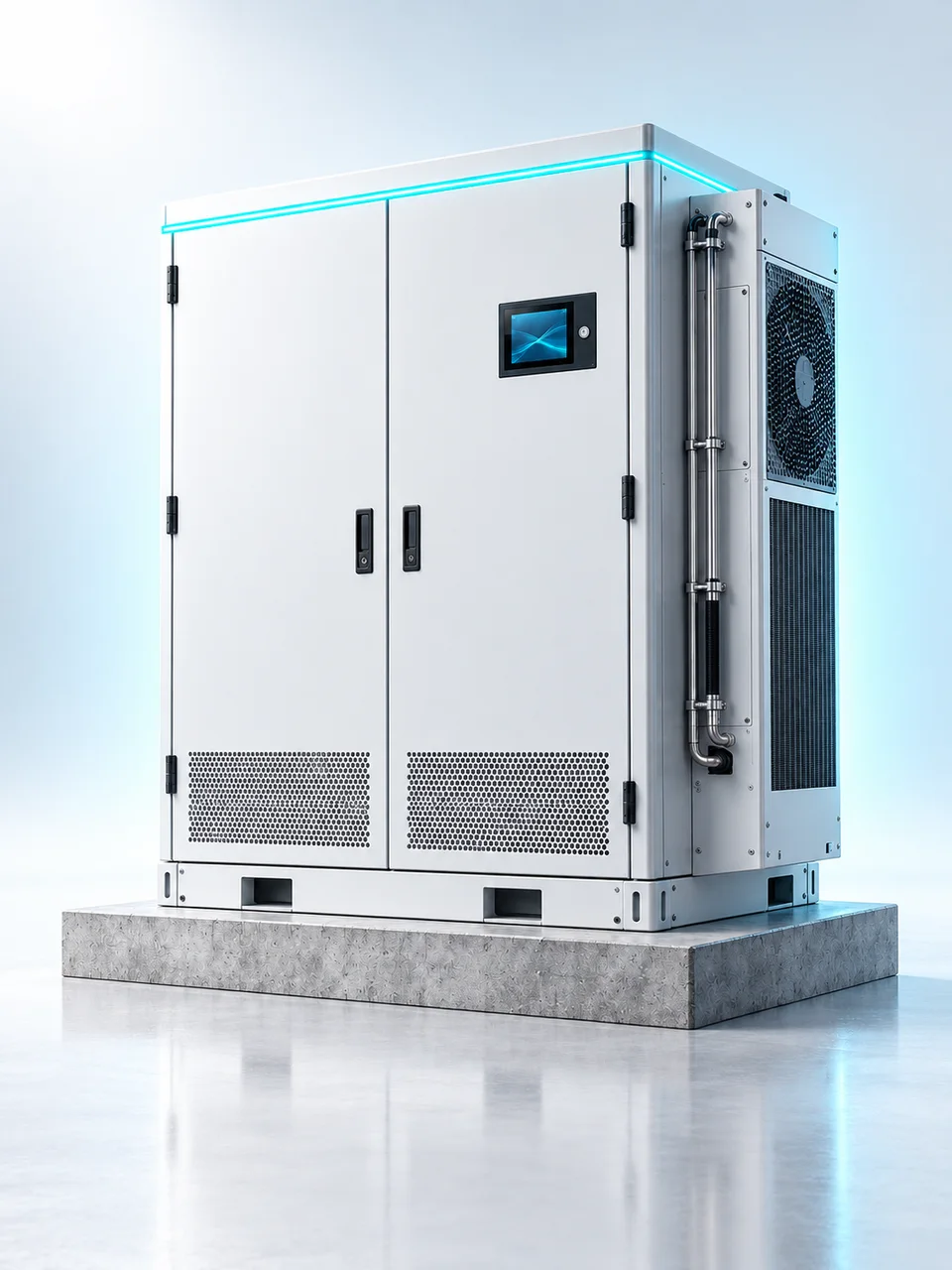
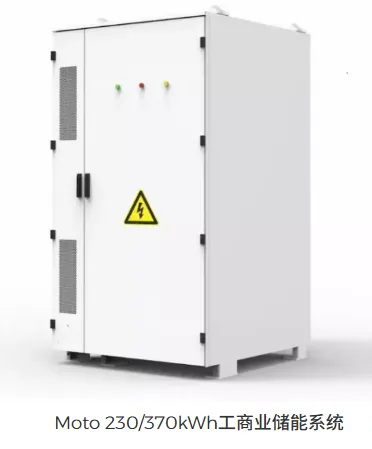
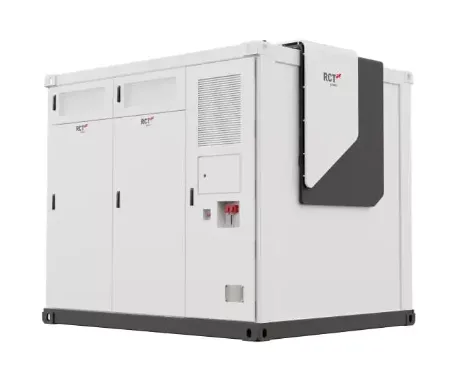
An energy storage cabinet is a self-contained battery energy storage system that integrates battery modules, a battery management system, a power conversion system, thermal management equipment, fire protection interfaces, and an enclosure into a single outdoor or indoor unit. It is commonly used for commercial and industrial peak shaving, demand charge management, renewable energy integration, backup power, and microgrid support. A typical energy storage cabinet uses lithium iron phosphate battery chemistry, with rated capacities commonly ranging from about 100 kWh to several hundred kWh per cabinet. The power conversion system may be integrated inside the cabinet or connected externally, depending on the system architecture. The battery management system monitors cell voltage, temperature, state of charge, and insulation condition, while the energy management system coordinates charging and discharging strategies. Thermal management is usually provided by air cooling or liquid cooling. Liquid cooling helps maintain more uniform cell temperature and can support longer cycle life under high utilization. Enclosure protection is typically IP54 or higher, with higher ratings such as IP55 or IP65 used for outdoor, coastal, or harsh environments. Fire safety design generally includes smoke or gas detection, thermal monitoring, ventilation, aerosol or gas suppression, and explosion relief. Relevant standards may include IEC 62619 for battery safety, IEC 62933 for electrical energy storage systems, UL 1973 and UL 9540 for stationary storage applications, and local grid interconnection requirements. Key technical parameters include rated energy capacity, rated power, DC voltage range, AC voltage and frequency, round-trip efficiency, cycle life, depth of discharge, operating temperature range, cooling method, enclosure rating, communication protocol, and protection functions. Proper site planning should consider foundation loading, cable routing, ventilation clearance, noise control, grounding, and maintenance access. Keywords: energy storage cabinet, battery energy storage cabinet, BESS cabinet, commercial energy storage cabinet, industrial energy storage cabinet
China XINYA Power Cables Co., Ltd Email: [email protected] Email: [email protected] whatsapp: +86 15289885778 Website: https://www.esspow.com