Energy Storage System: Technical Overview for BESS Integration
energy storage system, battery energy storage system, BESS integration, ESS components, industrial energy storage system
By Xinya Power editorial team
Energy Storage System: Technical Overview for BESS Integration
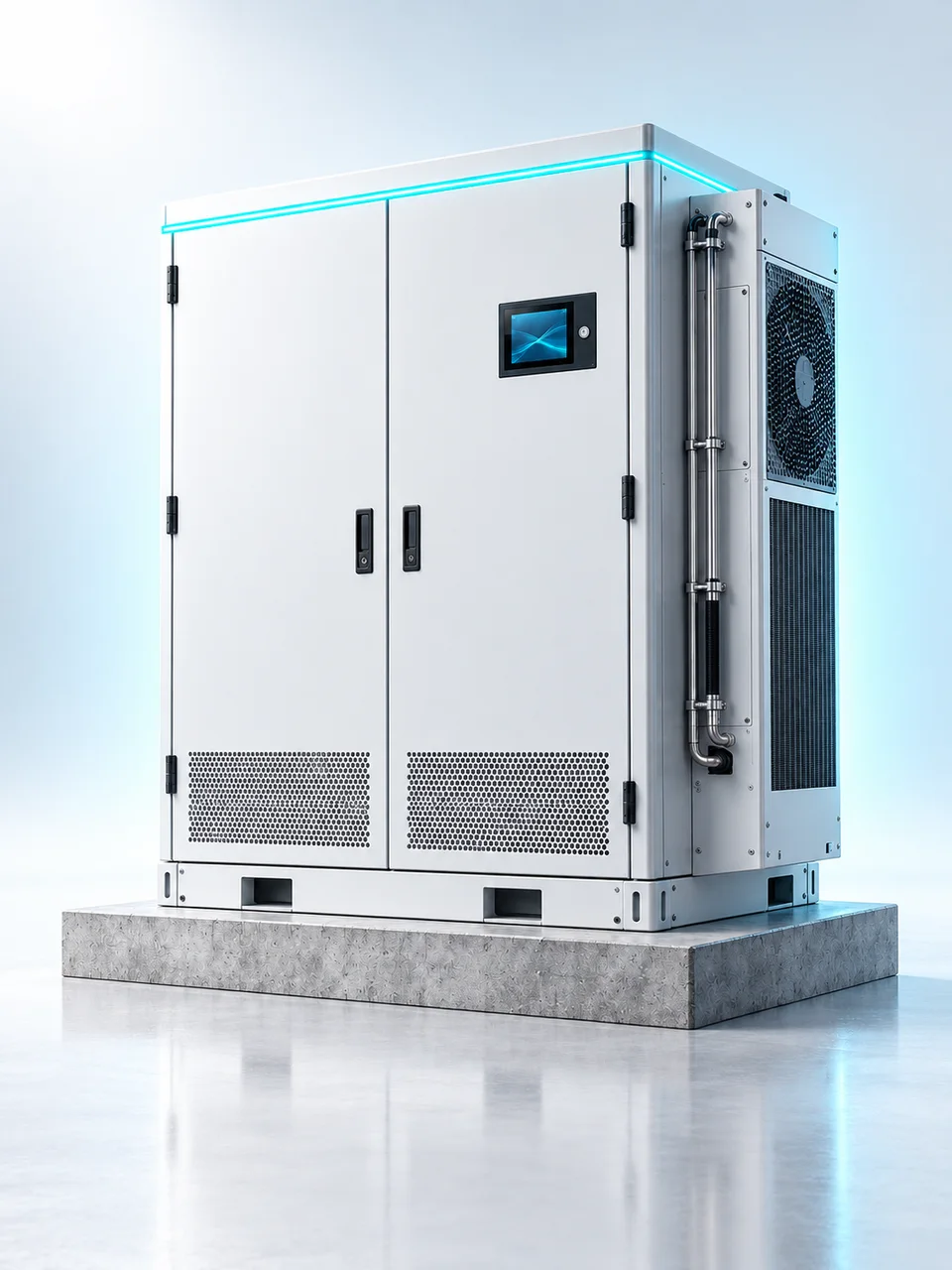
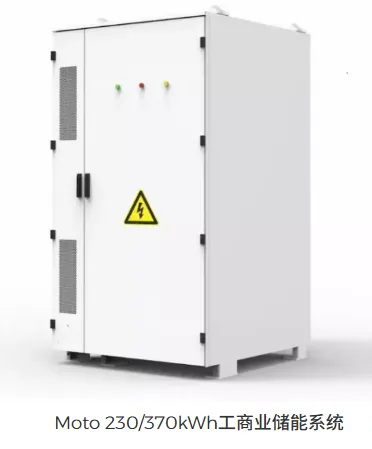
An energy storage system stores electrical energy and releases it on demand. In electrochemical applications, a battery energy storage system converts electricity into chemical energy during charging and converts it back into AC power during discharging. The system is typically composed of battery modules, a battery management system, a power conversion system, an energy management system, thermal management, fire protection, and auxiliary electrical equipment. Battery modules form the energy storage medium, while the BMS monitors cell voltage, current, temperature, SOC, and SOH, and provides overcharge, over-discharge, overcurrent, and thermal protection. The PCS converts DC power from the battery into grid-compatible AC power and controls charge and discharge power under EMS dispatch. The EMS collects data from the BMS, PCS, meters, and auxiliary systems, and executes operating strategies such as peak shaving, PV self-consumption, demand charge management, backup power, and grid support. Modern BESS products are commonly delivered as rack-mounted cabinets, outdoor cabinets, or containerized stations. Integration quality depends on electrical layout, thermal management, protection coordination, communication reliability, and maintainability. Liquid cooling and air cooling are the two mainstream thermal management approaches, with liquid cooling increasingly used in high-density and high C-rate applications. For international projects, energy storage systems may reference UL 9540 for system-level safety, UL 9540A for thermal runaway fire propagation assessment, IEC 62933 for grid-integrated electrical energy storage systems, IEC 62619 for industrial lithium battery safety, and NFPA 855 for stationary energy storage installation. Product evaluation should consider battery chemistry, energy capacity, power rating, round-trip efficiency, cycle life, communication protocols, protection logic, enclosure rating, cooling method, and compatibility with PCS, transformer, and site EMS.
China XINYA Power Cables Co., Ltd Email: [email protected] whatsapp: +86 15289885778 Website: https://www.esspow.com