Energy Storage System: Technical Overview for Grid, Industrial, and Commercial Applications
energy storage system, ESS, battery energy storage system, BESS, industrial energy storage system
By Xinya Power editorial team
Energy Storage System: Technical Overview for Grid, Industrial, and Commercial Applications
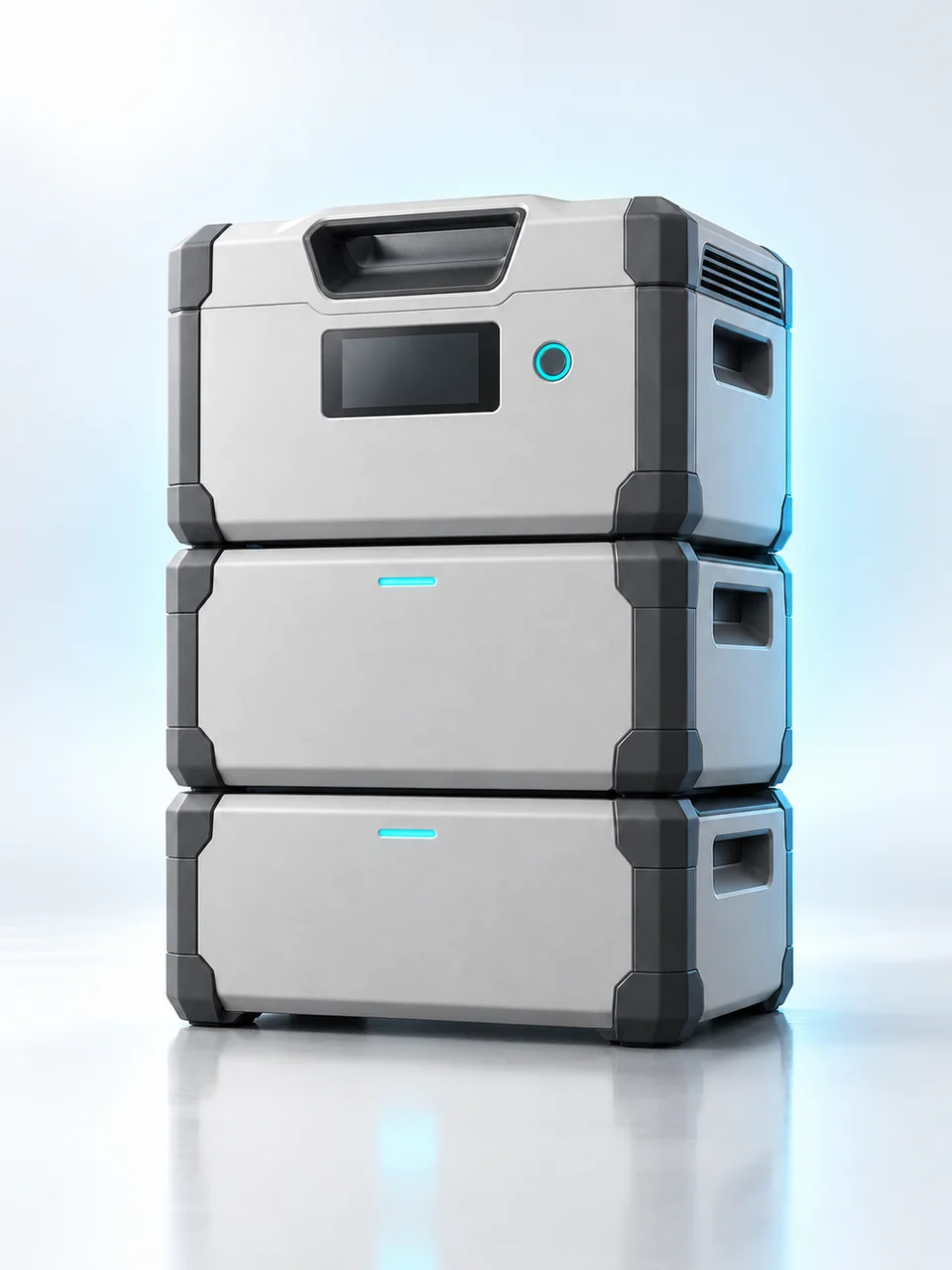
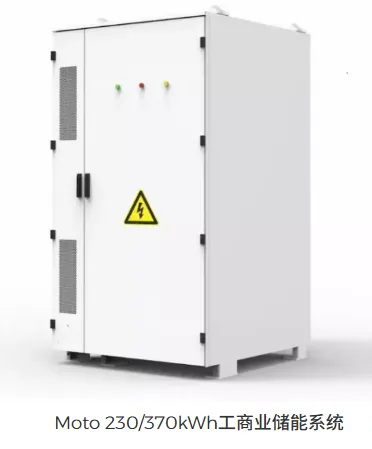
An energy storage system stores electrical energy and releases it when required to support grid operation, load management, renewable energy integration, and backup power supply. Battery-based energy storage systems are currently the most widely deployed form, especially for commercial, industrial, utility, and microgrid applications. A typical energy storage system consists of battery modules or racks, a battery management system, a power conversion system, an energy management system, thermal management equipment, fire protection interfaces, and an enclosure or container structure. The battery stores energy in chemical form, usually using lithium-ion or other electrochemical chemistries. The battery management system monitors voltage, current, temperature, state of charge, and state of health to maintain safe operation. The power conversion system converts DC power from the battery into AC power for the grid or local loads, and can also convert AC to DC during charging. The energy management system coordinates charging and discharging strategies based on load profiles, electricity pricing, renewable generation, and grid dispatch signals. Common applications include peak shaving, frequency regulation, renewable energy smoothing, demand charge management, microgrid support, and backup power. Frequency regulation requires fast response capability, while peak shaving and energy shifting depend more on usable capacity, cycle life, and round-trip efficiency. Key technical parameters include rated energy capacity, rated power, DC voltage range, AC voltage and frequency, round-trip efficiency, cycle life, depth of discharge, response time, operating temperature range, cooling method, enclosure rating, and communication protocol. System design should consider applicable standards such as IEC 62933 for electrical energy storage systems, IEC 62619 for industrial lithium battery safety, UL 1973 and UL 9540 for stationary storage applications, and local grid interconnection requirements. Proper integration requires coordination among electrical design, protection settings, thermal management, fire safety, site conditions, and commissioning procedures. Routine monitoring of battery health, thermal performance, insulation condition, and safety systems supports stable long-term operation. Keywords: energy storage system, ESS, battery energy storage system, BESS, industrial energy storage system
China XINYA Power Cables Co., Ltd Email: [email protected] whatsapp: +86 15289885778 Website: https://www.esspow.com