ESS Fire Suppression System: Technical Overview for Battery Energy Storage
ESS fire suppression system, battery energy storage fire suppression, BESS fire protection, thermal runaway suppression, UL 9540A fire safety
By Xinya Power editorial team
ESS Fire Suppression System: Technical Overview for Battery Energy Storage
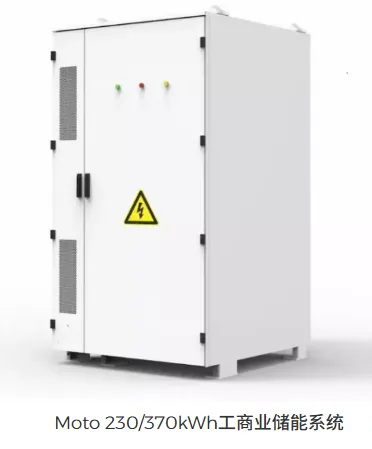
An ESS fire suppression system is a fixed automatic fire protection system designed to detect, suppress, and contain thermal runaway and fire events in battery energy storage systems. It is typically installed inside battery racks, battery cabinets, containerized BESS enclosures, and energy storage power stations. Lithium-ion battery fires differ from conventional fires because they may involve thermal runaway, flammable electrolyte decomposition, combustible gas release, and re-ignition risk after initial suppression. Therefore, ESS fire protection is generally designed as a multi-layer system rather than a single extinguishing device. Common suppression agents include clean gas agents such as perfluorohexone and heptafluoropropane, aerosol systems, water mist, and external water-based cooling for fire service intervention. Clean gas systems are often used for early-stage suppression inside enclosed battery compartments, while aerosol systems provide compact total-flooding protection. Water or water mist is frequently applied for cooling, containment, and firefighter support, especially in outdoor containerized installations. Detection is a critical part of the system. ESS fire suppression typically integrates smoke detection, heat detection, flame detection, and combustible gas detection for hydrogen, carbon monoxide, or VOCs. When a fault is detected, the system may activate suppression, shut down the PCS, open or close ventilation, and send alarms to the BMS, EMS, and remote monitoring platform. System design should consider battery chemistry, enclosure volume, ventilation strategy, gas accumulation risk, deflagration venting, suppression agent capacity, re-ignition control, maintenance access, and coordination with local fire authorities. For international projects, ESS fire suppression design may reference NFPA 855 for stationary energy storage system installation, UL 9540 for ESS product safety, UL 9540A for thermal runaway fire propagation testing, NFPA 2001 for clean agent systems, and NFPA 2010 for aerosol systems.
China XINYA Power Cables Co., Ltd Email: [email protected] whatsapp: +86 15289885778 Website: https://www.esspow.com