High Voltage Cable: Technical Overview for Power Transmission
high voltage cable, HV XLPE cable, IEC 60840 high voltage cable, IEC 62067 cable, high voltage power cable
By Xinya Power editorial team
High Voltage Cable: Technical Overview for Power Transmission
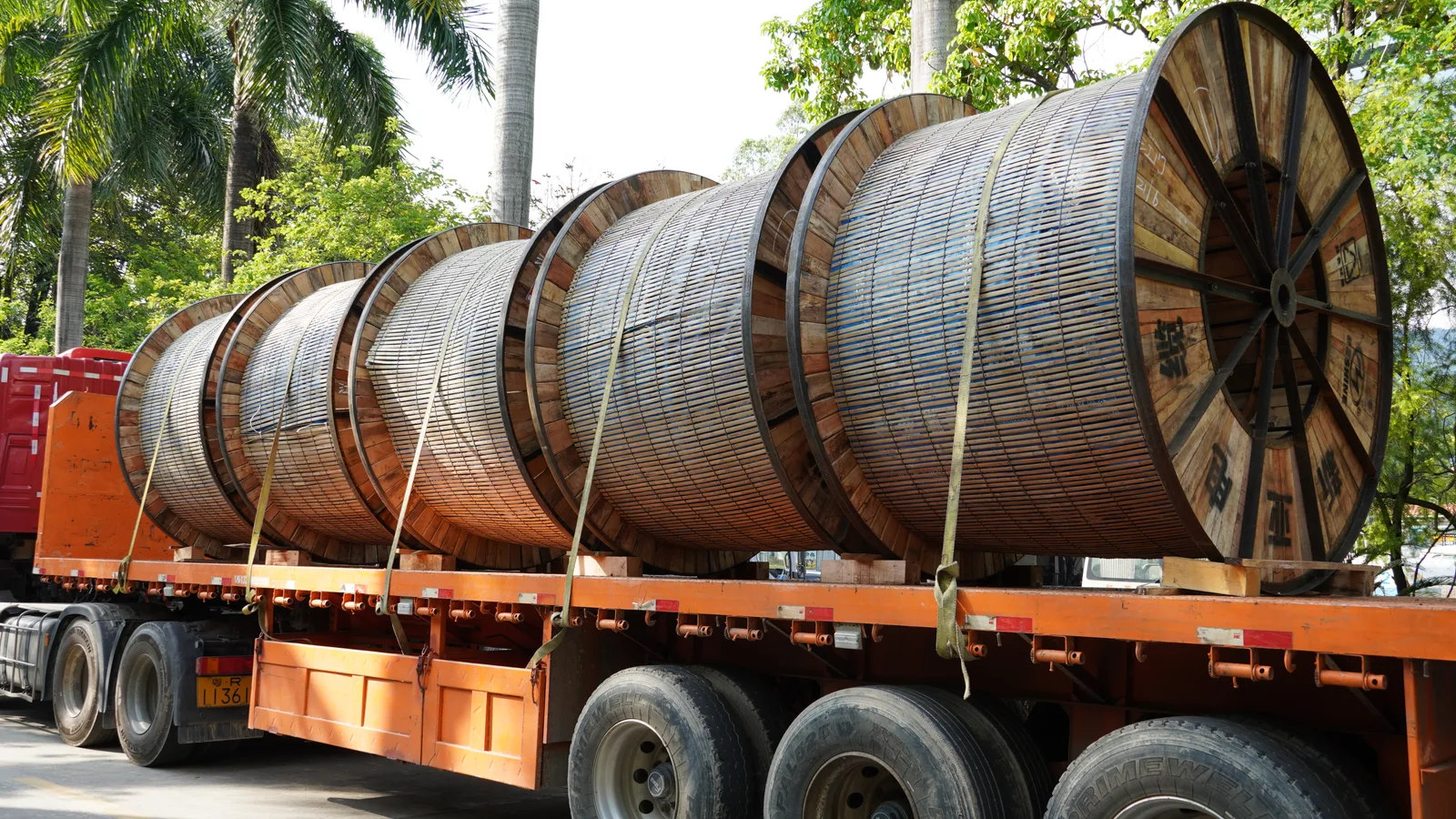
High voltage cable is engineered for power transmission at voltage levels typically from 66 kV to 500 kV and above. It is widely used in utility transmission networks, substation interconnections, underground and submarine transmission routes, long-distance power supply, and large-scale renewable energy integration. Typical constructions use compacted copper or aluminum conductors with XLPE insulation, conductor screens, insulation screens, metallic screens, and robust outer sheaths. High voltage cable design requires strict control of insulation purity, screen smoothness, partial discharge performance, and mechanical protection to ensure reliable long-term operation under continuous electrical stress. Key selection parameters include rated voltage, conductor cross-section, number of phases, insulation thickness, metallic screen design, installation method, short-circuit rating, bending radius, thermal resistance, and environmental conditions. For international projects, high voltage cables may reference IEC 60840, IEC 62067, IEC 60228, IEC 60332, and applicable utility specifications. Manufacturers typically support type tests, pre-qualification tests, routine tests, partial discharge tests, dielectric tests, factory acceptance tests, and third-party certification. Jointing, termination, and installation must follow qualified procedures to maintain system integrity.
China XINYA Power Cables Co., Ltd Email: [email protected] Email: [email protected] whatsapp: +86 15289885778 Website: https://www.power-cables.com