LFP vs NMC Battery for Solar Storage: Which Chemistry Fits Your ESS Project?
LFP vs NMC battery for solar storage, LiFePO4 vs NMC solar battery, LFP battery for home energy storage, LFP solar storage manufacturer, IEC 62619 UL 1973 LFP ESS factory
By Xinya Power editorial team
LFP vs NMC Battery for Solar Storage: Which Chemistry Fits Your ESS Project?
Choosing the right battery chemistry is critical for solar storage system performance and project ROI. LFP and NMC are two mainstream lithium-ion options, but they serve different priorities.
LFP batteries offer superior thermal stability, with a thermal runaway threshold around 270°C compared to approximately 210°C for NMC, making them inherently safer for residential and commercial installations. LFP also delivers a significantly longer cycle life, typically 3,000–7,000 cycles versus 1,000–2,000 for NMC, resulting in a lower levelized cost of storage over the system lifetime. NMC batteries provide higher energy density, which benefits space-constrained mobile applications, but this advantage is less critical for stationary solar storage where safety and longevity take priority.
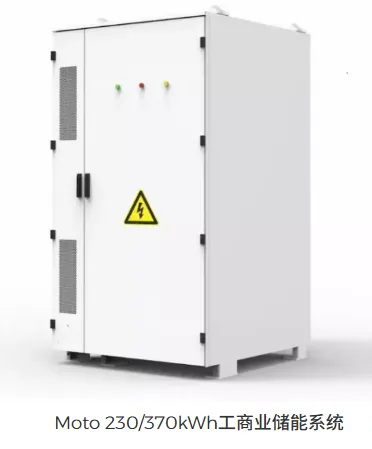
Our factory specializes in LFP-based solar storage systems, including residential, C&I, and utility-scale solutions. All products comply with IEC 62619, IEC 62933, UL 1973, UL 9540, and CE standards, with full BMS integration, OEM/ODM support, and reliable factory-direct supply for global distributors and EPC partners.
LFP vs NMC battery for solar storage, LiFePO4 vs NMC solar battery, LFP battery for home energy storage, LFP solar storage manufacturer, IEC 62619 UL 1973 LFP ESS factory
Ms. Momo China XINYA ESSPOW Co., Ltd Email: [email protected] whatsapp: +86 15289885778 https://www.esspow.com