LiFePO4 (LFP) Battery vs NMC Battery: Factory Guide for Energy Storage Applications
LiFePO4 LFP battery, NMC battery manufacturer, LFP vs NMC energy storage, IEC 62619 certified lithium battery, stationary storage LFP battery OEM
By Xinya Power editorial team
LiFePO4 (LFP) Battery vs NMC Battery: Factory Guide for Energy Storage Applications
Lithium iron phosphate (LFP) and nickel manganese cobalt (NMC) are the two dominant chemistries in stationary energy storage. LFP batteries offer superior thermal stability, longer cycle life (4000–8000+ cycles), and enhanced safety, making them the preferred choice for residential, C&I, and utility-scale ESS. NMC batteries deliver higher energy density (150–250 Wh/kg vs 90–160 Wh/kg for LFP), making them suitable for space-constrained applications and mobile storage.
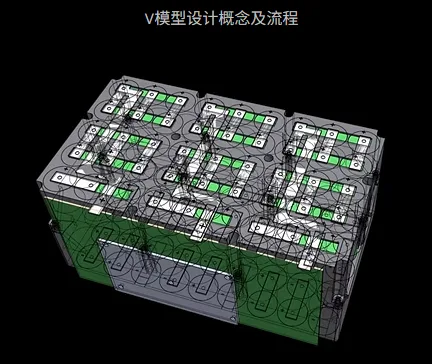
Our factory manufactures both LFP and NMC battery modules and packs from 12V to 1500V platforms, with capacities from 10Ah to multi-MWh configurations. Each unit integrates a certified BMS for cell balancing, overcharge/overdischarge protection, and thermal monitoring. All products comply with IEC 62619, UL 1973, UN38.3, and CE standards, with full factory testing and traceable documentation.
For stationary energy storage projects, we recommend LFP chemistry for its longer cycle life, lower degradation, and enhanced safety profile. NMC remains available for applications requiring compact footprint and high energy density. OEM/ODM customization covers voltage, capacity, enclosure, and communication protocols.
LiFePO4 LFP battery, NMC battery manufacturer, LFP vs NMC energy storage, IEC 62619 certified lithium battery, stationary storage LFP battery OEM
Ms. Momo China XINYA ESSPOW Co., Ltd Email: [email protected] whatsapp: +86 15289885778 https://www.esspow.com