Low-Voltage and Medium-Voltage Cables: Technical Overview for Power Distribution
low-voltage and medium-voltage cables, LV MV power cable, IEC 60502 cable, XLPE distribution cable, armored power cable
By Xinya Power editorial team
Low-Voltage and Medium-Voltage Cables: Technical Overview for Power Distribution
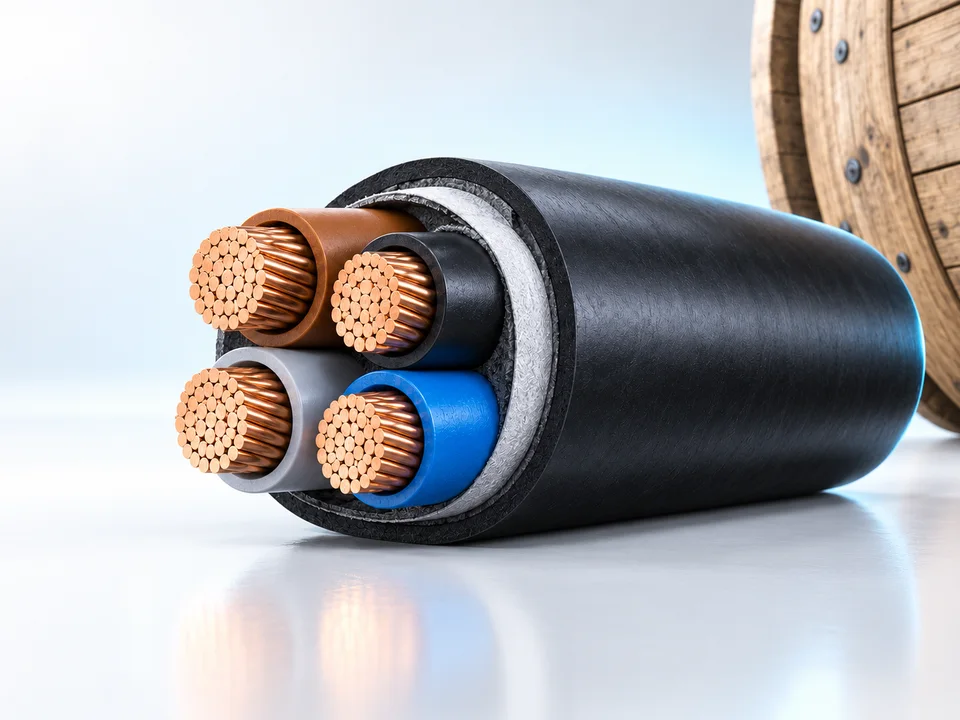
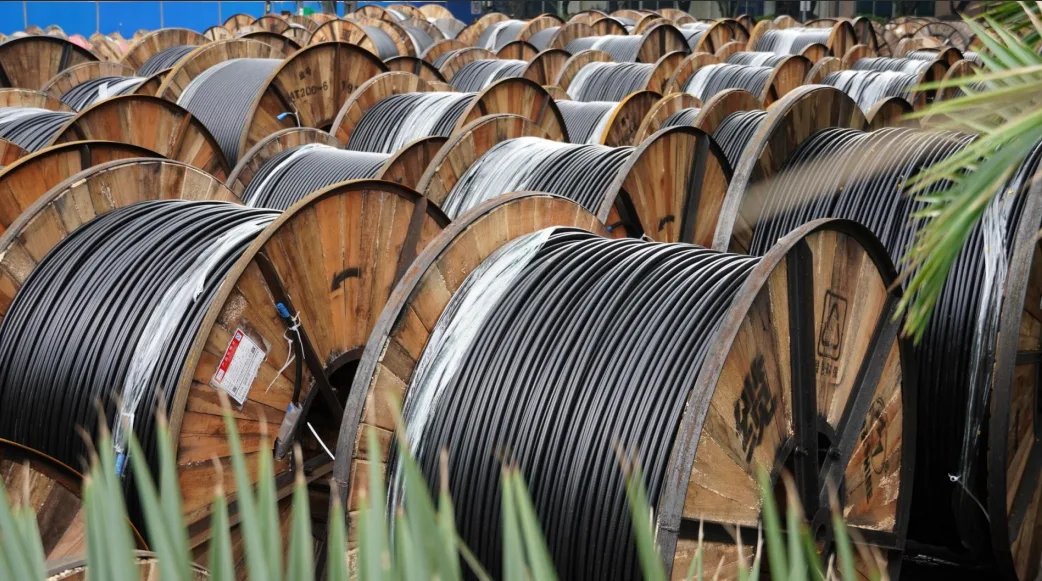
Low-voltage and medium-voltage cables form the backbone of electrical distribution networks, serving industrial facilities, commercial buildings, substations, infrastructure projects, and renewable energy plants. These cables transmit electrical power from generation sources to end-user equipment and distribution panels. Low-voltage cables typically operate at voltages up to 1,000 V AC and are used for building wiring, motor circuits, cable tray installations, and indoor/outdoor distribution. Medium-voltage cables generally cover voltage ranges from 3.6 kV to 36 kV and are commonly deployed in utility distribution networks, substation interconnections, underground feeder systems, and industrial power supply. Both categories commonly use copper or aluminum conductors with XLPE or PVC insulation. MV cables typically incorporate conductor and insulation screens to control electric field distribution, while LV cables may be unarmored or armored with steel tape or steel wire depending on mechanical protection requirements. Key selection parameters include rated voltage, conductor material and cross-section, number of cores, insulation type, armor type, sheath compound, fire performance, bending radius, and short-circuit rating. For international projects, these cables may reference IEC 60502, IEC 60228, IEC 60332, IEC 60754, and applicable local electrical standards. Keywords: low-voltage and medium-voltage cables, LV MV power cable, IEC 60502 cable, XLPE distribution cable, armored power cable
China XINYA Power Cables Co., Ltd Email: [email protected] Email: [email protected] whatsapp: +86 15289885778 Website: https://www.power-cables.com