Portable Power Solutions: Technical Overview for Mobile and Off-Grid Energy
portable power solutions, portable power station, mobile energy storage, outdoor battery power supply, lithium battery power station Portable Power Solutions: Technical Over
By Xinya Power editorial team
Portable Power Solutions: Technical Overview for Mobile and Off-Grid Energy
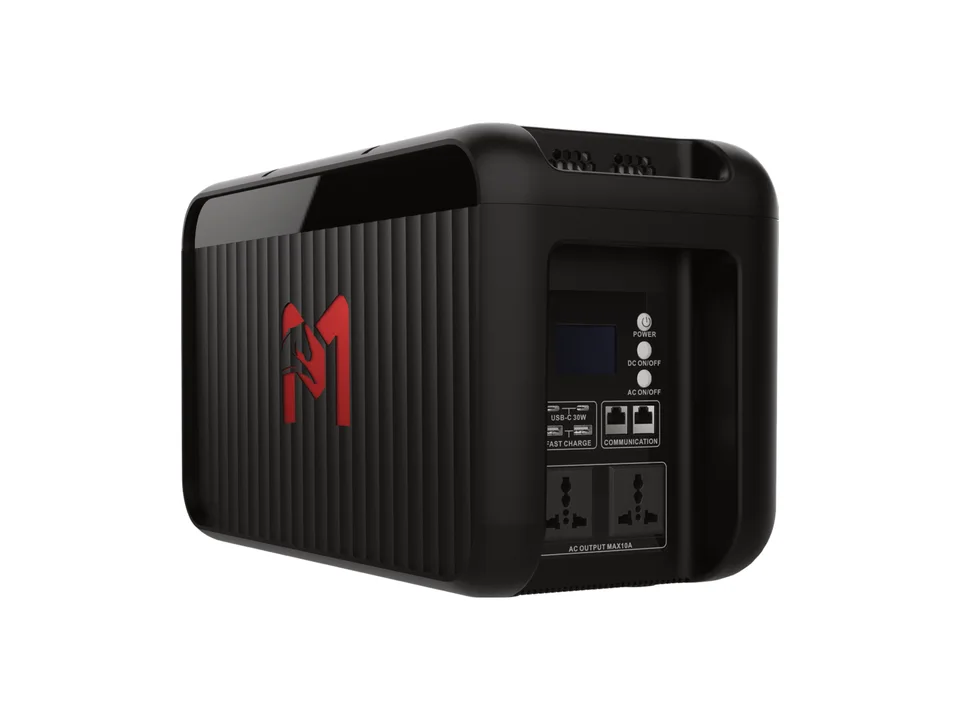
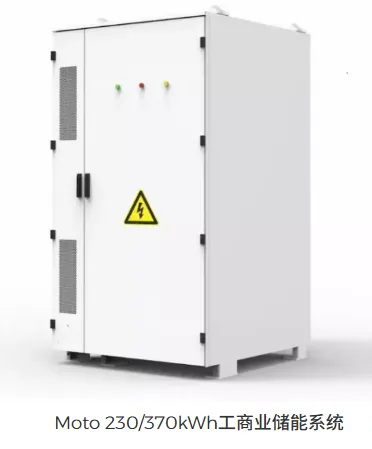
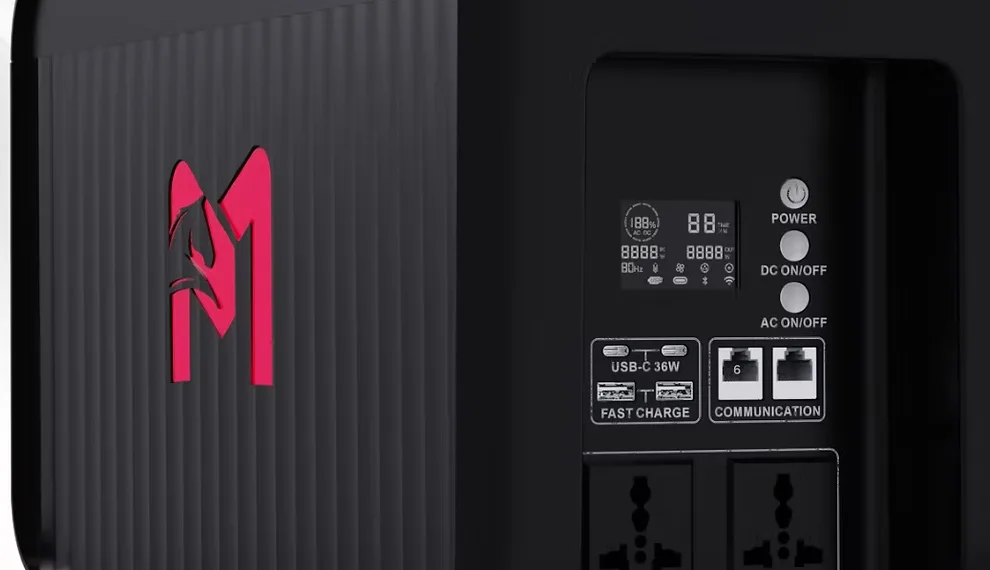
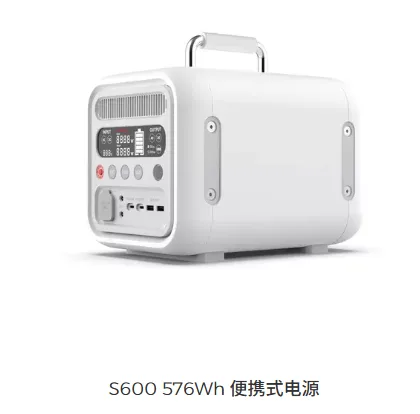
Portable power solutions refer to self-contained battery energy storage products designed for mobile, temporary, and off-grid power supply. Unlike fixed BESS installations, these systems integrate battery modules, a battery management system, an inverter or bidirectional converter, charging circuits, and AC/DC outlets into a single portable unit. Common configurations include handheld power stations, portable power stations, and mobile energy storage units. They are used for outdoor activities, emergency backup, field operations, mobile workshops, temporary event power, disaster relief, and off-grid construction sites. Capacity typically ranges from a few hundred watt-hours to several kilowatt-hours, while continuous output power may range from hundreds of watts to several kilowatts, depending on product design. Most portable power stations use lithium-ion battery chemistry, with lithium iron phosphate increasingly adopted for applications that prioritize cycle life and thermal stability. The BMS provides overcharge, over-discharge, overcurrent, short-circuit, and temperature protection. The inverter converts DC battery power into AC output, while DC outputs such as USB-A, USB-C, and 12 V sockets supply low-voltage loads directly. Charging methods commonly include AC mains charging, vehicle charging, and solar charging. Solar input requires an MPPT controller to improve charging efficiency from portable PV panels. Some systems also support pass-through charging, parallel operation, or external battery expansion. For international projects, portable power products may reference UL 2743 for portable power stations, IEC 62619 for industrial lithium battery safety, UN 38.3 for lithium battery transport, IEC 62368-1 for audio/video and ICT equipment safety, and relevant EMC and radio regulations for inverter and communication circuits. Product evaluation should consider usable capacity, continuous and peak power, output waveform, charging speed, battery chemistry, cycle life, operating temperature range, enclosure protection, and transport compliance.
China XINYA Power Cables Co., Ltd Email: [email protected] whatsapp: +86 15289885778 Website: https://www.esspow.com