Portable Power Station: Technical Overview for Mobile and Off-Grid Power
portable power station, LiFePO4 portable power station, solar portable power station, mobile battery power station, off-grid portable power supply
By Xinya Power editorial team
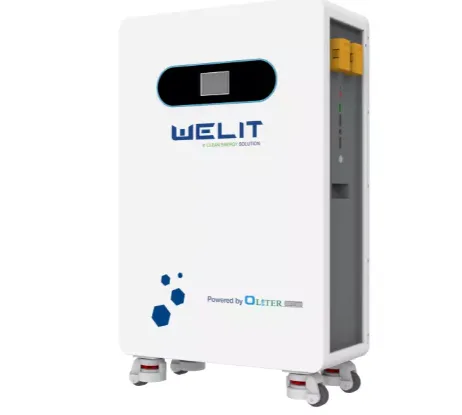
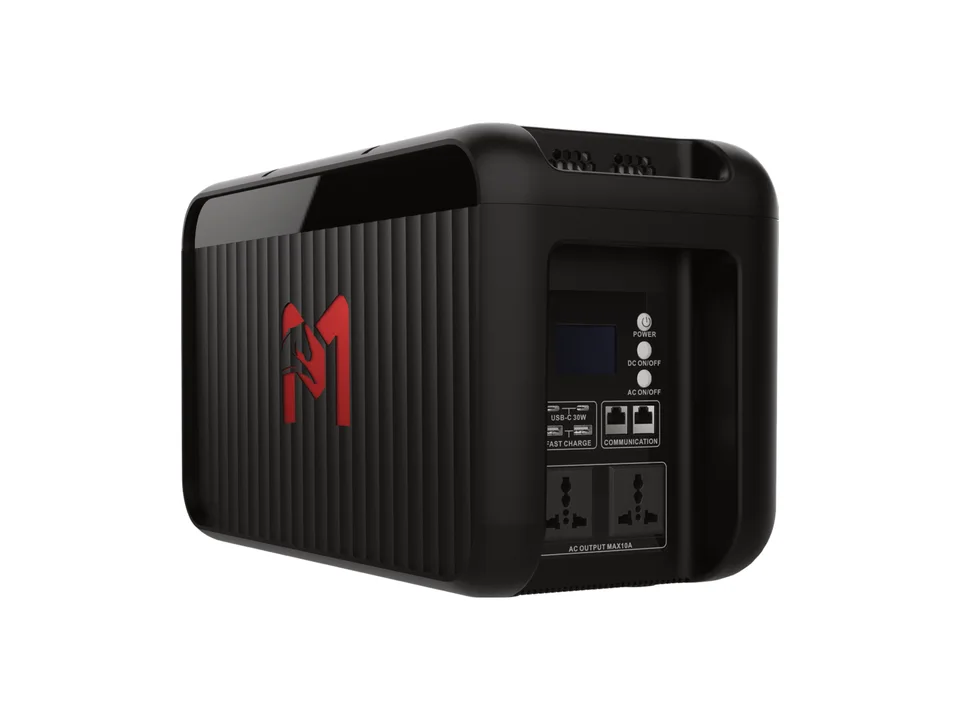
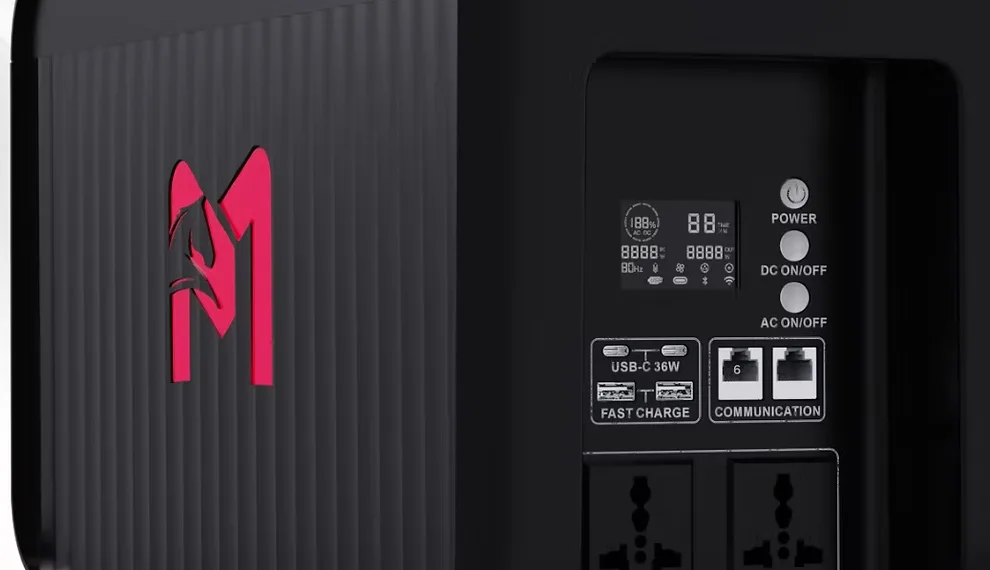
Portable Power Station: Technical Overview for Mobile and Off-Grid Power A portable power station is a self-contained battery energy storage unit that integrates lithium-ion battery packs, a battery management system, a pure sine wave inverter, DC-DC converters, charging controllers, multiple output ports, and a user interface into one transportable enclosure. It stores electricity from AC mains, solar panels, vehicle chargers, or generators, and delivers AC, DC, and USB power for outdoor, mobile, emergency, and off-grid applications. The battery pack is commonly based on lithium iron phosphate chemistry, which provides longer cycle life, stable thermal behavior, and improved safety compared with many cobalt-based lithium-ion chemistries. Typical LFP portable power stations support 2,000 to 4,000 or more charge cycles to 80% capacity retention. Capacity ranges from about 200 Wh for compact units to more than 5,000 Wh for high-capacity models, while AC output power typically spans from 300 W to 3,600 W or higher, with surge capability for motor-driven loads. Key technical parameters include rated energy, AC output power, surge power, inverter waveform, battery chemistry, cycle life, AC and solar input power, charging time, round-trip efficiency, DC and USB output specifications, communication interfaces, and enclosure protection rating. Many units support UPS function, parallel or expandable battery modules, MPPT solar charging, and app-based monitoring. For international projects, portable power stations may reference UL 2743 for portable power packs, UL 2056 for lower-voltage portable battery products, IEC 62619 for industrial lithium battery safety, IEC 62133 for portable secondary cells and batteries, UN 38.3 for transport safety, and FCC or CE requirements for electromagnetic compatibility. Product selection should consider load power, required runtime, solar compatibility, charging speed, port configuration, weight, operating temperature, and applicable safety certifications.
China XINYA Power Cables Co., Ltd Email: [email protected] whatsapp: +86 15289885778 Website: https://www.esspow.com