Power Frequency Voltage Test: Technical Overview for Cable Quality Verification
power frequency voltage test, cable AC voltage test, IEC 60502 routine test, cable insulation test, power cable acceptance test
By Xinya Power editorial team
Power Frequency Voltage Test: Technical Overview for Cable Quality Verification
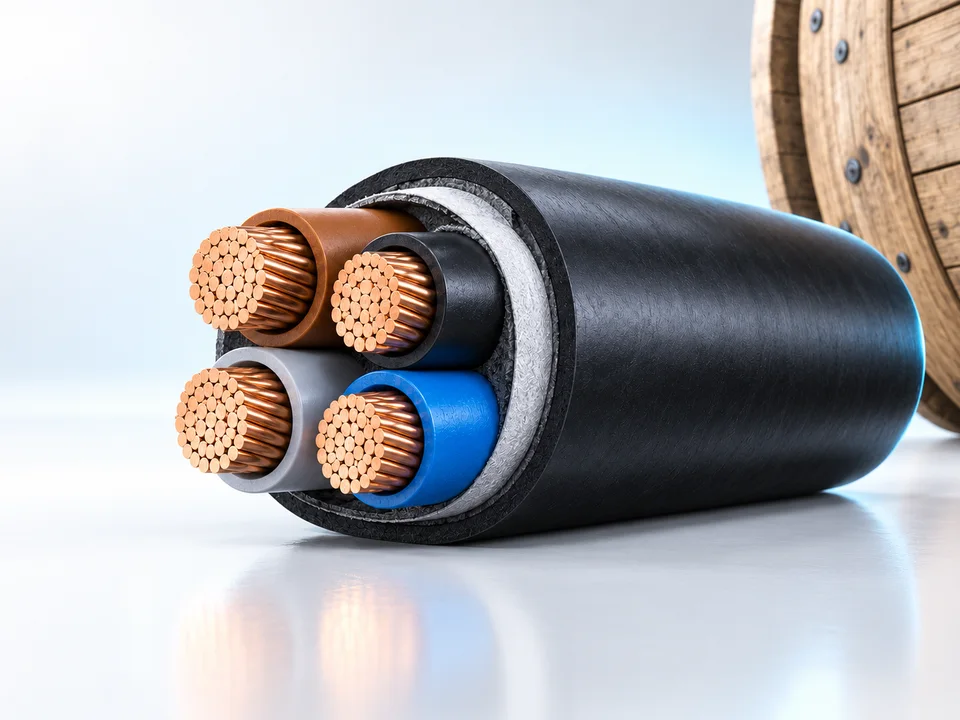
The power frequency voltage test is a standard electrical test applied to power cables to verify the integrity of insulation and workmanship. It is commonly performed as a routine test during manufacturing or as a site acceptance test after installation. The test applies an AC voltage at power frequency (50 Hz or 60 Hz) between the conductor and earth or metallic screen for a specified duration to detect insulation defects, voids, or contamination. For low-voltage cables under IEC 60502-1, the routine test typically involves applying a specified AC voltage for 5 minutes. For medium-voltage cables under IEC 60502-2, higher test voltages are applied according to the rated voltage U0/U. The test voltage level and duration are defined by the applicable product standard and must not exceed the limits specified for the cable type. Key parameters include test voltage magnitude, frequency, duration, test method (immersion or spark testing), and acceptance criteria. The power frequency voltage test differs from the partial discharge test, which detects localized insulation weaknesses, and from the DC high-voltage test, which is less commonly used for extruded insulation cables due to potential space charge effects. Manufacturers typically perform this test on every cable length before delivery, with results recorded in test certificates. For site testing, IEC 60502 and IEC 60840 provide guidance on acceptable test procedures after cable installation and jointing.
China XINYA Power Cables Co., Ltd Email: [email protected] Email: [email protected] whatsapp: +86 15289885778 Website: https://www.power-cables.com