PV Cable / Solar Cable: Technical Overview for Photovoltaic Systems
PV cable, solar cable, EN 50618 PV cable, IEC 62930 solar cable, DC 1500V PV cable
By Xinya Power editorial team
PV Cable / Solar Cable: Technical Overview for Photovoltaic Systems
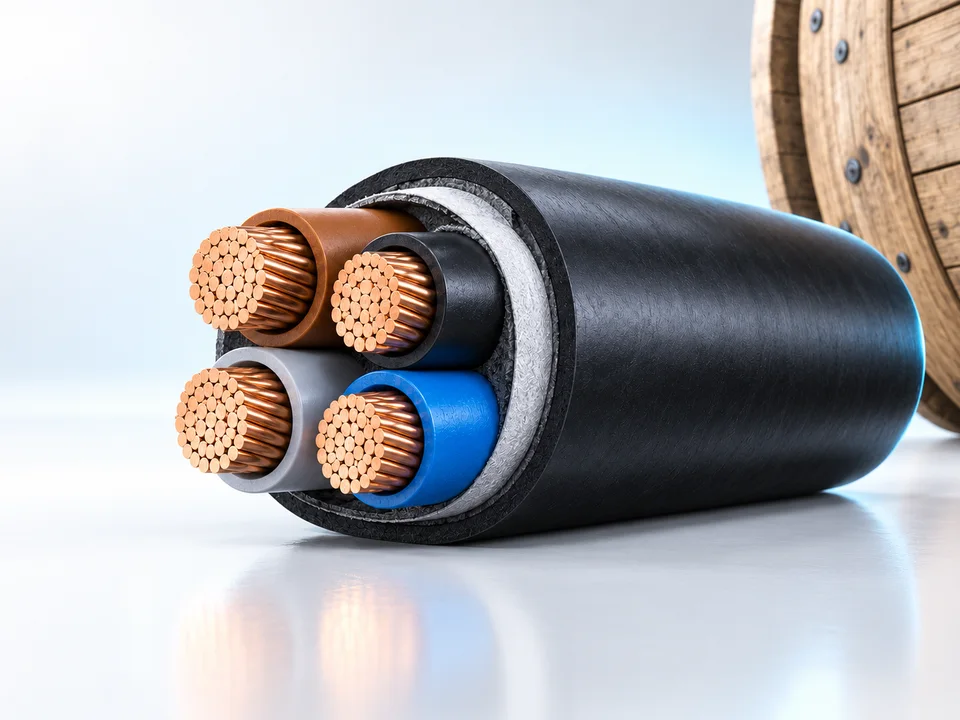
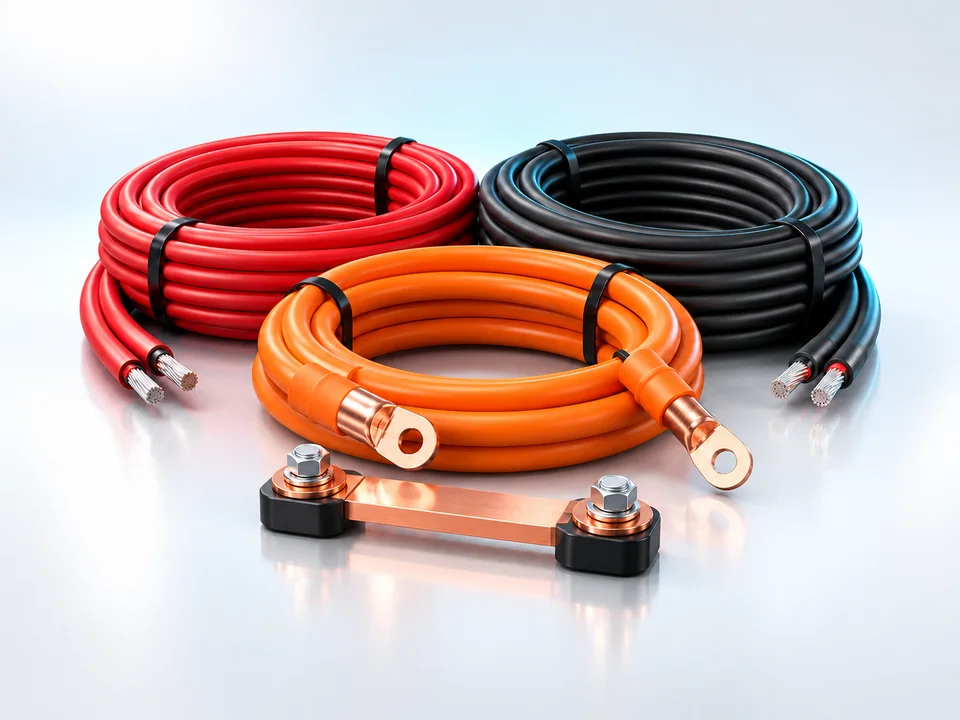
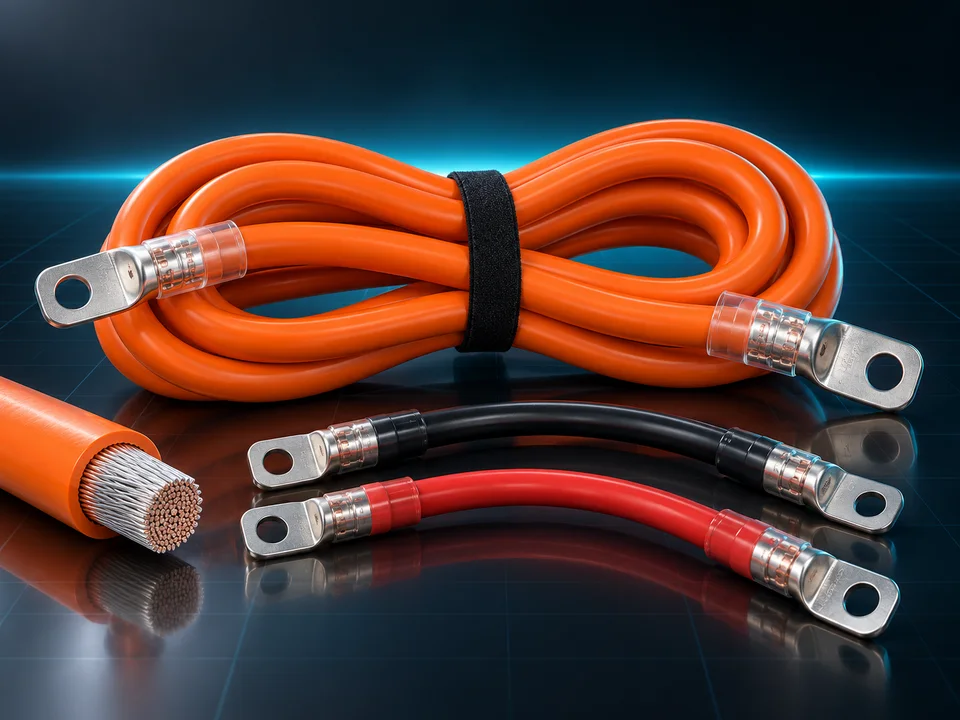
PV cable, also known as solar cable, is designed for the DC side of photovoltaic systems, connecting solar modules, combiner boxes, inverters, and other balance-of-system equipment. It is widely used in rooftop solar installations, ground-mounted solar farms, distributed PV systems, and utility-scale renewable energy projects. Typical constructions use stranded tinned copper conductors with cross-linked, halogen-free insulation and sheaths. This provides flexibility, UV resistance, ozone resistance, weather resistance, and long-term outdoor durability. PV cable is commonly rated for DC 1,000 V or DC 1,500 V systems, with a conductor temperature rating up to 90 °C or 120 °C depending on design. Key selection parameters include rated voltage, conductor cross-section, insulation and sheath material, temperature range, UV and weather resistance, flame retardancy, bending radius, and installation method. For international projects, PV cable may reference EN 50618, IEC 62930, TÜV 2 PfG 1169, UL 4703, IEC 60228, IEC 60332, IEC 60754, and IEC 61034. Manufacturers typically support type tests, UV aging tests, thermal endurance tests, flame propagation tests, halogen-free verification, smoke density tests, and third-party certification. Product selection should be matched to system voltage, environmental exposure, and local PV installation requirements.
China XINYA Power Cables Co., Ltd Email: [email protected] Email: [email protected] whatsapp: +86 15289885778 Website: https://www.power-cables.com