Rated Voltage: Technical Overview for Power Cable Selection
rated voltage, cable rated voltage U0/U Um, IEC 60502 rated voltage, power cable voltage rating, medium voltage cable rated voltage
By Xinya Power editorial team
Rated Voltage: Technical Overview for Power Cable Selection
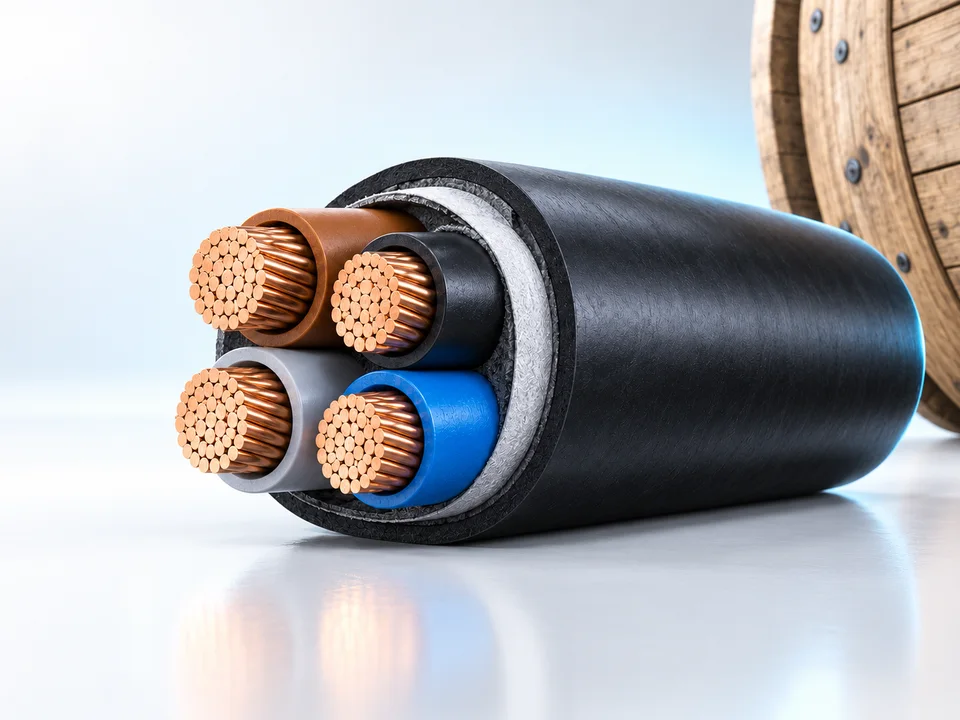
Rated voltage defines the electrical stress level for which a power cable is designed and tested. In IEC-based specifications, it is expressed as U0/U (Um), where U0 is the rated voltage between conductor and earth or metallic screen, U is the rated voltage between conductors, and Um is the maximum value of the highest system voltage for which the equipment may be used. Correct voltage selection ensures that insulation thickness, electric field distribution, partial discharge behaviour, and high-voltage test conditions are appropriate for the installation. For example, IEC 60502-1 covers cables for rated voltages of 1 kV (Um = 1.2 kV) and 3 kV (Um = 3.6 kV), while IEC 60502-2 covers cables from 6 kV (Um = 7.2 kV) up to 30 kV (Um = 36 kV). Key selection parameters include system nominal voltage, earthing arrangement, fault clearance time, installation environment, insulation material, screening requirements, and applicable project standards. Rated voltage must not be confused with voltage drop, which depends on conductor size, length, load current, and impedance. Manufacturers typically support type tests, routine voltage tests, partial discharge tests, insulation resistance tests, and third-party certification. Cable rated voltage should be confirmed against system design, local regulations, and the relevant IEC, NEC, or utility specifications.
China XINYA Power Cables Co., Ltd Email: [email protected] Email: [email protected] whatsapp: +86 15289885778 Website: https://www.power-cables.com