Residential Energy Solutions: Technical Overview for Home Energy Systems
residential energy solutions, home energy storage system, residential solar storage, hybrid inverter system, household battery energy storage
By Xinya Power editorial team
Residential Energy Solutions: Technical Overview for Home Energy Systems
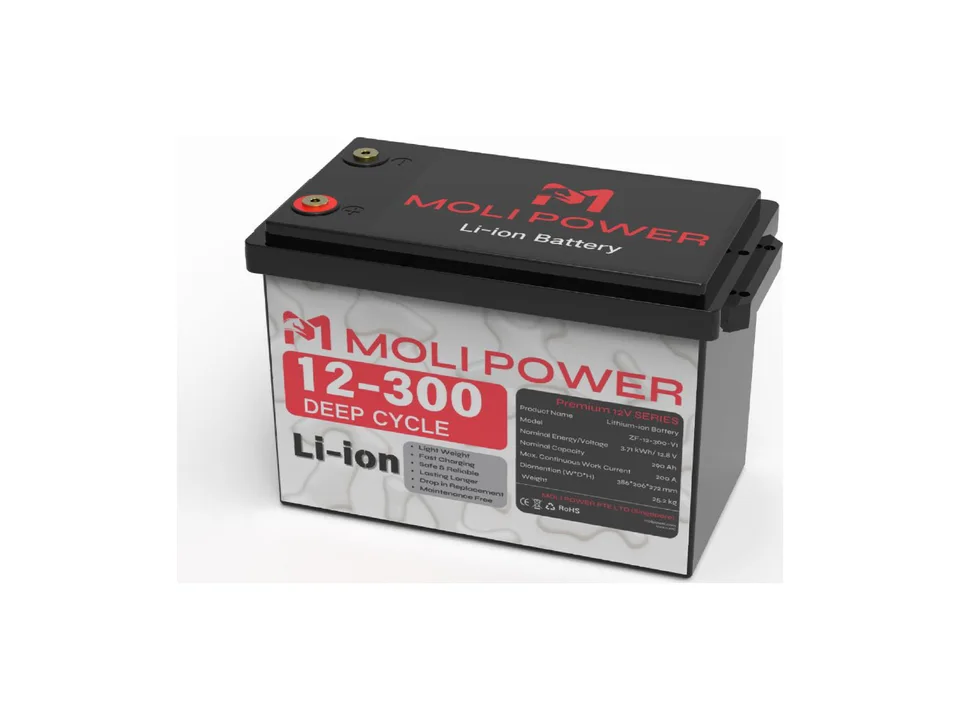
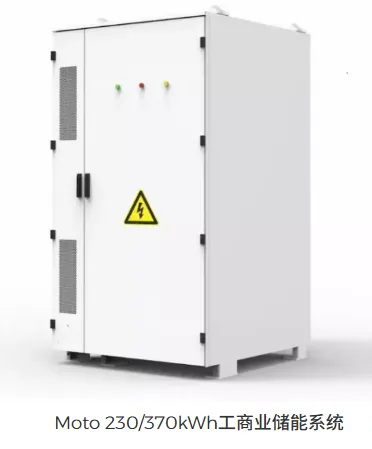
Residential energy solutions integrate rooftop photovoltaic generation, battery storage, hybrid inverters, and home energy management into a single controllable system. These solutions are typically installed at single-family homes, multi-family buildings, small commercial properties, and off-grid or weak-grid locations. A typical residential system consists of PV modules, a hybrid inverter, lithium-ion battery modules, a battery management system, an energy management system, and optional backup switching equipment. During the day, PV generation supplies household loads first. Surplus energy charges the battery instead of being exported immediately. When PV generation is insufficient, the battery discharges to reduce grid consumption. If the grid fails, the system can disconnect from the utility and continue supplying selected loads in backup mode. Systems can be configured as DC-coupled or AC-coupled. DC-coupled architectures connect PV and battery on the DC side of the inverter, which can improve conversion efficiency for new installations. AC-coupled architectures connect storage on the AC side, making them suitable for retrofitting existing PV systems. Battery capacity is commonly scaled in modular blocks, allowing installers to match system size to household load profiles, PV capacity, and backup requirements. Modern residential systems increasingly include smart energy management functions. These systems can respond to time-of-use tariffs, PV generation forecasts, household load patterns, and grid signals. Some designs also support EV charging integration, heat pump coordination, generator backup, and virtual power plant participation. For international projects, residential energy storage products may reference UL 9540 for system safety, UL 9540A for thermal runaway fire propagation assessment, IEC 62619 for stationary lithium battery safety, UL 1741 for inverter interconnection, and local grid connection requirements. Product selection should consider usable energy capacity, continuous and peak power, backup capability, communication protocol, enclosure rating, installation environment, and compatibility with existing PV and electrical infrastructure.
China XINYA Power Cables Co., Ltd Email: [email protected] whatsapp: +86 15289885778 Website: https://www.esspow.com