Rubber Sheathed Cable: Technical Overview for Flexible Power Applications
rubber sheathed cable, flexible rubber cable, IEC 60245 rubber cable, heavy duty rubber cable, elastomer sheathed cable
By Xinya Power editorial team
Rubber Sheathed Cable: Technical Overview for Flexible Power Applications
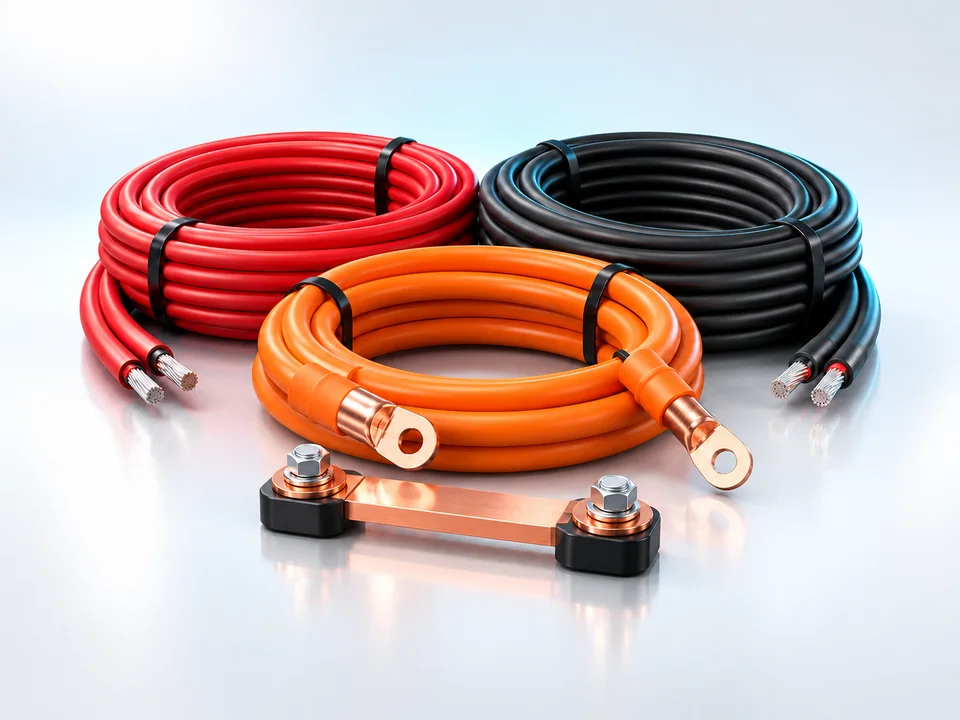
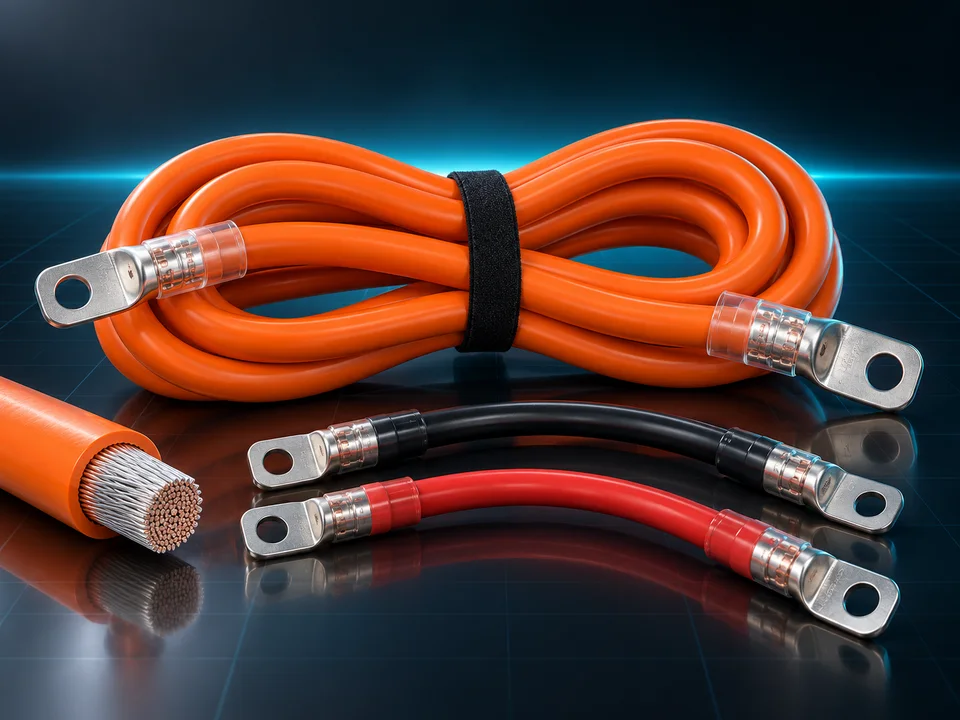
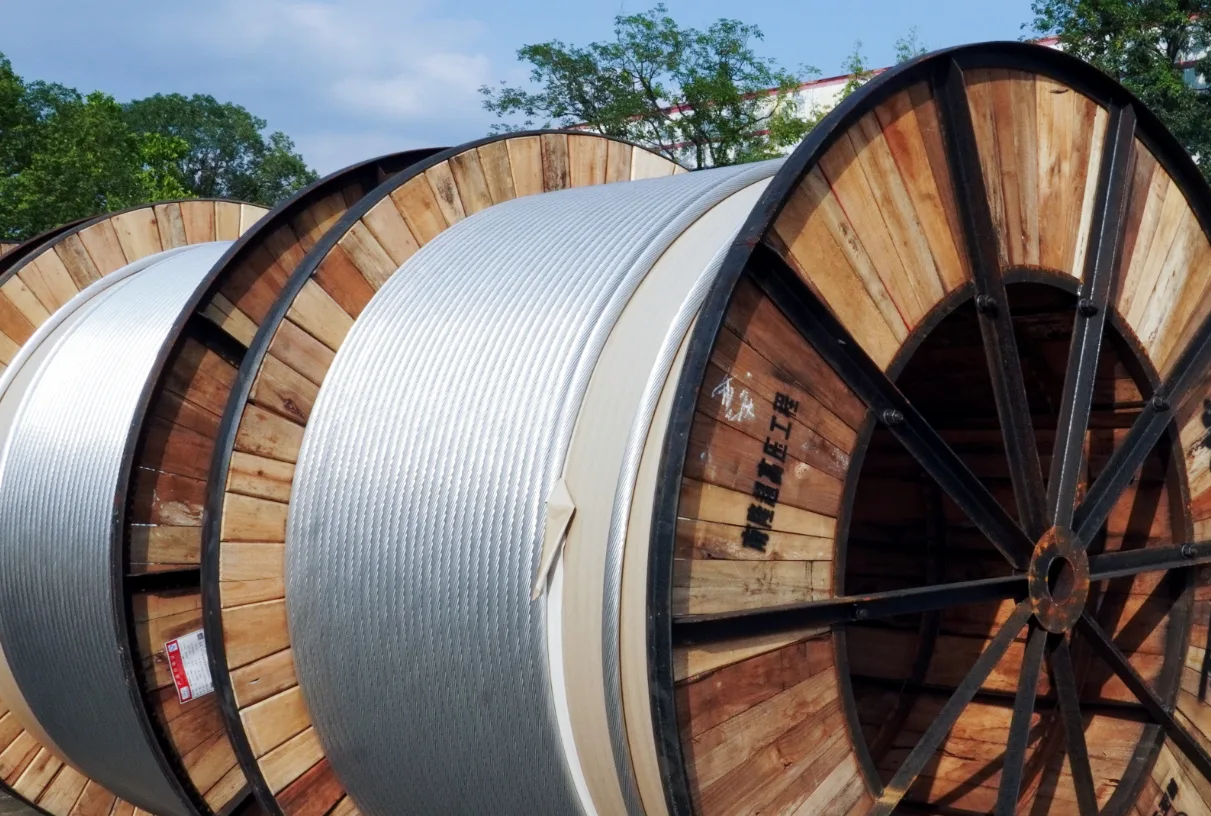
Rubber sheathed cable uses elastomeric insulation and outer sheaths to provide flexibility, mechanical resilience, and reliable performance in demanding environments. It is widely used for portable equipment, industrial machinery, mining operations, construction sites, temporary power supply, outdoor tools, and mobile installations where repeated movement, bending, or harsh conditions are expected. Typical constructions use flexible stranded copper conductors with rubber or elastomer insulation, such as EPR, EPDM, or CSP, and a tough rubber outer sheath. Heavy-duty variants may include additional mechanical protection, reinforced cores, or oil- and weather-resistant compounds to withstand abrasion, moisture, UV exposure, and temperature variation. Key selection parameters include rated voltage, conductor cross-section, number of cores, flexibility class, sheath compound, temperature range, oil resistance, water resistance, UV resistance, and installation method. For international projects, rubber sheathed cables may reference IEC 60245, EN 50525-2-81, HD 22.4, VDE 0282, and applicable local standards for flexible and portable cables. Manufacturers typically support type tests, routine tests, bending tests, abrasion resistance tests, oil resistance tests, and third-party certification. Product selection should be matched to mechanical stress levels, environmental exposure, and the intended duty cycle of the application.
China XINYA Power Cables Co., Ltd Email: [email protected] Email: [email protected] whatsapp: +86 15289885778 Website: https://www.power-cables.com