Smart Charging & Battery Swap Cabinet: Technical Overview for EV Energy Infrastructure
smart charging and battery swap cabinet, EV battery swap cabinet, OCPP smart charging, EV charging and swapping infrastructure, battery swap cabinet BMS thermal management
By Xinya Power editorial team
Smart Charging & Battery Swap Cabinet: Technical Overview for EV Energy Infrastructure
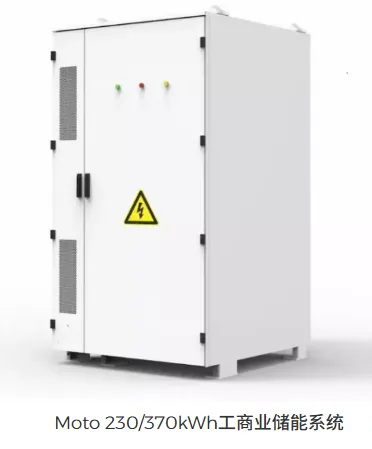
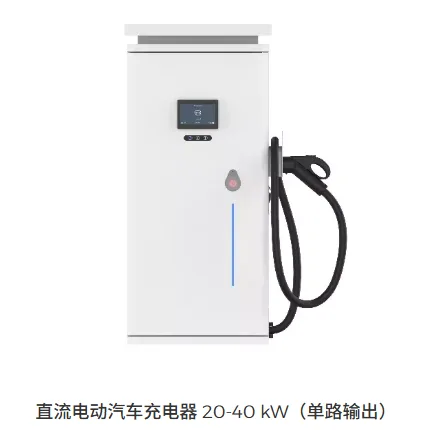
Smart charging and battery swap cabinets are complementary energy infrastructure for electric mobility. Smart charging manages AC or DC charging through communication between chargers, vehicles, and management platforms. Battery swap cabinets store, charge, monitor, and dispense standardized battery packs, enabling fast energy replacement for e-bikes, light electric vehicles, and selected EV applications. A smart charging system typically includes power modules, metering, residual-current protection, communication interfaces, and a charging management platform. Protocols such as OCPP enable remote monitoring, access control, firmware updates, and dynamic load management. OCPP 2.0.1, standardized as IEC 63584, strengthens security and supports smart charging. OCPP 2.1 further extends support for distributed energy resources, V2G, and battery swap integration. A battery swap cabinet integrates independent battery slots, charging modules, BMS communication, IoT connectivity, and thermal management. Each slot monitors battery voltage, temperature, SOC, and SOH. Thermal control may use forced air cooling, insulation, or active temperature regulation to maintain safe charging conditions. Fire separation between compartments, smoke detection, and fault isolation are important safety design elements. Site integration should consider transformer capacity, cable routing, earthing, load balancing, and coordination with PV generation and stationary energy storage. In high-density deployments, smart charging and swap cabinets can be managed together to reduce peak demand and improve asset utilization. For international projects, relevant references include IEC 61851 for conductive charging, IEC 63584 for OCPP 2.0.1, IEC 62840 for battery swap systems, and local electrical, fire, and building codes. Product evaluation should cover charging power, battery compatibility, BMS interface, thermal management, enclosure protection, communication protocol, and grid interconnection requirements.
China XINYA Power Cables Co., Ltd Email: [email protected] whatsapp: +86 15289885778 Website: https://www.esspow.com