
Aluminum Alloy Cable: Technical Overview for Power Distribution
aluminum alloy cable, 8000 series aluminum alloy cable, AA-8000 power cable, XLPE aluminum alloy cable, ASTM B800 aluminum alloy cable
By Xinya Power editorial team
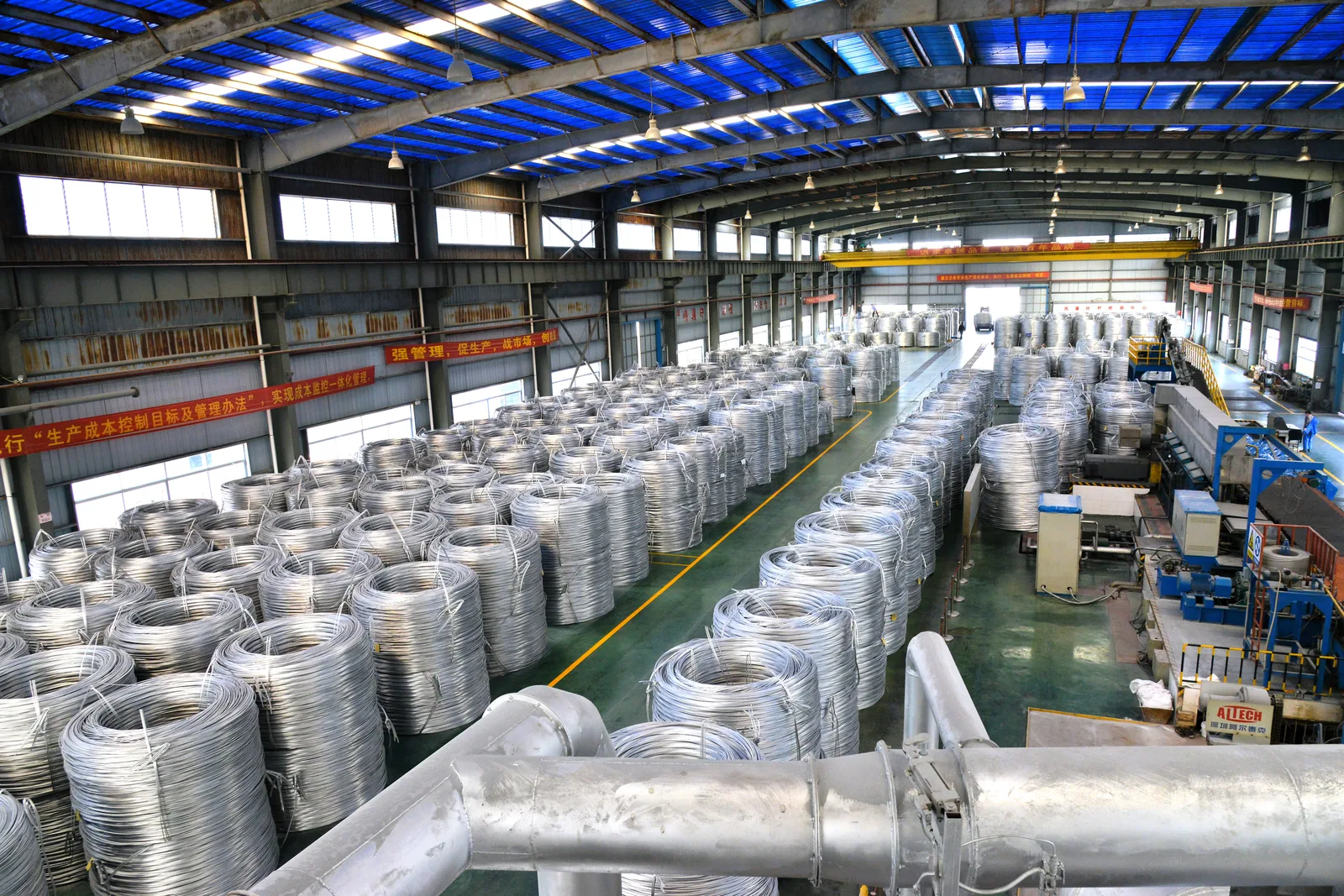
Aluminum Alloy Cable: Technical Overview for Power Distribution
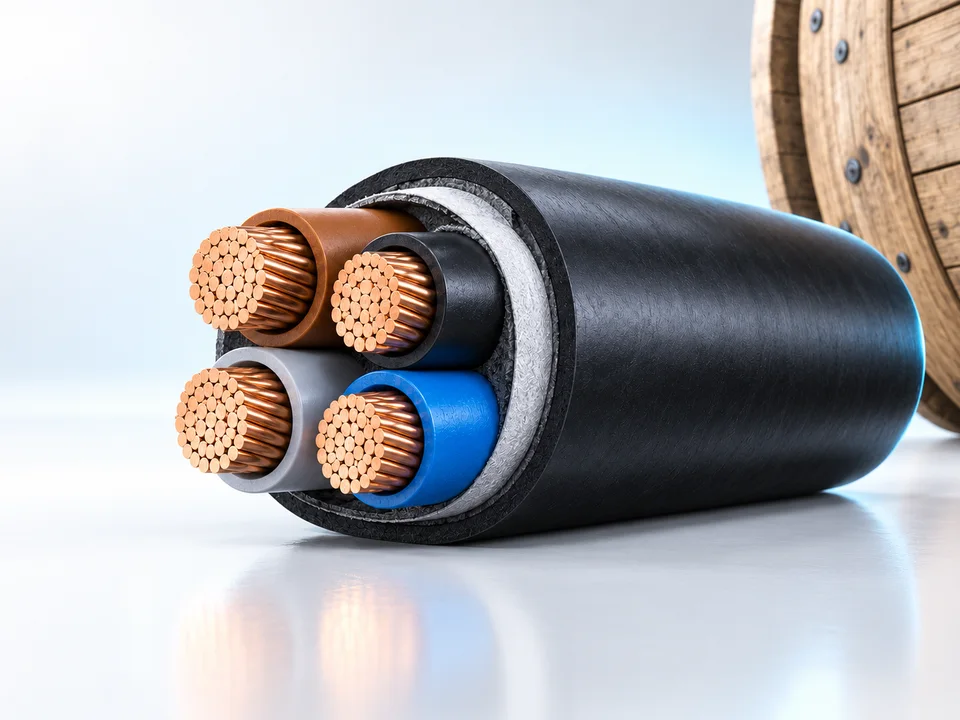
Aluminum alloy cable uses 8000 series aluminum alloy conductors to provide a lightweight, mechanically robust alternative to copper and pure aluminum conductors. It is commonly applied in building feeders, service entrance wiring, industrial power distribution, underground circuits, overhead lines, and large-scale infrastructure projects. Typical constructions use compacted 8000 series aluminum alloy conductors with XLPE, PVC, or LSZH insulation, and may include armored or unarmored designs depending on installation requirements. Compared with pure aluminum, aluminum alloy conductors offer improved creep resistance, flexibility, tensile strength, and connection stability, while maintaining lower weight than copper. Key selection parameters include rated voltage, conductor cross-section, number of cores, insulation and sheath material, armor type, current-carrying capacity, voltage drop, short-circuit rating, bending radius, and termination method. Because aluminum alloy has lower conductivity than copper, cross-section selection should be based on equivalent ampacity and project-specific derating factors. For international projects, aluminum alloy cables may reference ASTM B800, ASTM B801, UL 44, UL 854, IEC 60228, IEC 60502, and GB/T 31840. Manufacturers typically support type tests, routine tests, creep resistance tests, tensile tests, bending tests, flame propagation tests, and third-party certification. Proper aluminum alloy terminals and installation procedures are essential to maintain long-term connection reliability.
China XINYA Power Cables Co., Ltd Email: [email protected] Email: [email protected] whatsapp: +86 15289885778 Website: https://www.power-cables.com

 Coming soon