Battery Energy Storage: How to Specify and Size a BESS
A practical buyer's guide to battery energy storage: usable capacity, cycle life, IEC 62619 and UL 9540A, configurations, cabling and lead times.
By Xinya Power editorial team
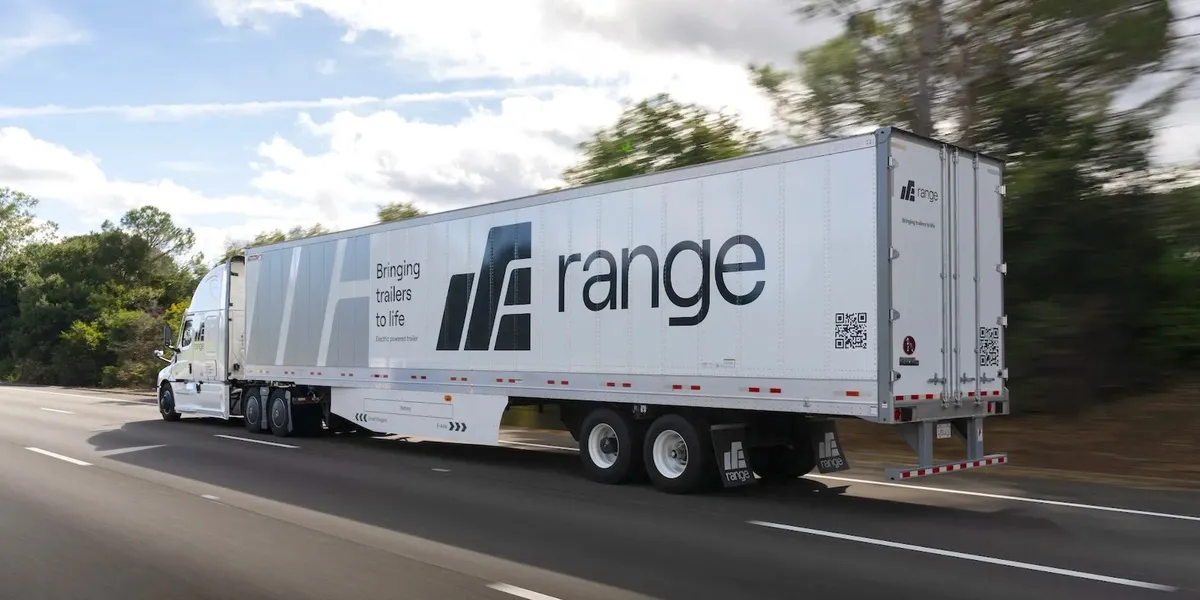
Image: Electrek
Battery energy storage is a rechargeable system that stores electricity — usually from solar, the grid or a generator — and releases it when demand or prices peak. For a professional buyer, the job is not to pick a chemistry but to match usable capacity, power rating, cycle life and safety certifications to a specific load profile. This guide covers what to check before you request a quotation.
Start with the market signal, then the load profile
Demand for storage is being driven by grid targets and electrification. Singapore has raised its energy storage target to just over 1 GWh by 2030, up from 200 MWh, with peak demand forecast to reach 13 GW within five years (Energy News). Transport is electrifying too: the MBTA board approved the purchase of a new generation of battery-powered transit trains (Electrek), and fleet operators are analysing savings from trailer-mounted batteries and motors (Electrek).
Those headlines matter to you only as context. What sizes a system is your own data: peak kW, daily kWh, backup hours required, available roof or floor area, grid-connection limits and ambient temperature. Send a 15-minute interval load profile if you have one; a monthly bill plus a list of critical loads is the minimum.
Specifications that decide the outcome
Usable capacity, not nameplate. A 10 kWh pack may deliver 9 kWh usable if the depth of discharge is limited to 90%. Ask for the usable figure at the stated end-of-life condition.
Cycle life test conditions. "6,000 cycles" means little without the C-rate, depth of discharge, temperature and capacity-retention threshold. Compare like with like, and ask for the test report rather than a datasheet line.
Certifications. For industrial and home lithium systems, IEC 62619 is the baseline cell and battery safety standard; UN38.3 is required for transport; UL 9540A is the fire-propagation test that many authorities and insurers now request for larger cabinets. Also confirm grid-code compliance for the inverter and CE/UKCA marking where applicable.
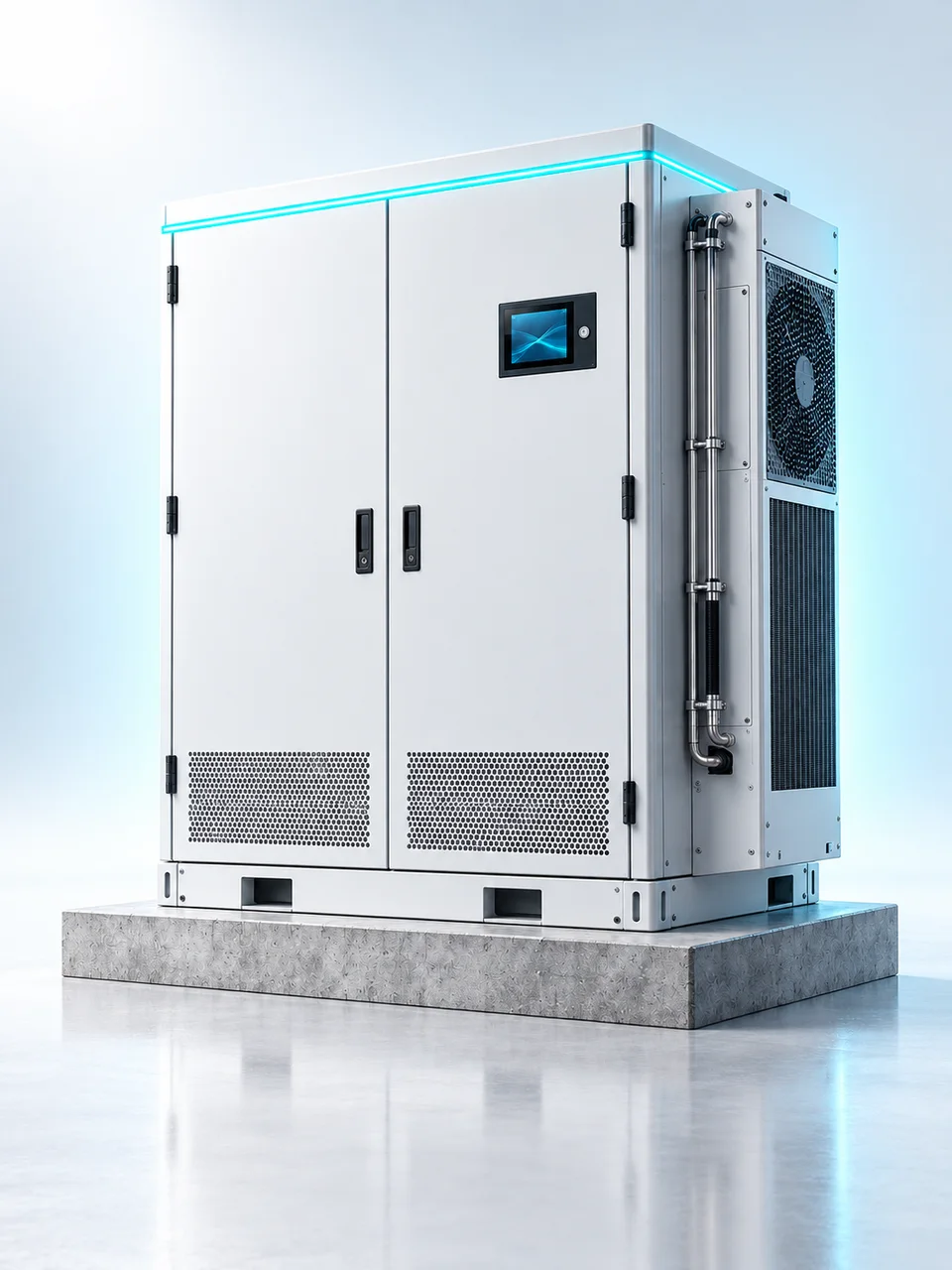
IP rating and thermal design. Outdoor cabinets need at least IP54 and a thermal strategy that holds up in your climate — liquid cooling is common in high-cycle commercial cabinets, while passive or fan cooling suits smaller home units.
Warranty terms. Check years, throughput limits (MWh cycled), whether labour and shipping are included, and what the capacity-retention guarantee is at year 10.
Typical configurations by application
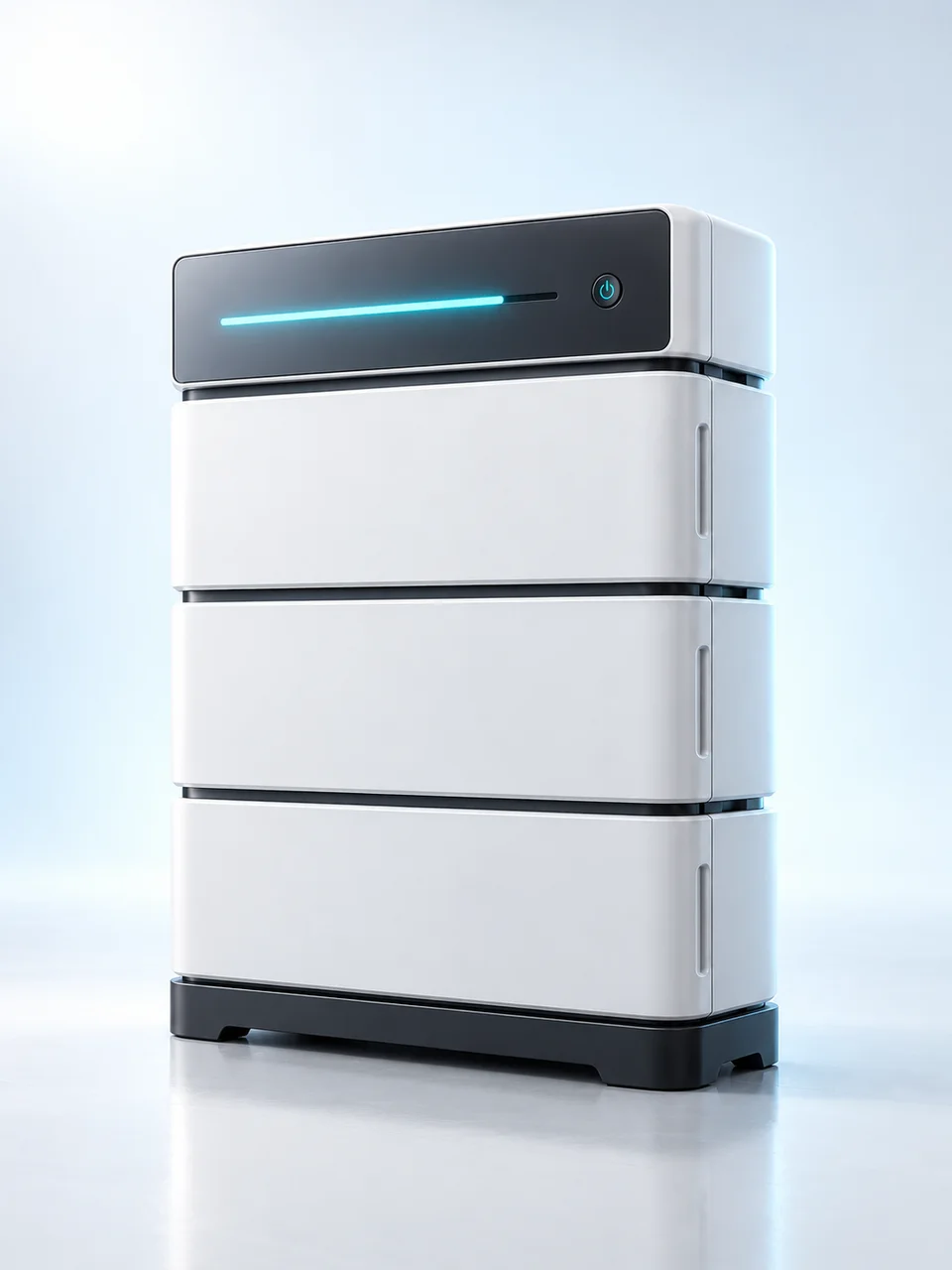
- Home retrofit: a wall-mounted or stackable LFP battery paired with a hybrid inverter, typically 5–20 kWh. The Stackable Home Battery 5.12 / 10.24 kWh grows module by module, while the Wall-Mounted LiFePO4 Battery 51.2 V 100 Ah suits tight plant rooms.
- Apartment and balcony solar: plug-in storage in the 2–6 kWh range, such as the Balcony Energy Storage 2.15 – 6.45 kWh.
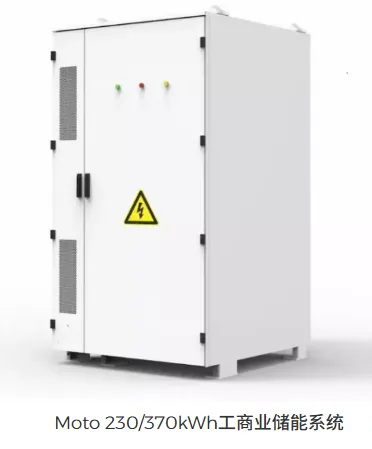
- Commercial peak shaving and solar shifting: outdoor liquid-cooled cabinets or all-in-one hybrid ESS units, sized in the hundreds of kWh and paralleled for larger sites.
- Off-grid and weak-grid sites: an inverter-charger with generator support plus an LFP bank, sized for autonomy days rather than daily arbitrage.
Cabling is part of the system, not an accessory
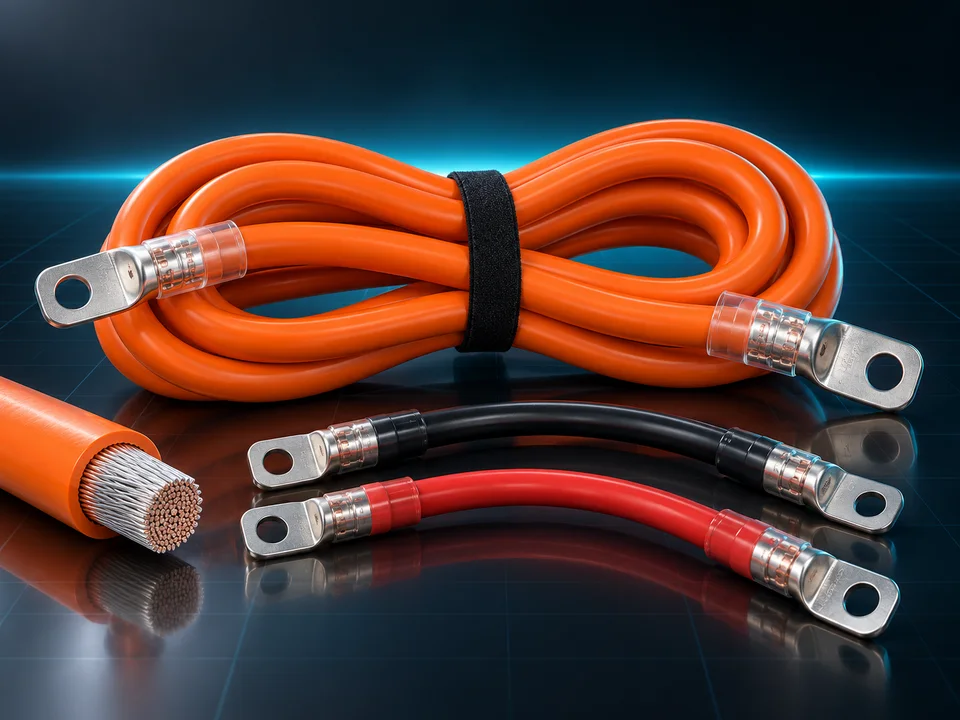
Storage projects fail commissioning on cable details more often than on cells. Specify DC cable rated for the full string voltage — 1,500 V DC class for rack interconnects — with flexible conductors for tight cabinet bends and correct ferrules or lugs at every termination. AC cable from inverter to switchboard should be sized for continuous current, not peak, with XLPE insulation at 0.6/1 kV. Keep DC and AC routes separated, and confirm that the cable's temperature rating matches the enclosure's internal ambient.
Lead times, logistics and quotation
Standard LFP modules typically ship in weeks rather than months, but cabinets with custom fire suppression, country-specific grid codes or non-standard voltages add engineering time. Lithium batteries are Class 9 dangerous goods for transport, so confirm UN38.3 test summaries and packaging before booking freight, and check whether your destination port requires additional documentation. Ask for a single supplier who can match solar-DC, battery and AC cabling to the same system — it removes interface risk at commissioning.
Send your load profile, site conditions and target backup hours to /en/contact/ and we will return a sized configuration, a matched cable schedule and a quotation.
Frequently asked questions
How do I calculate the battery capacity I need?
Start from daily kWh consumption and the hours of backup or peak-shaving you require, then divide by usable depth of discharge and add a margin for degradation. A 15-minute interval load profile gives the most accurate result.
Is IEC 62619 enough, or do I need UL 9540A?
IEC 62619 covers cell and battery safety and is the usual baseline outside North America. UL 9540A is a fire-propagation test increasingly requested by authorities and insurers for larger cabinets, so confirm what your AHJ requires.
What cycle life should I expect from an LFP battery?
LFP systems commonly claim 4,000–8,000 cycles, but the figure depends on C-rate, depth of discharge and temperature. Always compare the test conditions and ask for the supporting report.
Can you supply the DC and AC cables with the battery system?
Yes. We manufacture 1,500 V DC battery interconnect cables, 0.6/1 kV XLPE AC power cable and 1.5 kV DC solar cable, so the cable schedule can be matched to the battery and inverter in one order.
This article was compiled with automated research and reviewed against the cited sources.