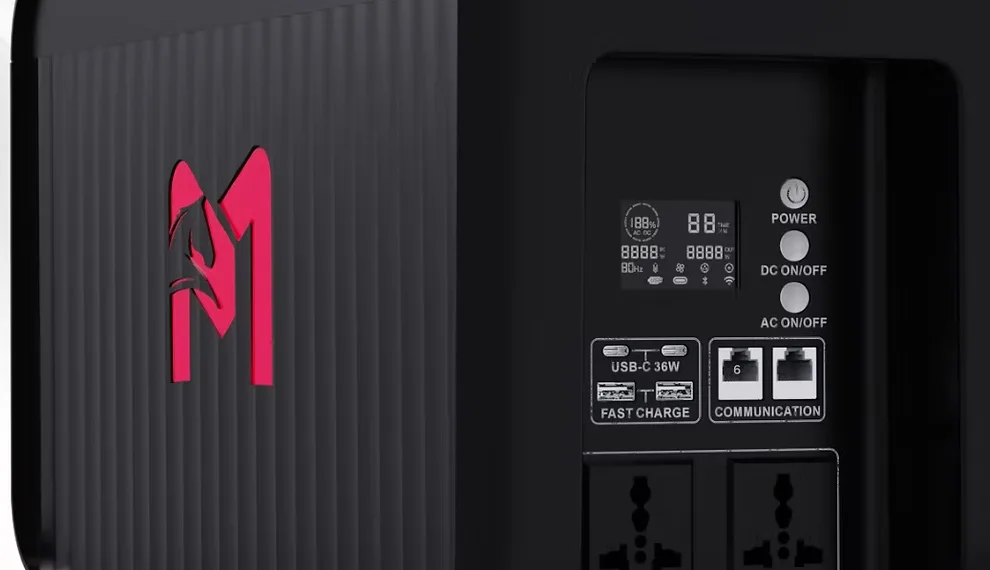
Commercial Energy Storage: How to Choose a C&I Battery System
A buyer's guide to commercial energy storage: key specs, safety tests, configurations, and cabling for reliable C&I battery systems.
By Xinya Power editorial team
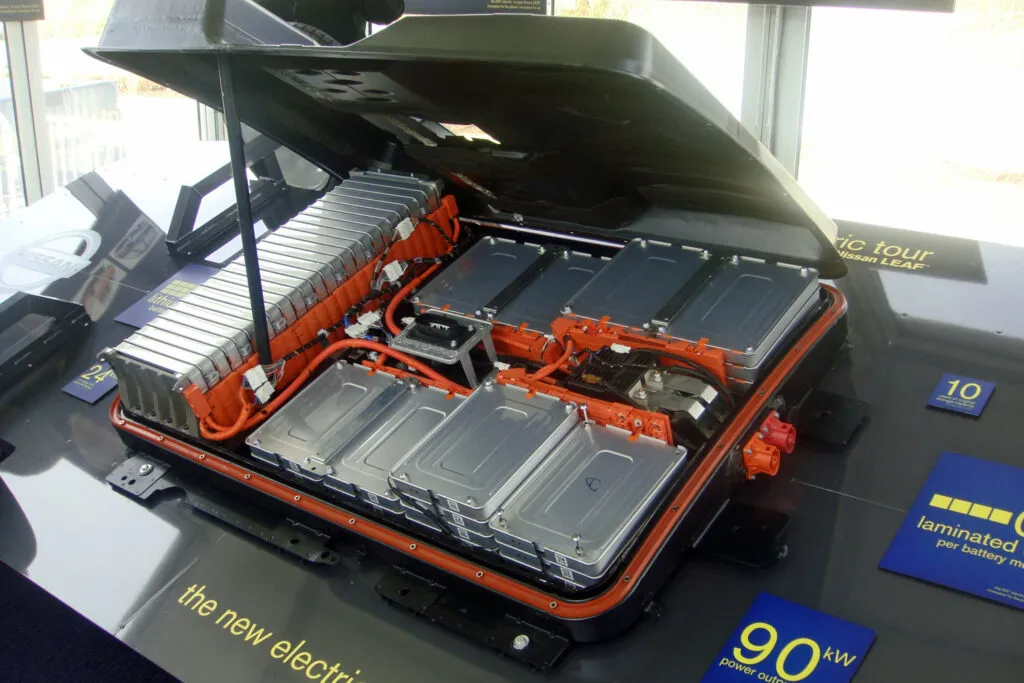
Image: Energy News
Commercial energy storage systems (ESS) are large-capacity batteries paired with inverters and controls that let businesses shift solar energy, shave peak demand, and keep critical loads running. The right system depends on your load profile, site conditions, and the certifications your utility or insurer requires. Below is a practical framework for evaluating C&I battery options, with current context from recent industry research.
Start with the load profile, not the datasheet
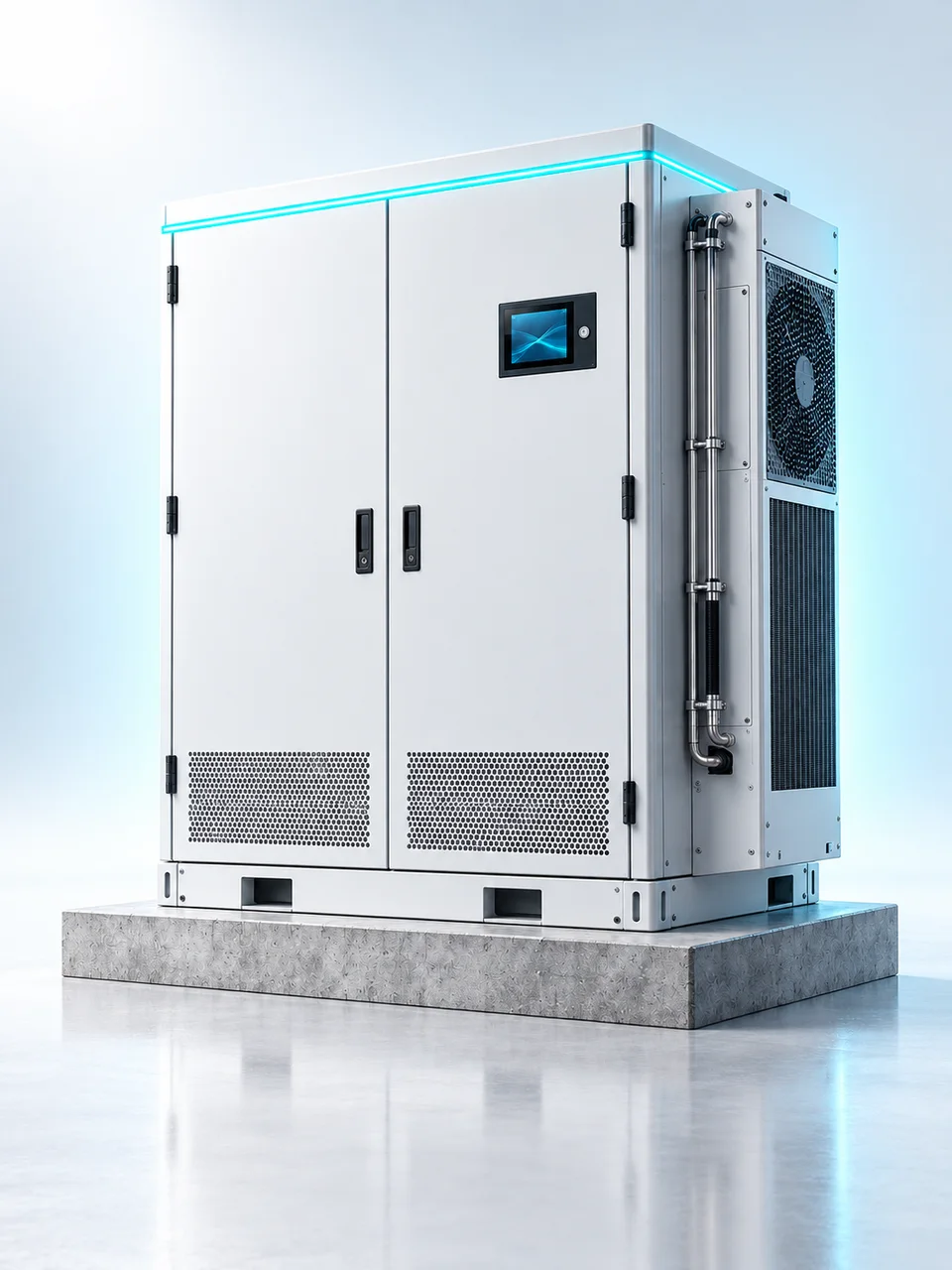
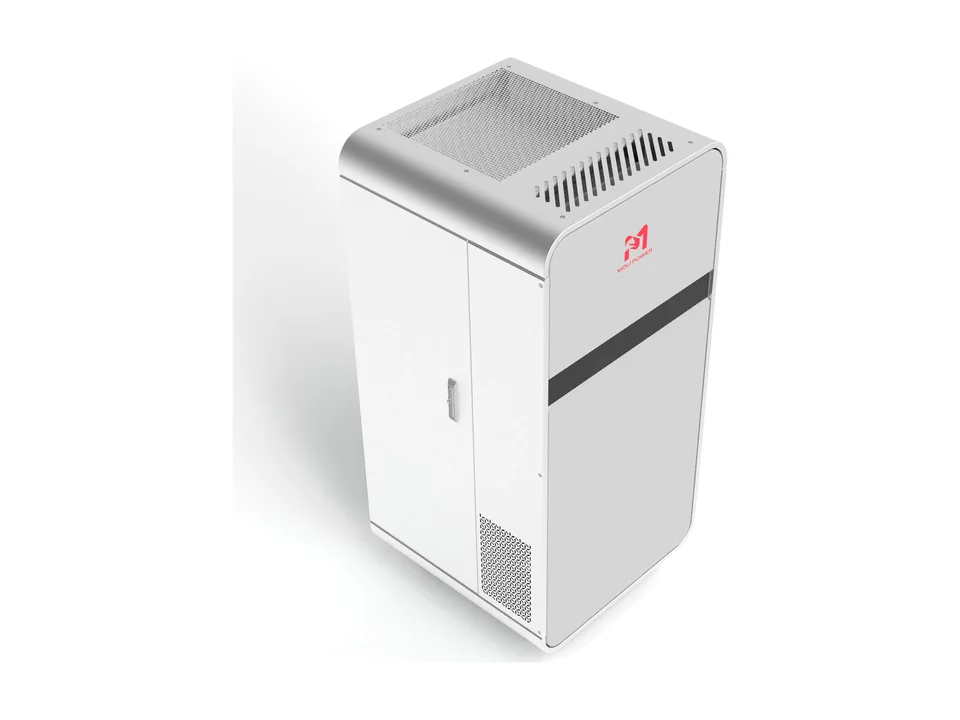
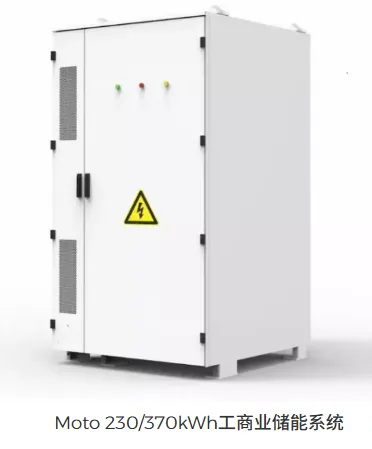
Before comparing cabinets, gather 12 months of interval data (15-minute or hourly) and identify peak demand, daily energy consumption, and any critical loads that cannot tolerate interruption. A system sized for peak shaving may look very different from one sized for solar self-consumption or backup. For many commercial sites, a modular cabinet in the 200–400 kWh range is a sensible building block; our Liquid-Cooled C&I Battery Cabinet 372 kWh is designed for outdoor peak shaving and solar shifting, with liquid thermal management to keep cells in their comfort zone. If you need a turnkey package that includes the inverter and fire protection, an all-in-one hybrid ESS such as the Solar Vigour All-in-One Hybrid ESS (30 kW/60 kWh or 40 kW/80 kWh) simplifies installation and commissioning.
Safety: what recent testing tells us
Thermal runaway remains the central safety concern for lithium-based ESS. A recent full-scale cabinet study found that behaviour changes significantly once flames appear: two identical cabinets triggered under the same conditions behaved differently depending on whether the event flamed or not (Energy News). For buyers, this reinforces the value of independent fire testing at cell, module, and cabinet level — look for UL 9540A test reports, IEC 62619 for cell safety, and UN38.3 for transport. Also ask whether the cabinet includes aerosol or gas detection, emergency ventilation, and deflagration venting. Thermal management strategy matters too: liquid cooling generally offers tighter temperature control than air cooling, which can slow cell ageing and improve round-trip efficiency.
Specifications that actually differentiate suppliers
When comparing quotes, normalise the numbers. Usable capacity (not nominal) should be stated at a defined depth of discharge and temperature. Cycle life should come with test conditions — C-rate, temperature, and end-of-life criterion (typically 70% or 80% of beginning capacity). IP rating should match the installation location; outdoor cabinets generally need IP54 or better, with anti-corrosion coating for coastal sites. Warranty terms should specify energy throughput (MWh) rather than just years, and clarify who covers labour and logistics.
On the inverter side, check efficiency curves at part load, overload capability, and grid-support functions such as reactive power and frequency response. For sites with existing generators, a generator-ready inverter can simplify integration. Our G-Pro Off-Grid Inverter is an example of a generator-ready unit for off-grid or weak-grid applications, though C&I projects typically use three-phase central or string inverters.
Cabling and balance-of-system: the details that cause callbacks
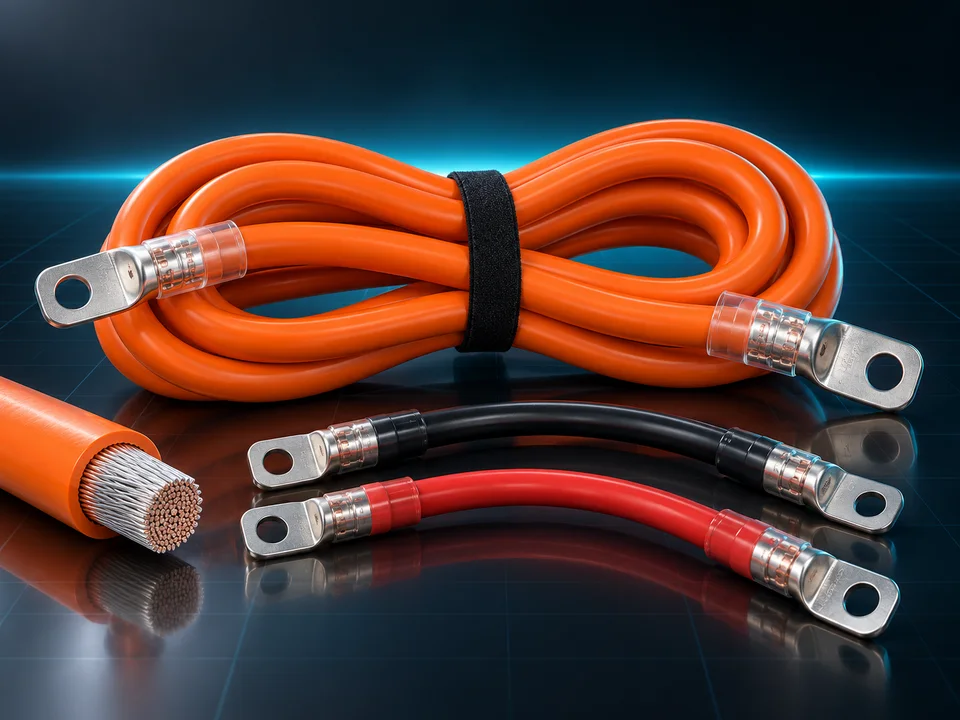
Cabling is where many C&I projects lose time and money. DC cables between battery racks and the inverter must be rated for the system's maximum DC voltage — 1,500 V DC is now common for commercial systems — and sized for continuous current with derating for ambient temperature and conduit fill. Use flexible, flame-retardant cables with the correct temperature rating; our ESS Battery Interconnect Cable 1,500 V DC is built for rack-to-rack and rack-to-inverter connections. On the AC side, XLPE-insulated cables rated 0.6/1 kV are typical for inverter-to-switchboard runs; see our 0.6/1 kV XLPE Power Cable for ESS. Terminations matter as much as the cable: specify tinned copper lugs, correct torque, and strain relief. For PV-side connections, H1Z2Z2-K solar cable rated 1.5 kV DC is the standard choice.
Lead times, logistics, and supplier checks
C&I battery systems are heavy and often shipped as multiple cabinets. Ask for a packing list with weights and dimensions, and confirm forklift or crane access at site. Lead times for LFP cells and cabinets can vary with demand; recent market commentary noted that Tesla's energy storage deployments rose 10% year-over-year in Q3 2026 even as energy revenue fell 16%, partly due to tariff-related customer refunds (Electrek). This is a reminder to clarify Incoterms, duty responsibility, and spare-parts availability in your contract. A supplier that also manufactures the cabling can reduce interface risk and simplify the bill of materials.
Next step: get a sized configuration
Send your load profile, site layout, and grid-connection requirements to our engineering team at /en/contact/ and we will propose a sized commercial energy storage configuration with matched DC and AC cabling, plus a quotation.
Frequently asked questions
What is the difference between nominal and usable capacity in a commercial battery?
Nominal capacity is the total cell energy, while usable capacity is what the system can actually deliver under specified conditions, accounting for depth of discharge, temperature, and degradation. Always compare usable kWh at the warranted end-of-life, not just the nameplate rating.
Which certifications should a C&I battery system have?
At minimum, look for IEC 62619 for cell and battery safety, UN38.3 for transport, and UL 9540A test reports for thermal runaway fire propagation. Depending on your market, CE, IEC 62477, and grid-code compliance may also be required.
How do I size the DC cables for a commercial battery system?
Size DC cables for the maximum continuous current at the lowest expected ambient temperature, then apply derating factors for conduit fill and grouping. Use cables rated for the system's maximum DC voltage (often 1,500 V DC) and confirm termination ratings match.
Can I add batteries later to a C&I system?
Many cabinet-based systems are modular, but expansion depends on inverter capacity, busbar ratings, and firmware limits. Ask the supplier for a documented expansion path and confirm that additional cabinets can be paralleled without replacing the inverter.
What lead time should I expect for a commercial energy storage system?
Lead times vary with cell supply and cabinet production, typically ranging from several weeks to a few months. Request a written schedule with milestones and clarify Incoterms, duties, and spare-parts availability before signing.
This article was compiled with automated research and reviewed against the cited sources.