Commercial Energy Storage: How to Choose and Size a C&I Battery System
A buyer's guide to commercial energy storage: usable capacity, cycle-life test conditions, IEC 62619 and UL 9540A, IP rating, cabling and lead times.
By Xinya Power editorial team

Image: Utility Dive
Commercial energy storage is a battery system sized and certified for a business site — typically 30 kWh to several MWh — used for peak shaving, solar self-consumption, demand-charge control and backup. To choose one, start from your load profile and tariff structure, then match usable capacity, power rating, cycle life and certifications to that duty cycle. The market is moving fast: Xcel Energy's five-year, $70B capital plan includes 9.2 GW of renewables and 2.3 GW of storage (Utility Dive), and modelling for Northwest China finds that faster long-duration storage learning curves raise LDES capacity 30.0% and cut retained coal capacity 15.0% by 2040 (Energy News). For a facility owner, the practical question is simpler: which cabinet, at what usable kWh, on what cabling, delivered when.
Start from the load profile, not the datasheet
Before comparing products, collect 12 months of interval meter data, your demand-charge structure and any PV generation profile. The three numbers that decide the system are:
- Peak kW to shave. The battery's continuous power rating must cover the target reduction, with margin for inverter efficiency.
- kWh shifted per day. This sets energy capacity; a two-hour daily peak-shaving window needs far less than a full solar-shifting duty cycle.
- Backup autonomy, if required. Critical loads plus outage duration often double the required capacity.
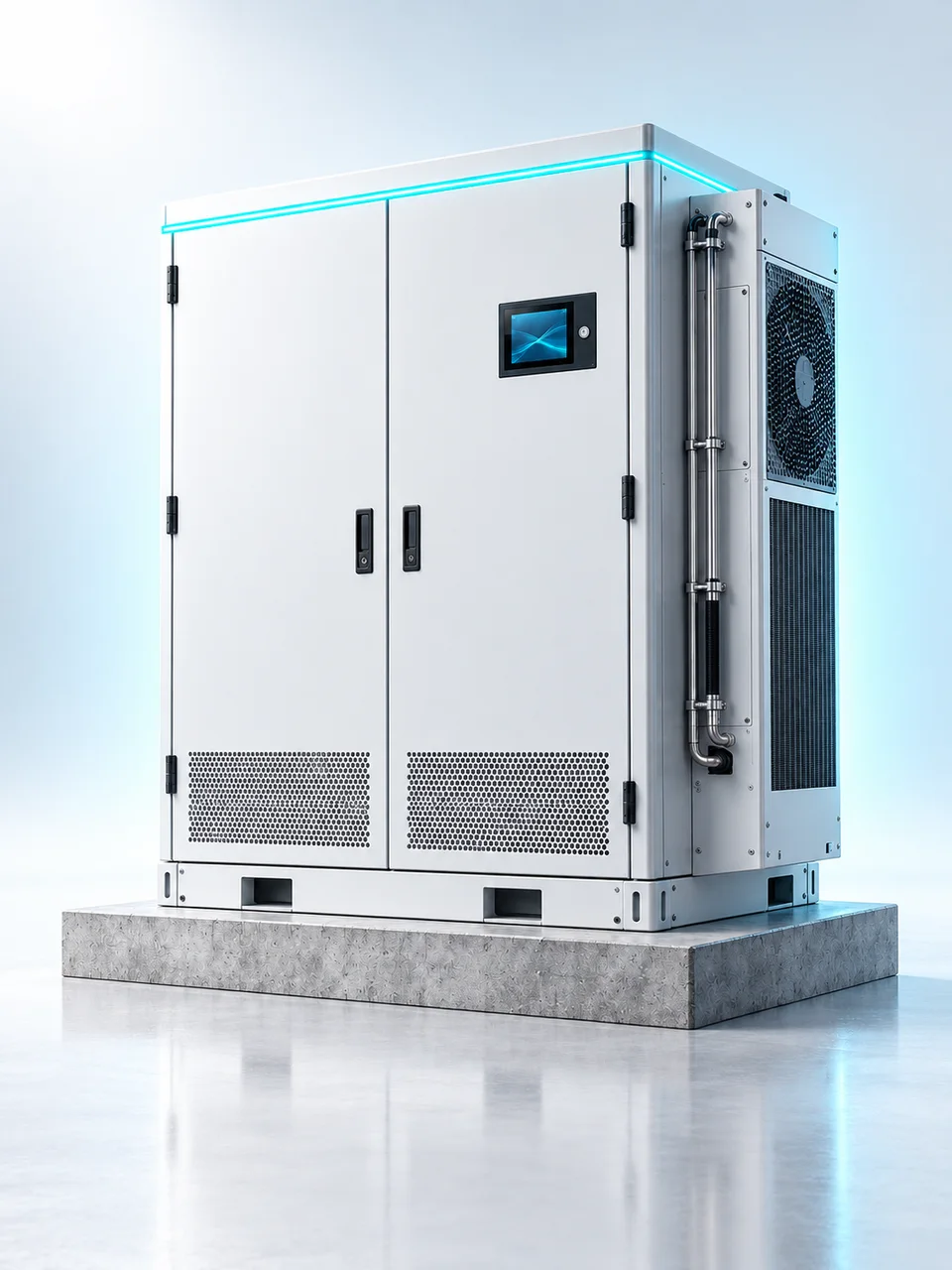
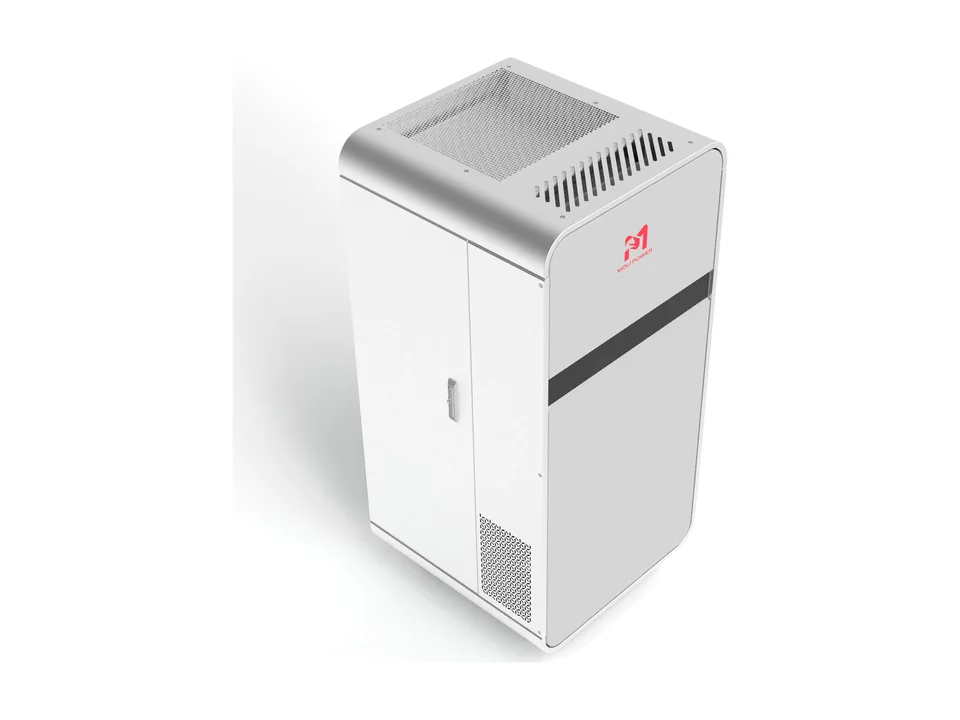
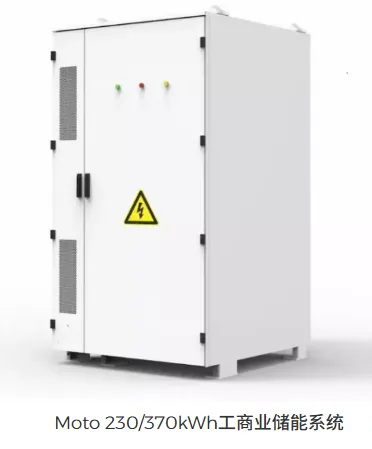
A common mid-size configuration is a 372 kWh liquid-cooled cabinet paired with a 30–80 kW hybrid inverter, or an all-in-one cabinet that bundles inverter, battery and fire protection. For sites with existing PV, DC-coupled all-in-one units reduce balance-of-system work.
Specifications that actually separate suppliers
Usable capacity vs nameplate. Ask for the usable kWh at the stated depth of discharge and end-of-life, not the gross pack rating. A 372 kWh nameplate cabinet typically delivers noticeably less usable energy after accounting for DoD limits and degradation margin.
Cycle life and its test conditions. A cycle-life figure is meaningless without temperature, C-rate, DoD and end-of-life capacity retention. Request the test report, not the marketing number.
Certifications. For international projects, check IEC 62619 for cell and system safety, UN38.3 for transport, and UL 9540A cell-level thermal runaway testing where North American authorities require it. Also confirm grid-code compliance for the inverter and CE/UKCA marking as applicable.
IP rating and thermal management. Outdoor cabinets should be at least IP54; liquid-cooled designs hold tighter cell temperature spread, which protects cycle life in hot climates.
Warranty terms. Look at years, throughput (MWh) cap, capacity-retention guarantee and who performs service in your country.
Cabling: the part buyers forget until commissioning
Storage systems fail acceptance tests on cabling more often than on cells. Specify:
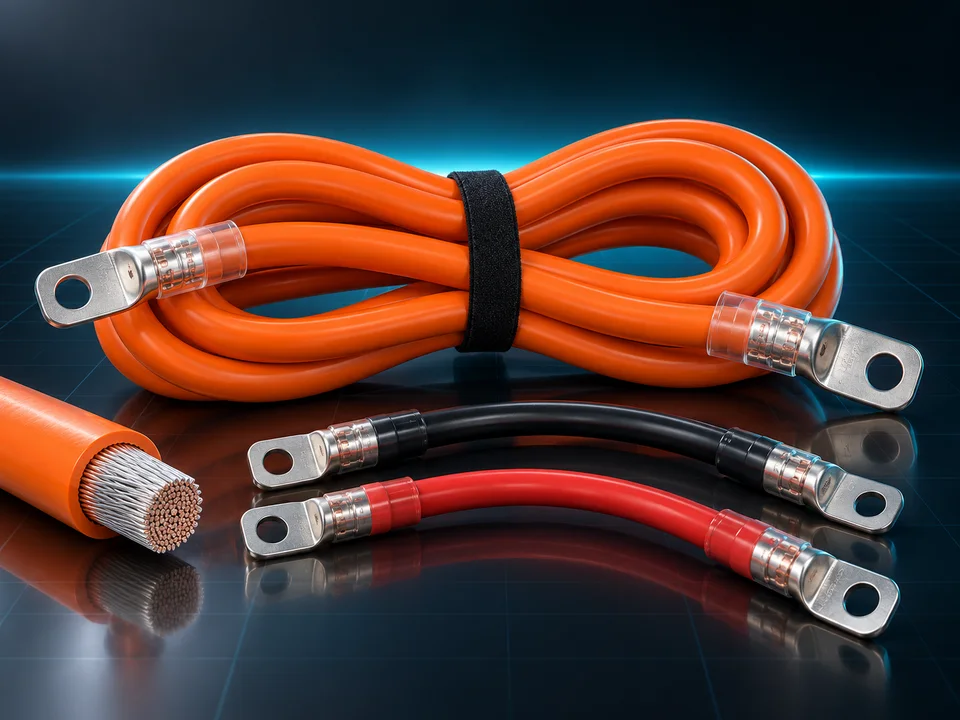
- DC interconnect cable rated 1,500 V DC, high-flex, with correct lug sizes and torque values for rack-to-rack jumpers. Our ESS Battery Interconnect Cable 1,500 V DC is built for this duty.
- PV cable to EN 50618 / H1Z2Z2-K at 1.5 kV DC where modules connect directly, such as our H1Z2Z2-K Solar PV Cable 1.5 kV DC.
- AC cable from inverter to switchboard sized for continuous current, not peak, with XLPE insulation — see our 0.6/1 kV XLPE Power Cable for ESS.
Mixing unmatched cable ratings across a system is a common cause of failed inspections and derated warranties.
Lead times, logistics and supplier checks
Ask for the production slot, not just the quotation date. Battery cabinets ship as Class 9 dangerous goods in many configurations, so confirm UN38.3 documentation, SOC at shipment and port handling. Check whether the supplier manufactures the cable harnesses in-house — matched DC, battery and AC cabling from one factory shortens commissioning and simplifies warranty claims. Finally, request two reference installations of similar size and climate.
Thermal storage and hybrids: context, not a substitute
Thermal storage is advancing too: a cascaded molten-salt design for coal units reports 82–89 MW peak shaving, 48.84% round-trip efficiency and a 4.1-year payback (Energy News). That is relevant for industrial sites with waste heat, but for most commercial buyers an LFP battery cabinet remains the simpler, faster-deployed option.
Next step
Send your load profile, tariff details, site constraints and target commissioning date to our team at /en/contact/ and we will return a sized configuration, matched cabling list and quotation.
Frequently asked questions
How do I size commercial energy storage for peak shaving?
Use 12 months of interval data to find the kW you want to shave and the daily kWh shifted. Size continuous power to the peak reduction plus efficiency margin, and energy capacity to the daily shift plus a degradation reserve.
Which certifications should a C&I battery system have?
At minimum IEC 62619 for system safety and UN38.3 for transport. For North American projects, UL 9540A thermal runaway test data is often required by authorities, alongside grid-code compliance for the inverter.
What cable do I need between battery racks and the inverter?
A 1,500 V DC-rated high-flex interconnect cable with correct terminations, plus a 0.6/1 kV XLPE AC cable from inverter to switchboard sized for continuous current. Using matched, rated cable avoids inspection failures.
How long does delivery take for a commercial battery cabinet?
Lead time depends on configuration and certification package; ask for a confirmed production slot rather than a quotation date, and confirm UN38.3 documentation and shipping SOC for dangerous-goods logistics.
Can commercial storage be added to an existing solar installation?
Yes. AC-coupled battery cabinets work with existing PV inverters, while DC-coupled all-in-one hybrid ESS units combine inverter, battery and protection in one cabinet for new builds.
This article was compiled with automated research and reviewed against the cited sources.