Commercial Energy Storage: How to Choose the Right System
A buyer's guide to commercial energy storage: key specs, certifications, configurations, lead times, and cabling for reliable C&I projects.
By Xinya Power editorial team
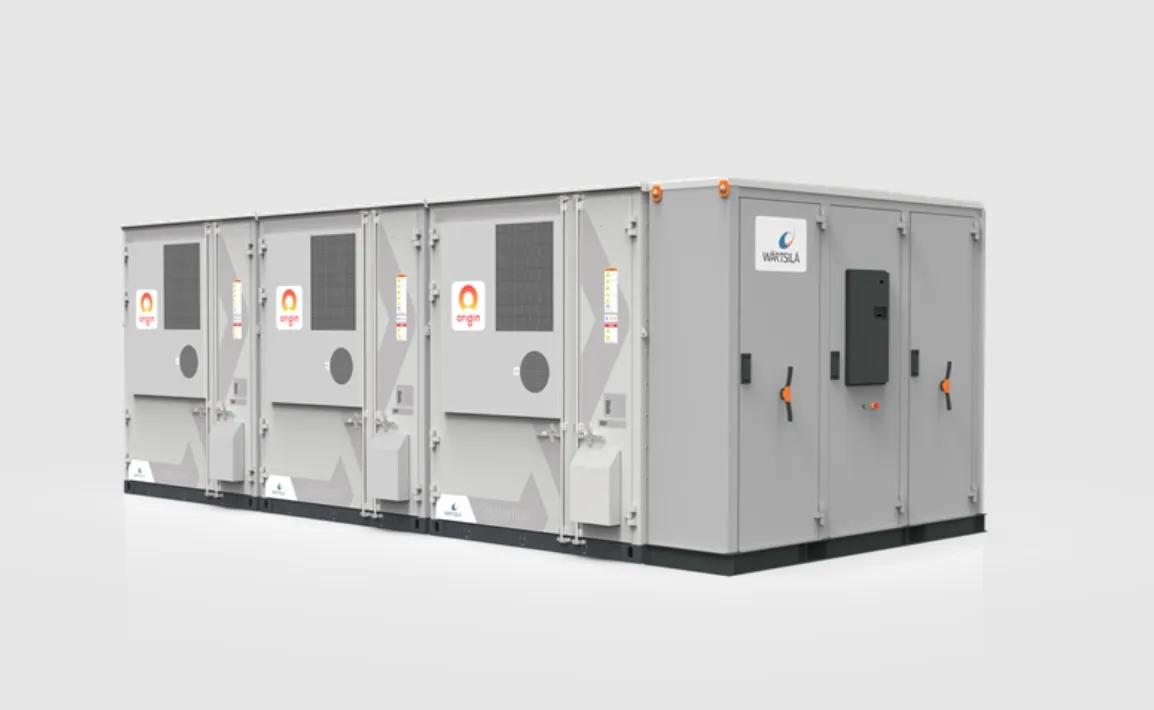
Image: ESS News
Commercial energy storage is a major investment, and the right system depends on your load profile, site conditions, and grid requirements. This guide explains what to check in specifications, typical configurations, certifications, lead times, and cabling so you can specify a system that performs for 10+ years. Recent projects show the scale and maturity of the market: Linea Energy closed financing for a 250 MW/500 MWh Texas BESS (ESS News), while Renalfa IPP and Eurowind inaugurated a 242 MWp solar-plus-storage hybrid park in Bulgaria with 773 MWh of battery storage (Energy-Storage.News). These projects highlight the importance of proper sizing and reliable components.
Key Specifications to Check
When evaluating commercial energy storage, start with usable capacity, not nominal. Usable capacity accounts for depth of discharge (DoD) and system losses. For LFP batteries, cycle life is typically quoted at 80% DoD and 25°C; check the test conditions and end-of-life criteria. Certifications matter: IEC 62619 for cell safety, UN38.3 for transport, and UL 9540A for fire propagation. IP ratings (e.g., IP54 or IP65) indicate outdoor suitability. Warranty should cover capacity retention and cycles; 10 years or 6,000 cycles is common for LFP. Also review round-trip efficiency, C-rate, and operating temperature range.
Typical Configurations for C&I
Commercial and industrial (C&I) systems usually range from 30 kWh to several MWh. Common configurations include:
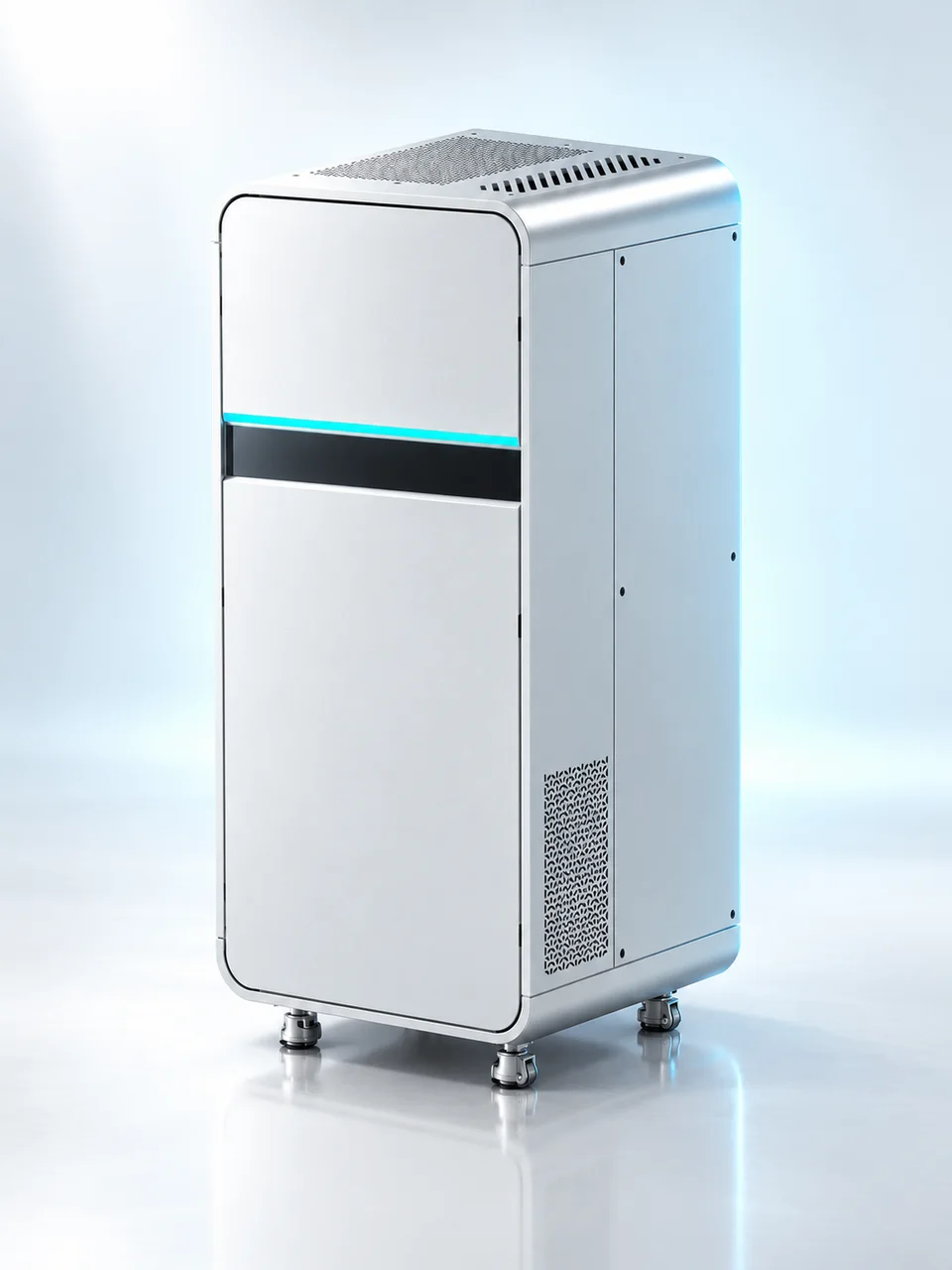
- All-in-one hybrid ESS: integrates inverter, battery, and fire protection in one cabinet. Example: Solar Vigour All-in-One Hybrid ESS 30 kW / 60 kWh · 40 kW / 80 kWh for peak shaving and solar shifting.
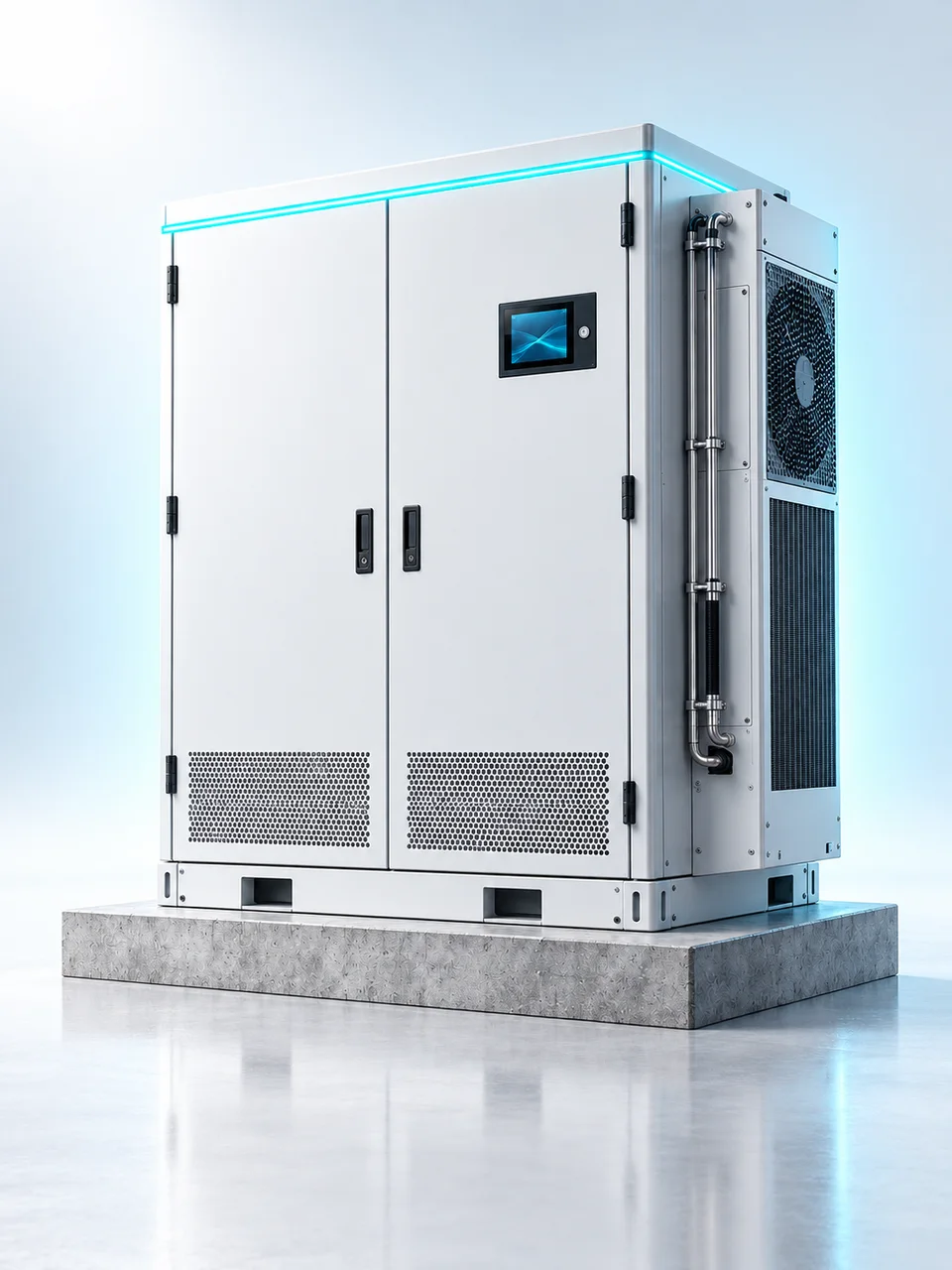
- Liquid-cooled battery cabinet: for larger outdoor installations. Example: Liquid-Cooled C&I Battery Cabinet 372 kWh with outdoor-ready enclosure.
- DC-coupled or AC-coupled: DC-coupled is more efficient for solar-plus-storage; AC-coupled is easier to retrofit.
Consider your goals: peak shaving, backup power, solar self-consumption, or grid services. A Finnish startup recently launched a revenue-share VPP for building batteries, showing new business models (ESS News). Also note cybersecurity: researchers found almost 8,000 European solar energy systems exposed to internet attacks (PV Tech), so choose systems with robust remote access controls.
Cabling and Balance of System
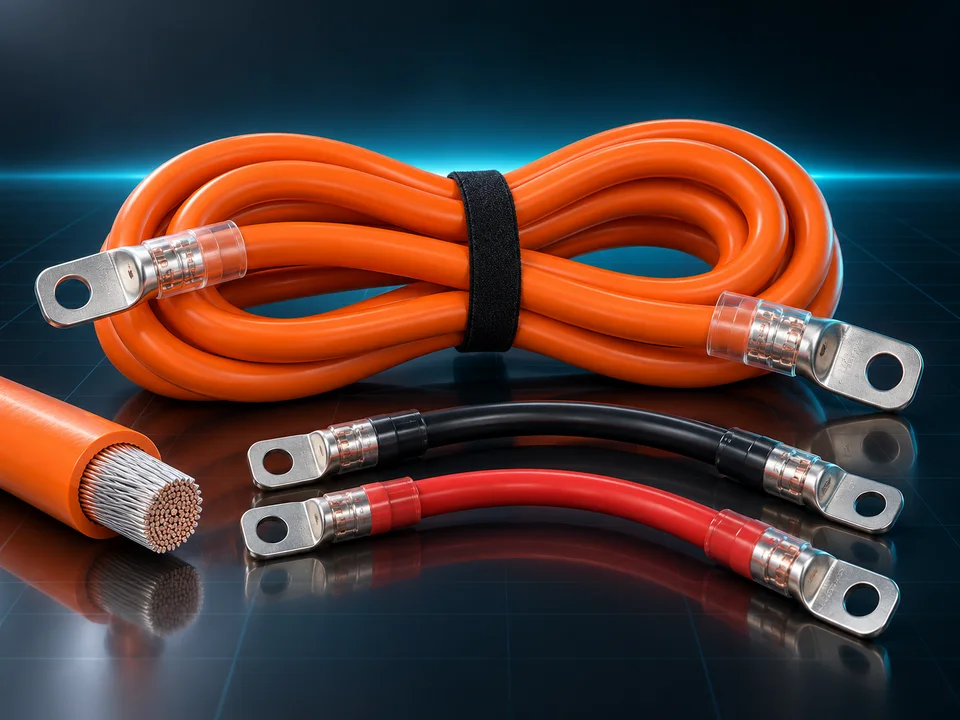
Cabling is often overlooked but critical. For battery interconnect, use cables rated for 1,500 V DC, such as ESS Battery Interconnect Cable 1,500 V DC. For solar PV, H1Z2Z2-K cable is standard (H1Z2Z2-K Solar PV Cable 1.5 kV DC). AC cables from inverter to switchboard should be sized for continuous current; 0.6/1 kV XLPE is typical (0.6/1 kV XLPE Power Cable for ESS). Ensure terminations are torque-tested and use proper fusing and disconnects. Cable size depends on current, voltage drop, and ambient temperature; always follow manufacturer guidelines.
Lead Times, Logistics, and Supplier Selection
Lead times for commercial energy storage vary by region and configuration. Standard containers may take 8–12 weeks; custom projects can take longer. Check the supplier's production capacity and whether they manufacture key components like cables in-house. Logistics: batteries are classified as dangerous goods (UN38.3), so ensure proper documentation and shipping. A supplier with experience in utility-scale projects, like those in India (pv magazine India), can better support large orders. Ask for references and factory audits.
Next Steps
Send your load profile and project details to our team for a sized configuration and quotation at /en/contact/. We'll help you select the right battery, inverter, and cabling for your commercial energy storage project.
Frequently asked questions
What is the typical cost of a commercial energy storage system?
Costs vary widely based on capacity, configuration, and region. We recommend requesting a tailored quotation based on your load profile and site conditions.
How long do commercial batteries last?
LFP batteries typically last 10 years or 6,000 cycles at 80% depth of discharge, but actual life depends on usage and temperature.
What certifications should I look for?
Key certifications include IEC 62619 for safety, UN38.3 for transport, and UL 9540A for fire propagation. IP ratings indicate environmental protection.
Can I retrofit storage to an existing solar system?
Yes, AC-coupled systems are ideal for retrofits. They allow you to add batteries without replacing existing inverters.
What cable size do I need for battery interconnects?
Cable size depends on current and voltage drop. Use 1,500 V DC-rated cables like our ESS Battery Interconnect Cable, and follow manufacturer guidelines for sizing.
This article was compiled with automated research and reviewed against the cited sources.