LFP vs NMC for stationary storage: what actually matters to buyers
Cycle life, safety margins and cost per delivered kWh — why lithium iron phosphate has become the default chemistry for home and C&I storage.
By Xinya Power editorial team

Almost every stationary battery we ship today uses lithium iron phosphate (LFP). That is not fashion — it follows from how storage systems are used.
Cycle life beats energy density
A storage system cycles once or twice a day for 10–15 years. LFP cells rated for 6,000–8,000 cycles at 80% depth of discharge deliver far more lifetime energy than NMC cells that typically reach 2,000–3,000 cycles. Weight and volume, where NMC wins, matter much less in a cabinet bolted to a concrete pad.
A wider safety margin
LFP's olivine structure releases oxygen only at much higher temperatures than layered NMC cathodes, so thermal runaway is harder to trigger and spreads more slowly. Certifications such as IEC 62619 and UL 9540A test exactly this, and they are easier to pass with LFP.
Cost per delivered kWh
Divide the system price by the energy it will deliver over its warranty — not by its nameplate capacity. On that basis LFP is usually the cheaper option even when the upfront price is similar.
What to check on a datasheet
- Cycle life and the test conditions (C-rate, depth of discharge, temperature, end-of-life capacity).
- Usable versus nominal capacity.
- The certificate list for the exact model, not the product family.
- Operating temperature range and whether derating applies above 40 °C.
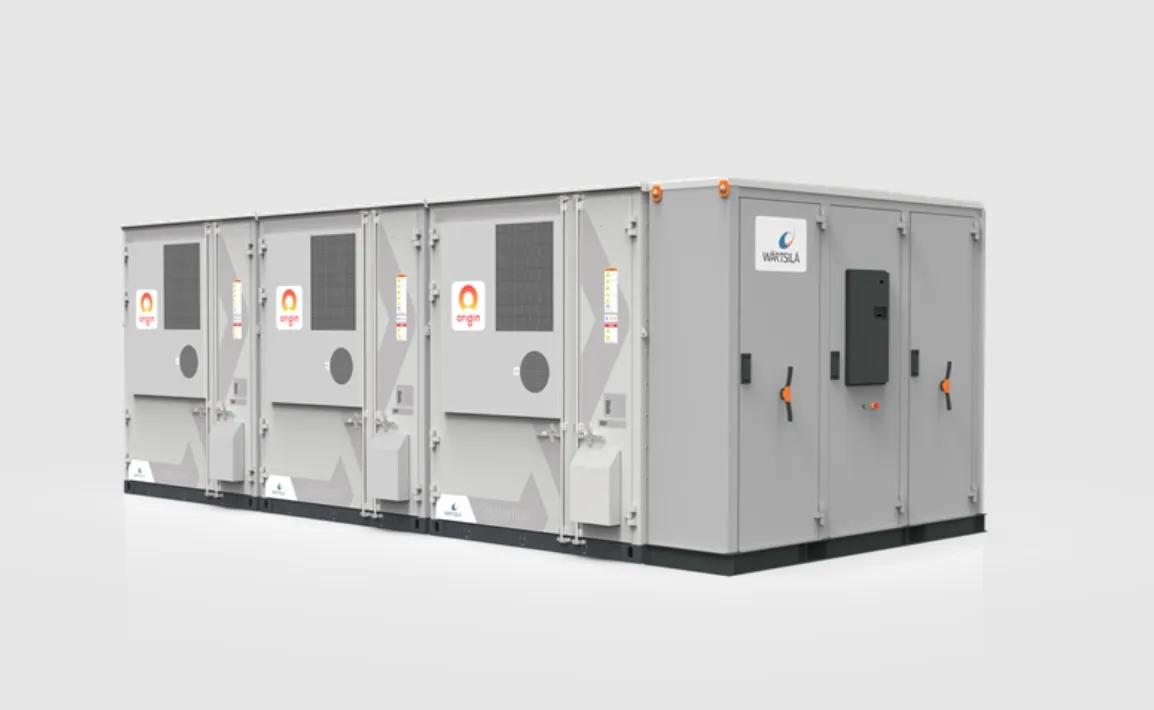
Our stackable home battery and the 372 kWh C&I cabinet both use LFP cells. Send us your project details and we will recommend the right size.