Corrosion Resistance: Technical Overview for Cable Durability
corrosion resistance, corrosion resistant cable, chemical resistant cable, marine power cable, IEC 60502 corrosion resistant cable
By Xinya Power editorial team
Corrosion Resistance: Technical Overview for Cable Durability
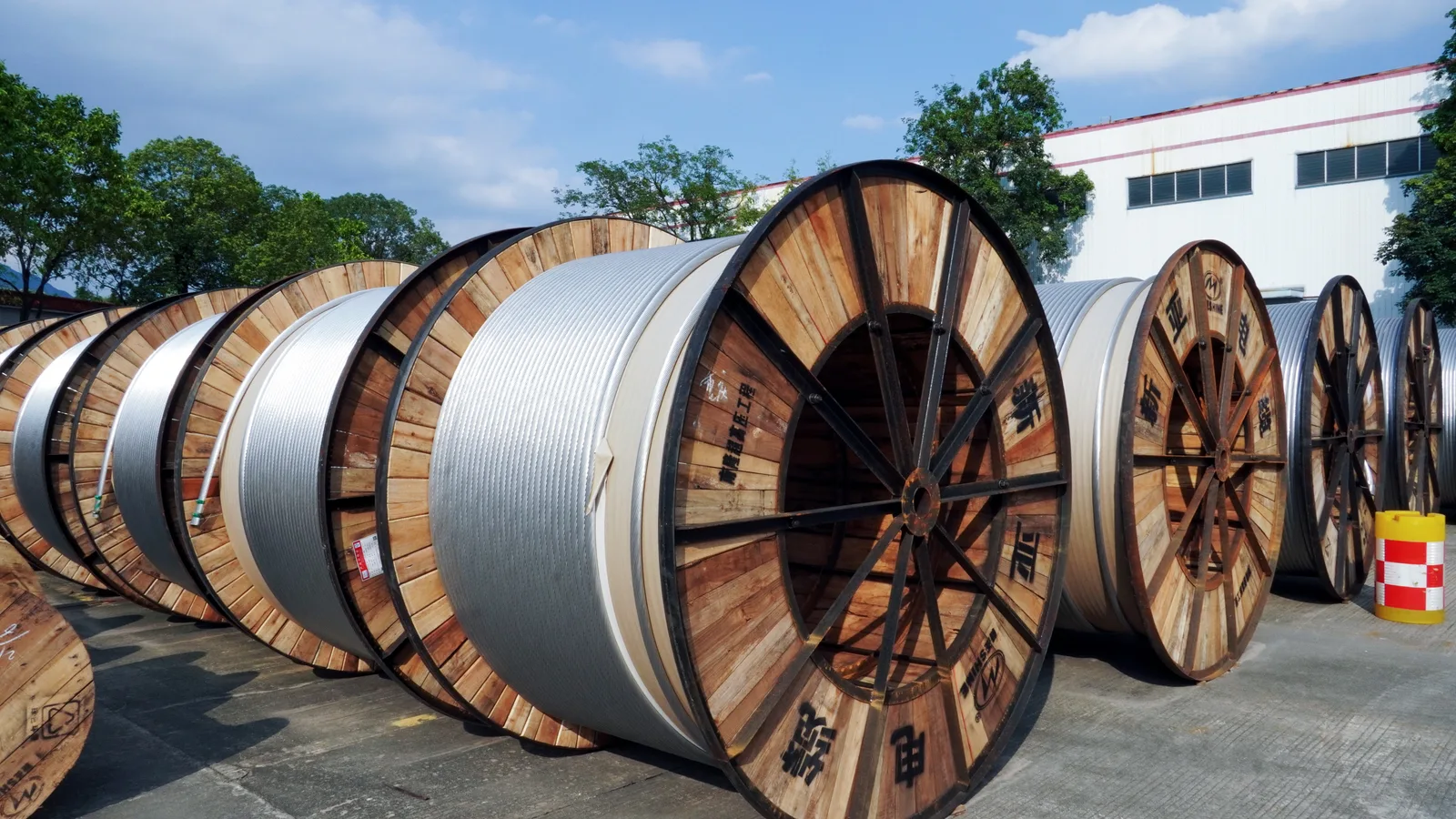
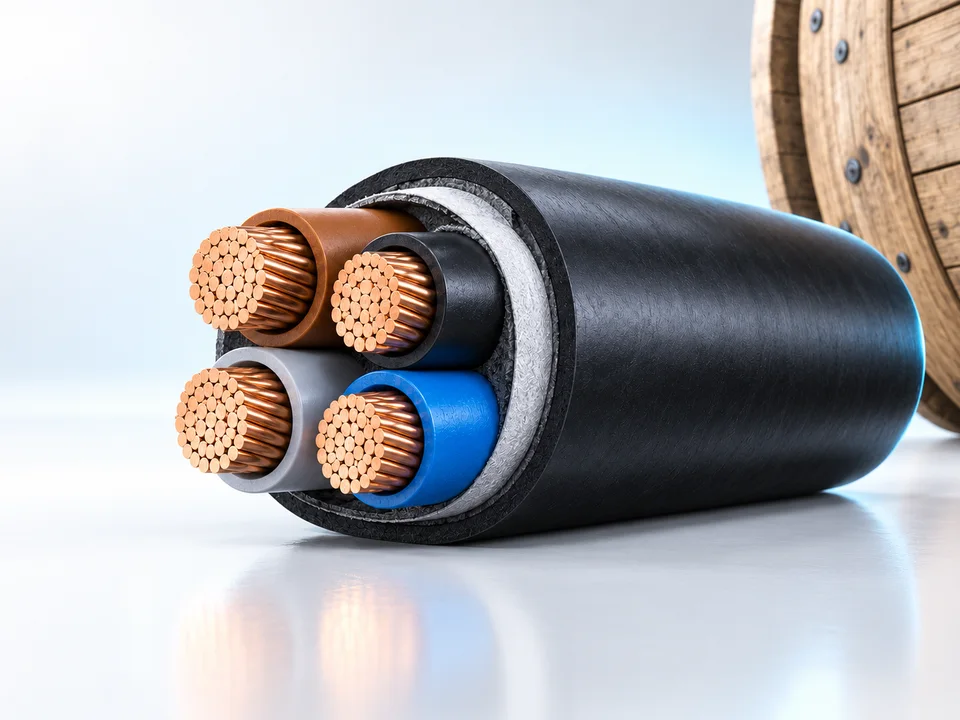
Corrosion resistance refers to a cable’s ability to maintain structural and electrical integrity when exposed to moisture, salts, chemicals, industrial atmospheres, soil contaminants, or coastal environments. It is commonly specified for underground installations, direct burial applications, offshore platforms, chemical plants, wastewater treatment facilities, mining operations, and coastal power distribution networks. Typical corrosion-resistant designs combine protective metallic coatings, corrosion-resistant armour materials, moisture-blocking layers, and chemically stable outer sheaths. Galvanized, zinc-aluminum alloy coated, or stainless steel armour may be used depending on environmental severity. Sheath materials such as HDPE, MDPE, CPE, CSPE, or specially formulated compounds can provide additional chemical and moisture protection. Key selection parameters include installation environment, soil chemistry, chloride exposure, pH level, temperature range, burial depth, armour type, sheath material, and compatibility with flame retardant or LSZH requirements. For international projects, corrosion-resistant cables may reference IEC 60502, IEC 60228, IEC 60332, IEC 60754, IEC 61034, IEC 60811, and applicable utility or project specifications. Manufacturers typically support type tests, routine tests, salt spray tests, chemical resistance tests, water absorption tests, sheath integrity tests, and third-party certification. Product selection should be matched to site conditions, expected service life, and long-term maintenance requirements.
China XINYA Power Cables Co., Ltd Email: [email protected] Email: [email protected] whatsapp: +86 15289885778 Website: https://www.power-cables.com
 Coming soon