Energy Storage Battery Modules: Technical Overview for ESS Integration
energy storage battery modules, LFP battery module, lithium iron phosphate battery module, ESS battery module, modular battery pack
By Xinya Power editorial team
Energy Storage Battery Modules: Technical Overview for ESS Integration
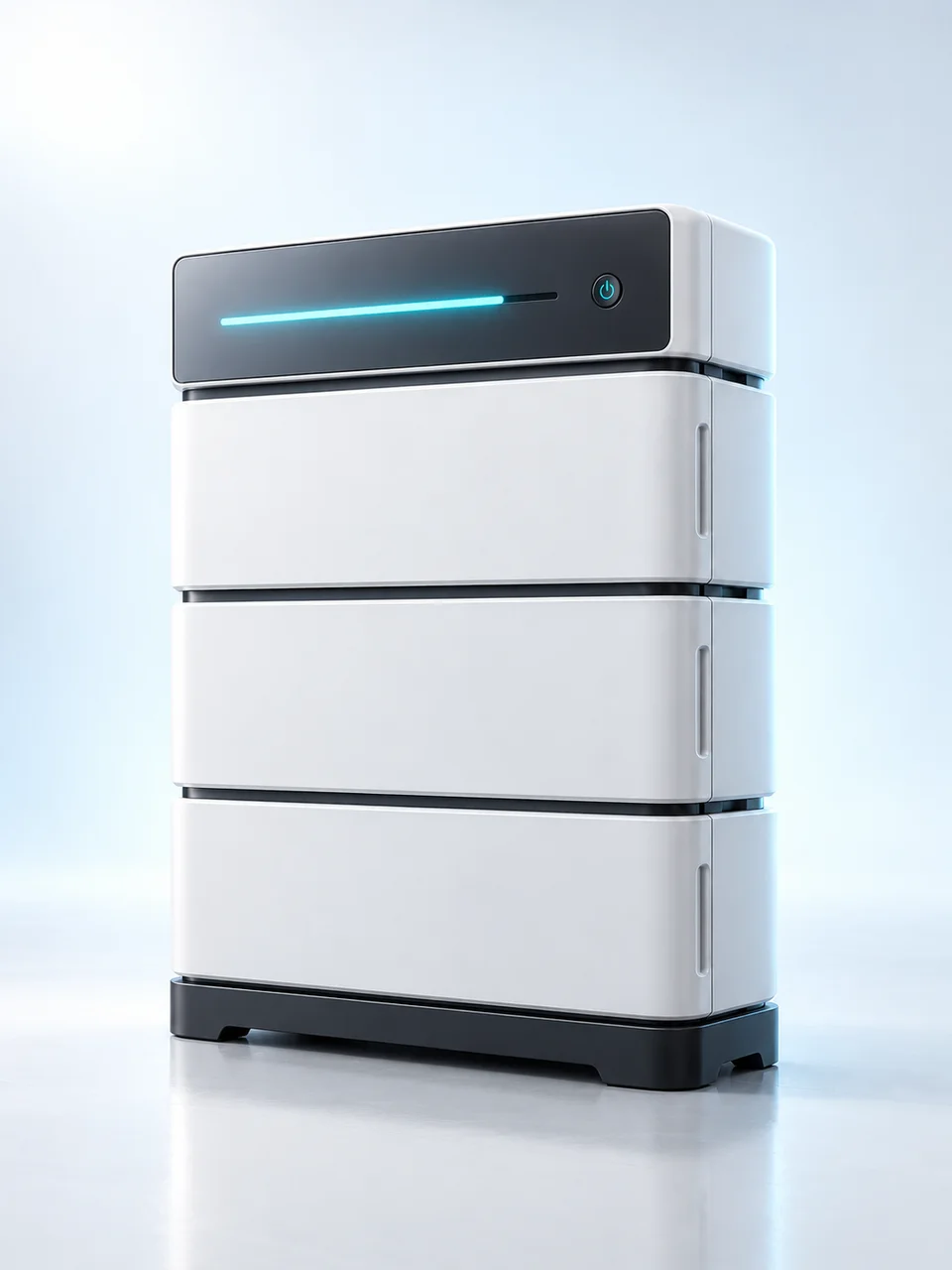
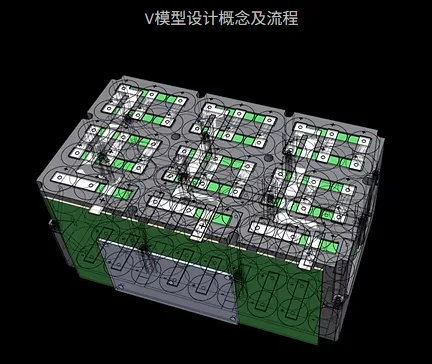
Energy storage battery modules are the core building blocks of lithium-ion energy storage systems. Each module integrates multiple lithium iron phosphate cells, a battery management system, structural housing, busbars, protection devices, and communication interfaces into one standardized unit. Modules are typically designed for rack-mounted, wall-mounted, stackable, or cabinet-integrated deployment. LFP chemistry is widely used in stationary energy storage because it provides stable thermal behavior, long cycle life, and strong safety characteristics compared with cobalt-based lithium-ion chemistries. A typical module may operate at a nominal voltage around 48 V or 51.2 V, with capacity ranging from a few kilowatt-hours to more than 10 kWh per unit, depending on cell configuration and application. The internal BMS monitors cell voltage, current, temperature, state of charge, and insulation status. It provides protection against overcharge, over-discharge, overcurrent, short circuit, and temperature faults. Cell balancing helps maintain voltage consistency across the pack and supports longer service life. Communication is commonly supported through CAN, RS485, or RS232 interfaces, allowing integration with hybrid inverters, PCS units, and energy management systems. Modular design enables flexible capacity expansion. Multiple modules can be connected in parallel or installed in standardized racks to meet residential, commercial, industrial, telecom, and microgrid requirements. Important technical parameters include nominal energy, nominal voltage, charge and discharge current, depth of discharge, cycle life, round-trip efficiency, operating temperature range, enclosure protection rating, and parallel connection capability. For international projects, module and pack design may reference IEC 62619 for industrial lithium battery safety, UL 1973 for stationary battery systems, UL 9540 for energy storage system safety, UL 9540A for thermal runaway fire propagation assessment, and UN 38.3 for transport safety. Proper module selection should consider inverter compatibility, BMS communication protocol, site environment, thermal management conditions, and long-term maintenance requirements. Keywords: energy storage battery modules, LFP battery module, lithium iron phosphate battery module, ESS battery module, modular battery pack
China XINYA Power Cables Co., Ltd Email: [email protected] whatsapp: +86 15289885778 Website: https://www.esspow.com