Energy Storage Transformer: Technical Overview for BESS Integration
energy storage transformer, BESS transformer, battery energy storage transformer, dry-type energy storage transformer, oil-immersed energy storage transformer
By Xinya Power editorial team
Energy Storage Transformer: Technical Overview for BESS Integration
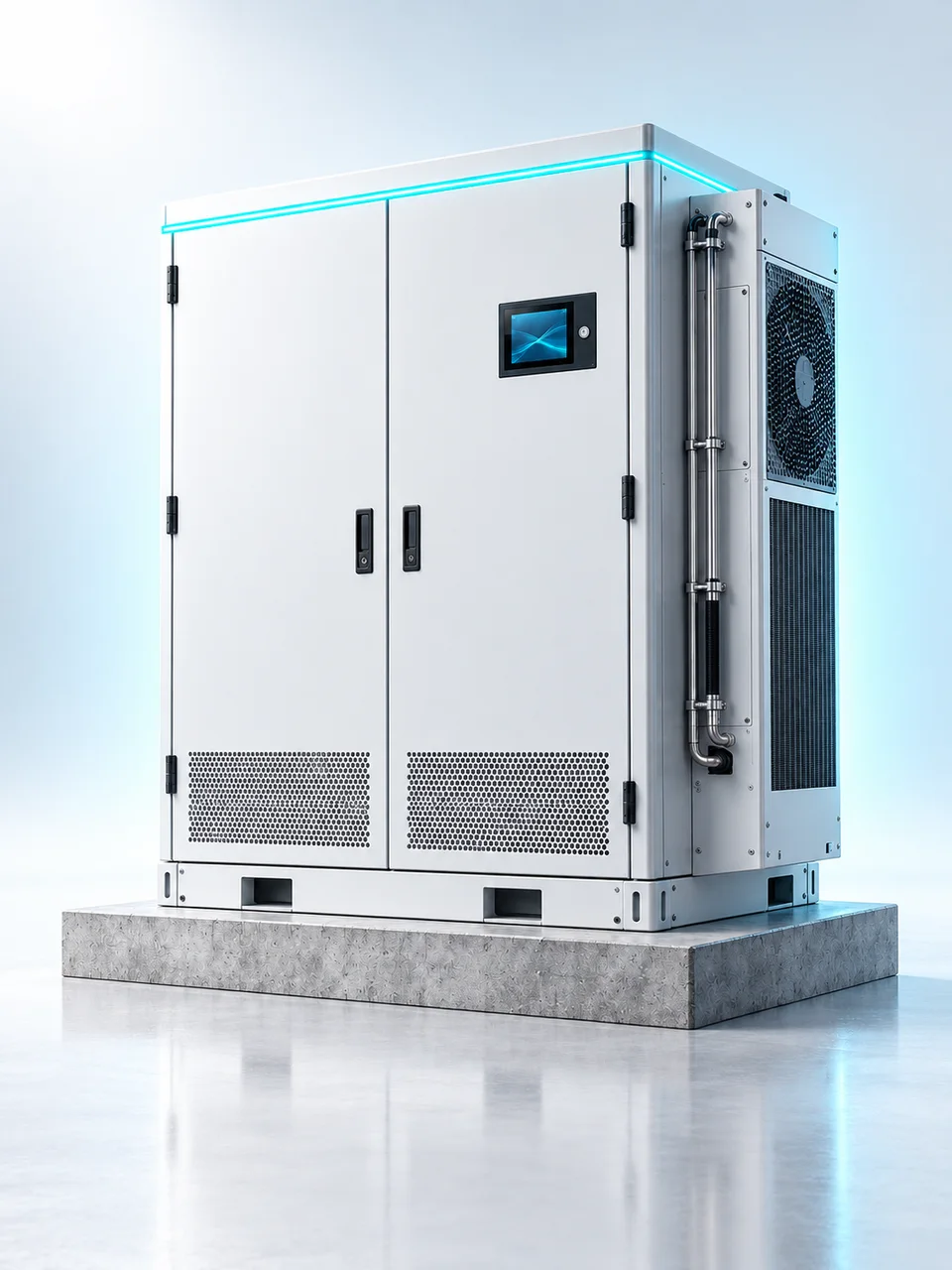
An energy storage transformer is a power transformer used between the power conversion system and the AC grid or local loads in a battery energy storage system. It provides voltage transformation, galvanic isolation, short-circuit protection, and grid interconnection capability for the PCS output. In a typical BESS configuration, the PCS converts DC power from battery modules into AC power, and the energy storage transformer steps the voltage up or down to match the site distribution network or utility grid. Common low-voltage configurations include 400 V, 480 V, and 690 V systems, while medium-voltage applications may use 10 kV, 15 kV, 20 kV, or 35 kV interconnection. The transformer may be installed as a standalone unit or integrated into a containerized BESS, skid-mounted station, or box-type substation. Energy storage transformers are available in dry-type and oil-immersed designs. Dry-type transformers are often selected for indoor, commercial, industrial, and containerized applications because they do not require oil containment and offer improved fire safety characteristics. Oil-immersed transformers are commonly used in outdoor utility-scale installations where higher capacity and long-term thermal performance are required. Because BESS operates with frequent bidirectional power flow, the transformer must be designed for continuous charge and discharge cycles rather than unidirectional load conditions. Capacity selection should consider the maximum PCS output power, overload requirements, harmonic content from power electronics, ambient temperature, cooling method, and expected operating hours. Key technical parameters include rated power, primary and secondary voltage, frequency, vector group, impedance, insulation class, cooling method, no-load loss, load loss, sound level, and enclosure protection rating. For systems with high harmonic content, winding configuration, electrostatic shielding, and short-circuit withstand capability should be evaluated carefully. For international projects, transformer evaluation may reference IEC 60076 for power transformers, IEC 60076-11 for dry-type transformers, IEEE C57 series for liquid-immersed and dry-type transformers, UL 1561 for dry-type distribution transformers in North American applications, and relevant grid interconnection standards such as IEEE 1547.
China XINYA Power Cables Co., Ltd Email: [email protected] whatsapp: +86 15289885778 Website: https://www.esspow.com