Flame Retardant Cable: Technical Overview for Fire Safety
flame retardant cable, IEC 60332 cable, LSZH flame retardant cable, fire retardant power cable, low smoke zero halogen cable
By Xinya Power editorial team
Flame Retardant Cable: Technical Overview for Fire Safety
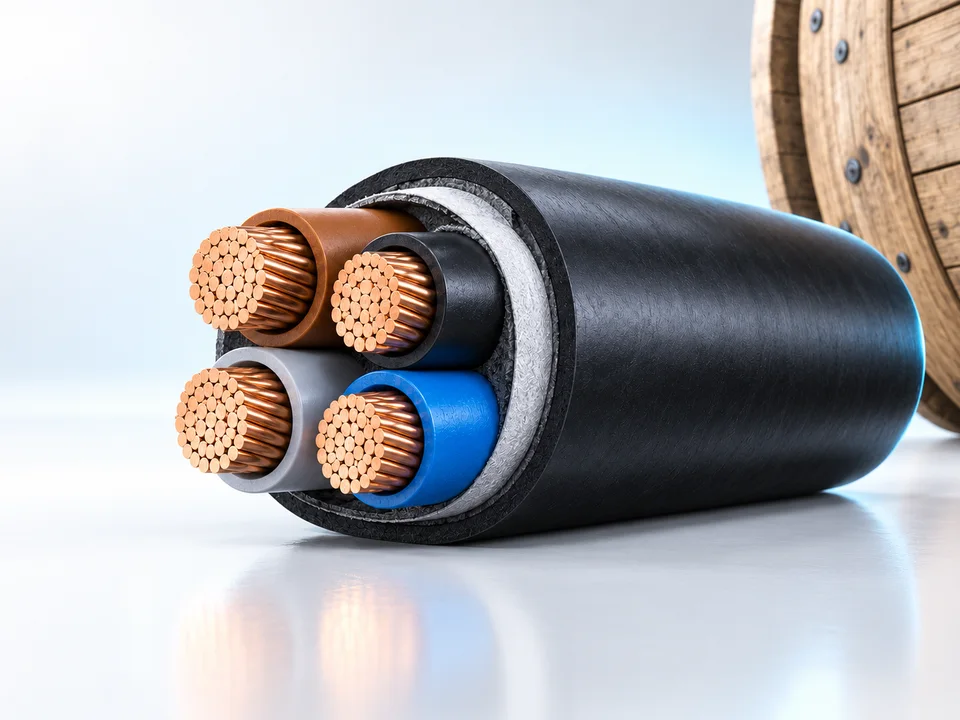
Flame retardant cable is designed to limit the spread of fire along a cable route and to self-extinguish once the ignition source is removed. It is widely used in commercial buildings, industrial plants, power stations, infrastructure projects, cable trays, ducts, and confined spaces where fire propagation control is required. Unlike fire resistant cable, which maintains circuit integrity during fire, flame retardant cable focuses on reducing flame spread and limiting fire development. Typical constructions use PVC, LSZH, or other flame-retardant compound sheaths and insulation materials, selected according to installation environment, smoke emission requirements, and local fire safety regulations. Key selection parameters include flame retardancy category, number of cores, conductor cross-section, rated voltage, sheath material, smoke density, halogen content, acidity, and installation method. For international projects, flame retardant cables may reference IEC 60332-1, IEC 60332-3, IEC 60754, IEC 61034, and applicable local building or electrical standards. Manufacturers typically support flame propagation tests, smoke density tests, acidity tests, halogen content tests, type tests, routine tests, and third-party certification. Cable selection should be matched to project specifications, bundling conditions, ventilation, and local fire code requirements.
China XINYA Power Cables Co., Ltd Email: [email protected] Email: [email protected] whatsapp: +86 15289885778 Website: https://www.power-cables.com