Grid-Tied Energy Storage: Technical Overview for Utility, Commercial, and Industrial Applications
grid-tied energy storage, grid-connected energy storage system, grid-tied ESS, grid-tied battery storage, grid-connected BESS
By Xinya Power editorial team
Grid-Tied Energy Storage: Technical Overview for Utility, Commercial, and Industrial Applications
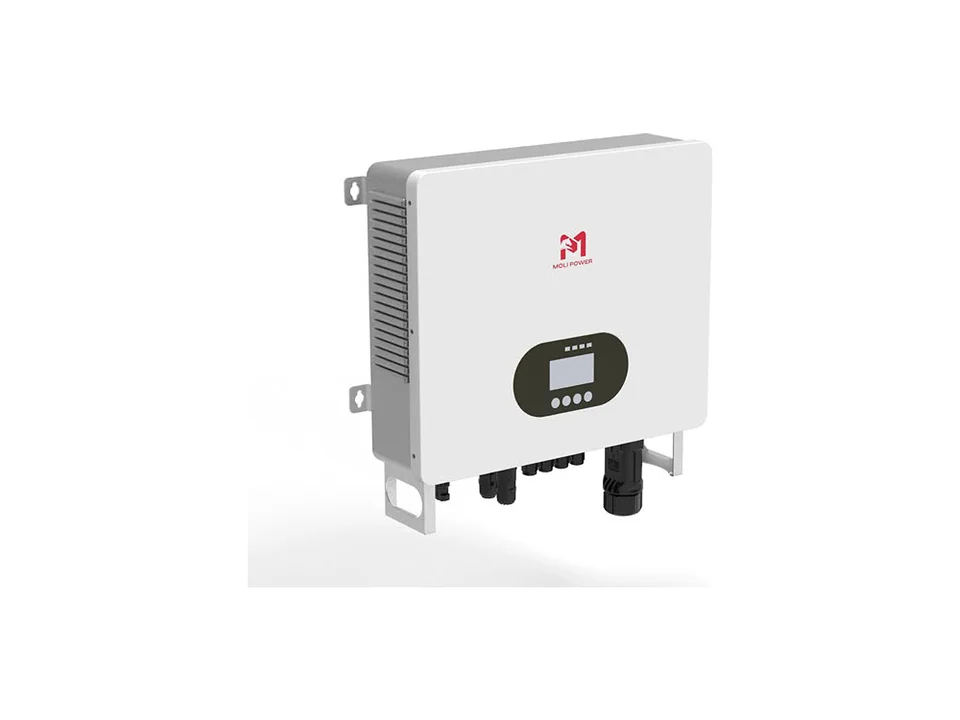
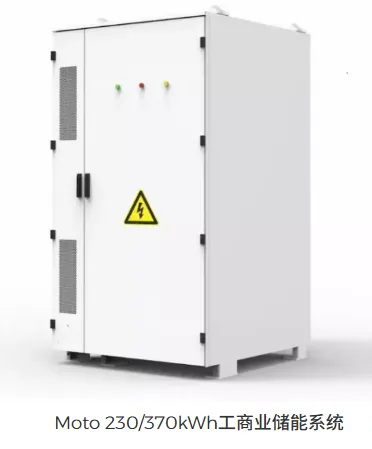
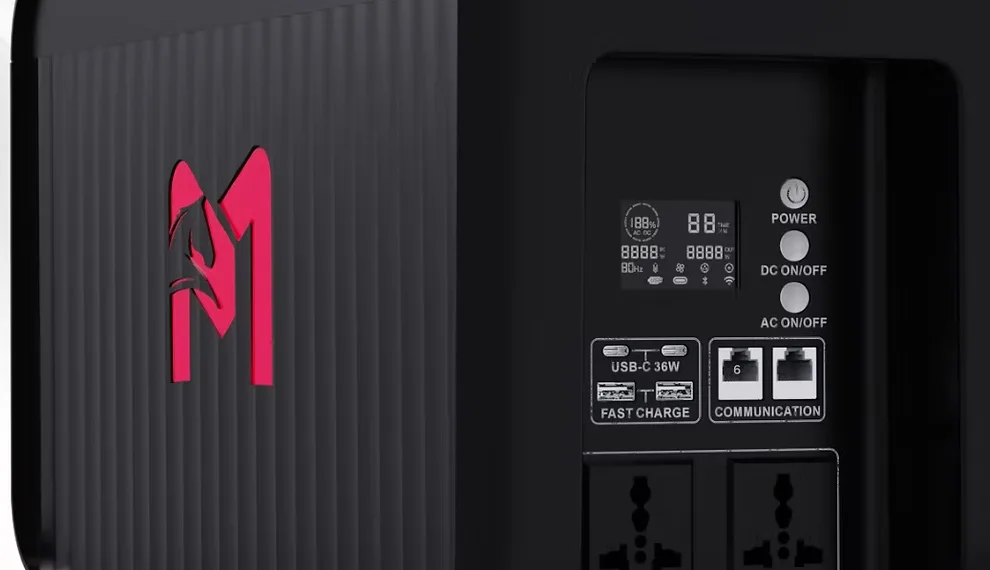
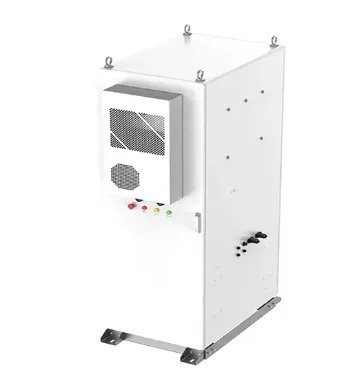
Grid-tied energy storage is an electrical energy storage system connected to the utility grid and operated in coordination with grid voltage, frequency, and dispatch requirements. Unlike off-grid systems, it does not create an independent AC supply by default; instead, it synchronizes with the grid and exchanges active and reactive power under defined control strategies. A typical grid-tied energy storage system includes a battery bank, battery management system, power conversion system, energy management system, protection devices, metering, communication interfaces, and grid interconnection equipment. The PCS performs bidirectional AC-DC conversion, while the EMS manages charging and discharging schedules based on load profiles, electricity pricing, renewable generation, and grid signals. The BMS monitors cell voltage, current, temperature, state of charge, and state of health to maintain safe battery operation. Common applications include peak shaving, demand charge management, frequency regulation, renewable energy smoothing, voltage support, energy time shifting, and backup power under grid-forming or microgrid configurations. Grid-following PCS designs synchronize with existing grid conditions, whereas grid-forming PCS designs can support voltage and frequency, especially in weak grids or islanded microgrids. Key technical parameters include rated AC power, rated energy capacity, DC voltage range, AC voltage and frequency, round-trip efficiency, response time, power factor range, THD, cycle life, depth of discharge, operating temperature range, cooling method, enclosure rating, and communication protocol. Grid interconnection design must address protection coordination, anti-islanding, fault ride-through, power quality, grounding, and communication with grid operators. Relevant standards may include IEEE 1547 for distributed energy resource interconnection, UL 1741 for inverter equipment safety, UL 9540 for energy storage system safety, UL 9540A for thermal runaway propagation assessment, IEC 62933 for electrical energy storage systems, and IEC 62619 for industrial lithium battery safety. Proper engineering requires coordination among electrical design, battery safety, thermal management, fire protection, site conditions, and commissioning procedures. Keywords: grid-tied energy storage, grid-connected energy storage system, grid-tied ESS, grid-tied battery storage, grid-connected BESS
China XINYA Power Cables Co., Ltd Email: [email protected] whatsapp: +86 15289885778 Website: https://www.esspow.com
 Coming soon