Inverter: Technical Overview for PV, Storage, and EV Charging Systems
inverter, PV inverter, hybrid inverter, string inverter, solar inverter
By Xinya Power editorial team
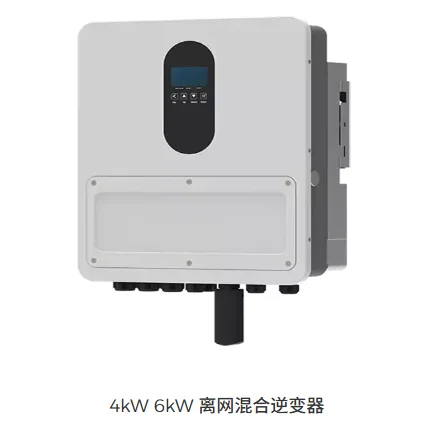
Inverter: Technical Overview for PV, Storage, and EV Charging Systems
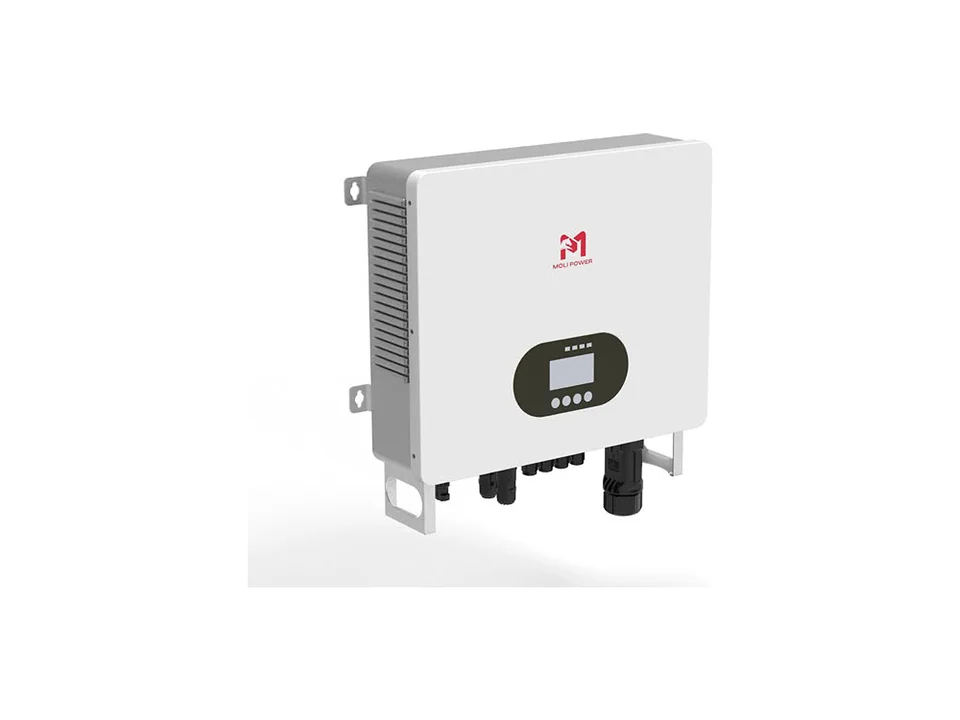
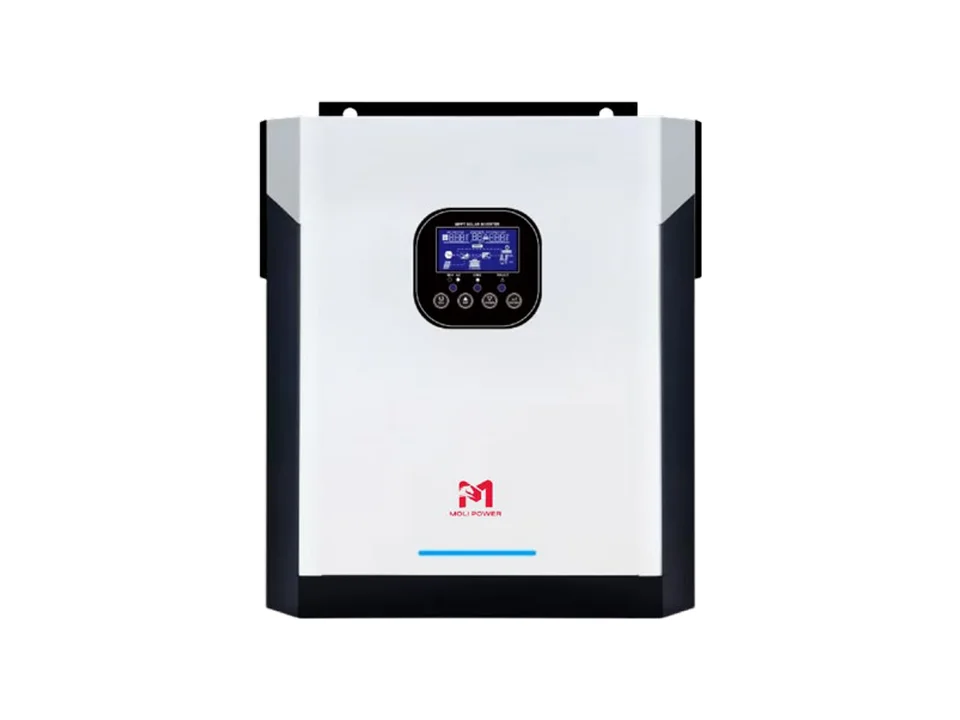
An inverter converts direct current into alternating current and manages power flow between generation, storage, loads, and the grid. In photovoltaic systems, it performs DC-AC conversion, maximum power point tracking, grid synchronization, protection, and monitoring. Main types include string inverters, central inverters, microinverters, hybrid inverters, and off-grid inverters. String inverters serve residential, commercial, and utility-scale projects. Central inverters are used in large ground-mounted plants. Microinverters provide module-level conversion. Hybrid inverters integrate PV, battery storage, and grid interaction. Key parameters include rated power, input voltage range, MPPT channels, efficiency, THD, protection functions, communication interfaces, and environmental rating. Inverter selection should consider system topology, battery compatibility, grid requirements, installation environment, and coordination with PV arrays, transformers, and switchgear. For international projects, inverters may reference IEC 62109 for safety, UL 1741 for North American markets, IEEE 1547 for grid interconnection, and applicable local electrical codes.
China XINYA Power Cables Co., Ltd Email: [email protected] whatsapp: +86 15289885778 Website: https://www.esspow.com
 Coming soon