Lithium Iron Phosphate (LFP): Technical Overview for Energy Storage and Industrial Applications
Lithium iron phosphate, LFP battery, LiFePO4 battery, LFP energy storage battery, industrial LFP battery
By Xinya Power editorial team
Lithium Iron Phosphate (LFP): Technical Overview for Energy Storage and Industrial Applications
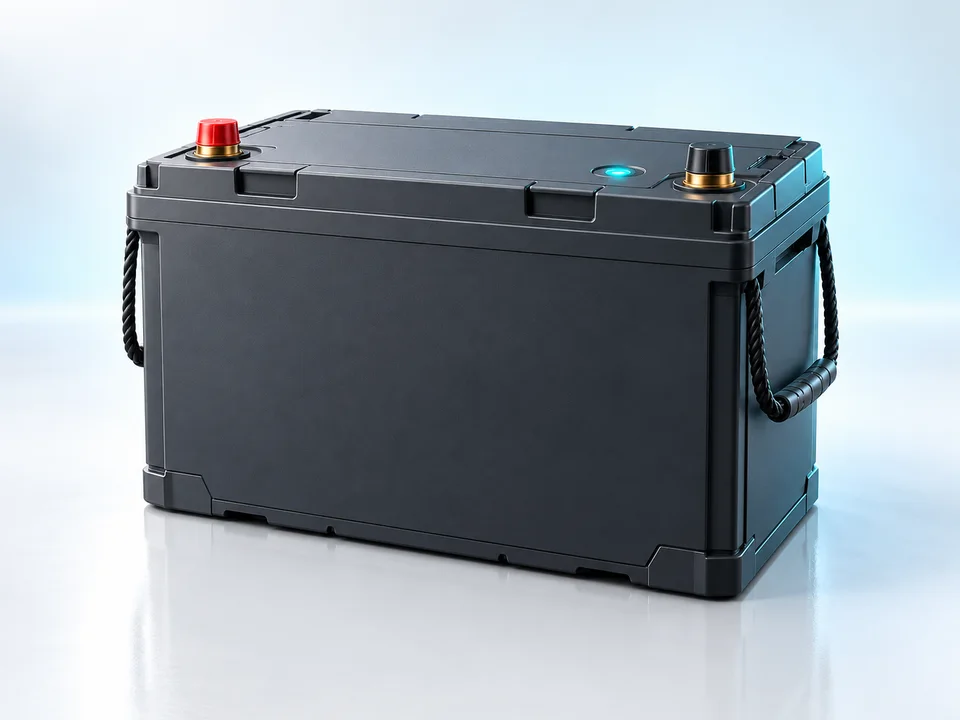
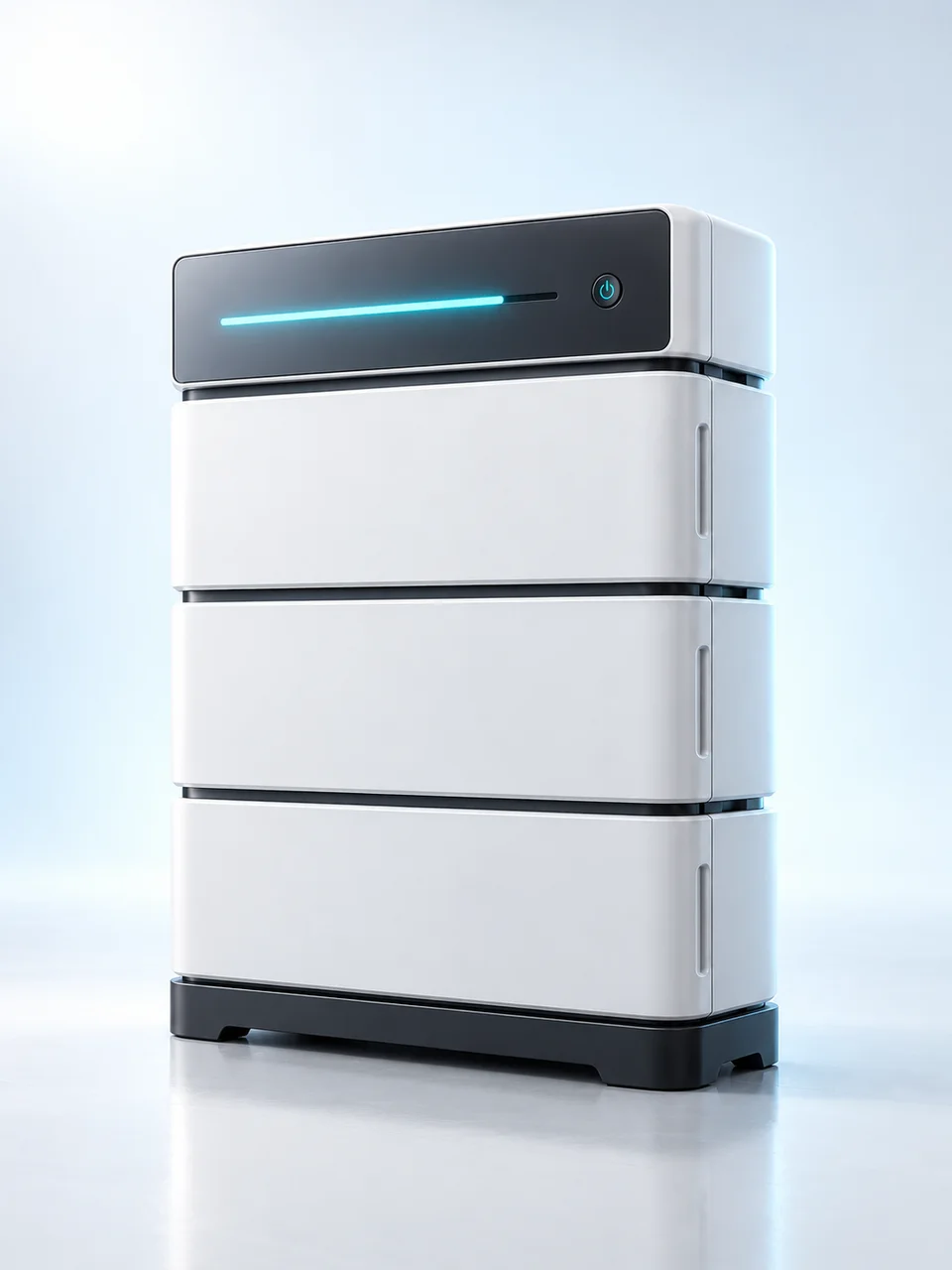
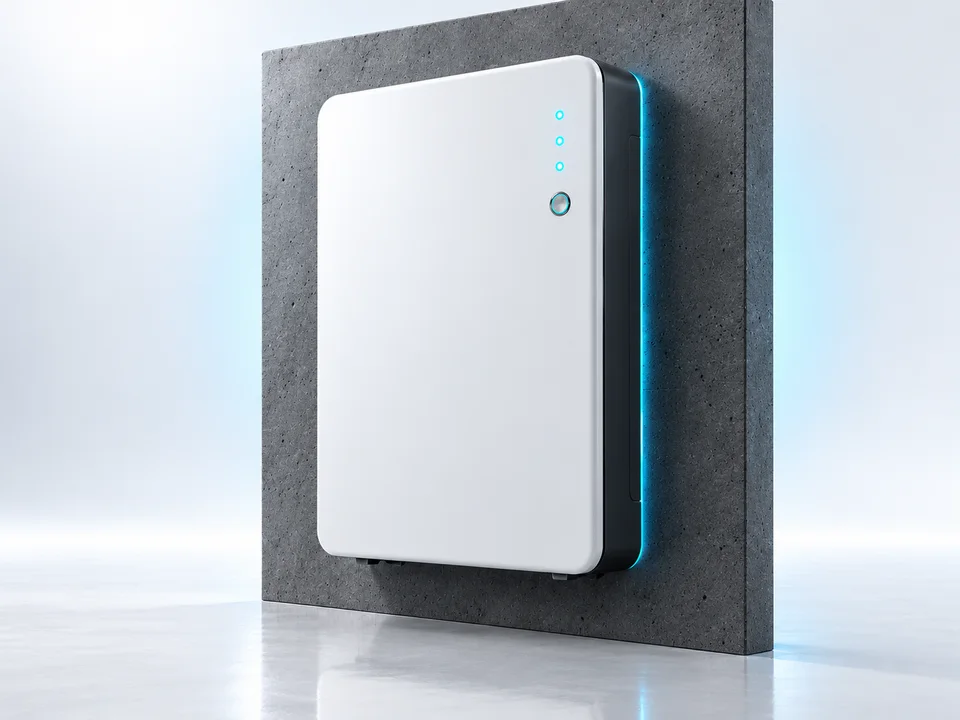
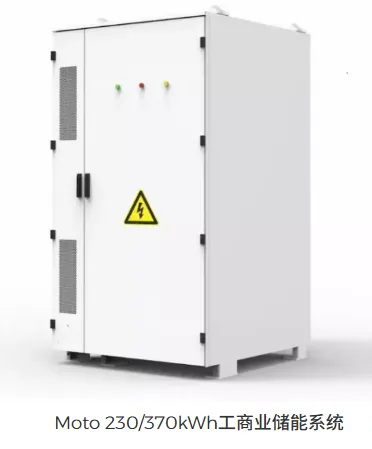
Lithium iron phosphate, commonly abbreviated as LFP, is a lithium-ion battery chemistry that uses LiFePO4 as the cathode material and graphite as the anode. Its nominal cell voltage is 3.2 V, with a typical charge cutoff voltage of 3.6 to 3.65 V and a discharge cutoff voltage of around 2.0 to 2.5 V, depending on cell design. LFP batteries are valued for their stable olivine crystal structure, which provides strong thermal stability, long cycle life, and consistent performance under repeated charge and discharge. Compared with nickel-rich chemistries such as NMC, LFP generally offers lower cell-level energy density but higher thermal runaway onset temperature and reduced heat release under abuse conditions. This makes LFP widely used in stationary energy storage systems, commercial and industrial installations, solar plus storage systems, UPS backup power, telecommunications, and certain mobility applications. Key technical parameters include rated capacity, nominal voltage, energy density, charge and discharge C-rate, depth of discharge, state of charge, state of health, cycle life, internal resistance, operating temperature range, and round-trip efficiency. LFP cells typically support high cycle counts, with many industrial cells rated for several thousand cycles at moderate depth of discharge. However, low-temperature charging requires careful management because lithium plating risk increases below 0 °C unless preheating or derated charging is applied. For system integration, LFP batteries require a battery management system to monitor voltage, current, temperature, insulation, and cell balance. Thermal management, enclosure protection, fire detection, and suppression interfaces remain necessary even though LFP is intrinsically more stable than some other lithium chemistries. Relevant standards include IEC 62619 for industrial lithium battery safety, UL 1973 for stationary battery systems, and UL 9540 for energy storage system safety. When selecting LFP cells or packs, evaluation should cover cell consistency, BMS protection logic, thermal management method, mechanical design, certification documentation, and compatibility with the intended power conversion and energy management architecture. Keywords: Lithium iron phosphate, LFP battery, LiFePO4 battery, LFP energy storage battery, industrial LFP battery
China XINYA Power Cables Co., Ltd Email: [email protected] whatsapp: +86 15289885778 Website: https://www.esspow.com