Outdoor Solar BC Modules: Technical Overview for Distributed and Utility Applications
outdoor solar BC modules, back contact solar module, BC photovoltaic module, high efficiency BC module, outdoor BC solar panel
By Xinya Power editorial team
Outdoor Solar BC Modules: Technical Overview for Distributed and Utility Applications
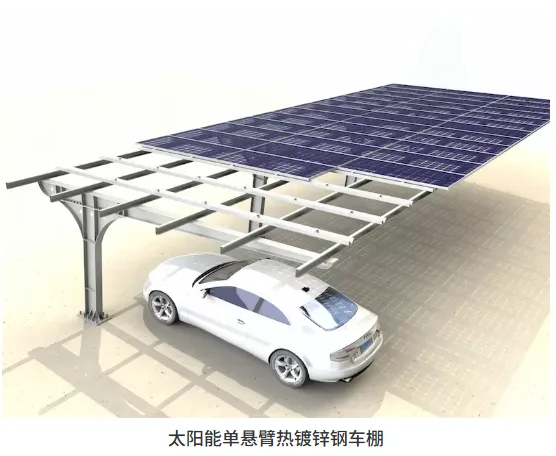
Outdoor solar BC modules are crystalline silicon photovoltaic modules based on back-contact cell architecture. In BC cells, the PN junction and all metal electrodes are placed on the rear side, leaving the front surface free of grid lines. This structure reduces front-side shading loss, increases effective light capture area, and supports higher module efficiency and uniform black appearance. BC is a platform technology rather than a single cell type. It can be combined with PERC, TOPCon, or HJT processes to form TBC, HBC, HPBC, ABC, and other variants. Commercial BC modules typically achieve module efficiencies above 23 percent, with advanced products exceeding 24 to 25 percent. Temperature coefficients are commonly around –0.26 to –0.27 percent per degree Celsius, which helps maintain output in high-temperature outdoor environments. Because BC cells relocate all contacts to the rear, module design must address rear-side insulation, interconnection layout, encapsulant selection, and moisture protection. Double-glass construction is often used to improve mechanical load resistance, PID performance, and long-term reliability. Recent BC products also aim to increase bifaciality, with many designs targeting 70 to 80 percent rear-side utilization. BC modules are suitable for residential rooftops, commercial and industrial buildings, BIPV facades, carports, and utility-scale plants where land efficiency, shading resilience, and appearance matter. Their electrical topology can reduce power loss under partial shading and limit hotspot risk compared with conventional front-contact modules. For international projects, outdoor BC modules may reference IEC 61215 for design qualification, IEC 61730 for module safety, UL 61730 or UL 1703 for North American markets, IEC 62788 for encapsulant evaluation, and IEC 61701 for salt mist corrosion testing. Product selection should verify datasheet parameters, certification scope, warranty terms, and compatibility with inverters, mounting systems, and site conditions.
China XINYA Power Cables Co., Ltd Email: [email protected] whatsapp: +86 15289885778 Website: https://www.esspow.com