Power Inverter: Technical Overview for Industrial, Commercial, and Energy Storage Applications
power inverter, inverter, hybrid inverter, grid-tied inverter, off-grid inverter
By Xinya Power editorial team
Power Inverter: Technical Overview for Industrial, Commercial, and Energy Storage Applications
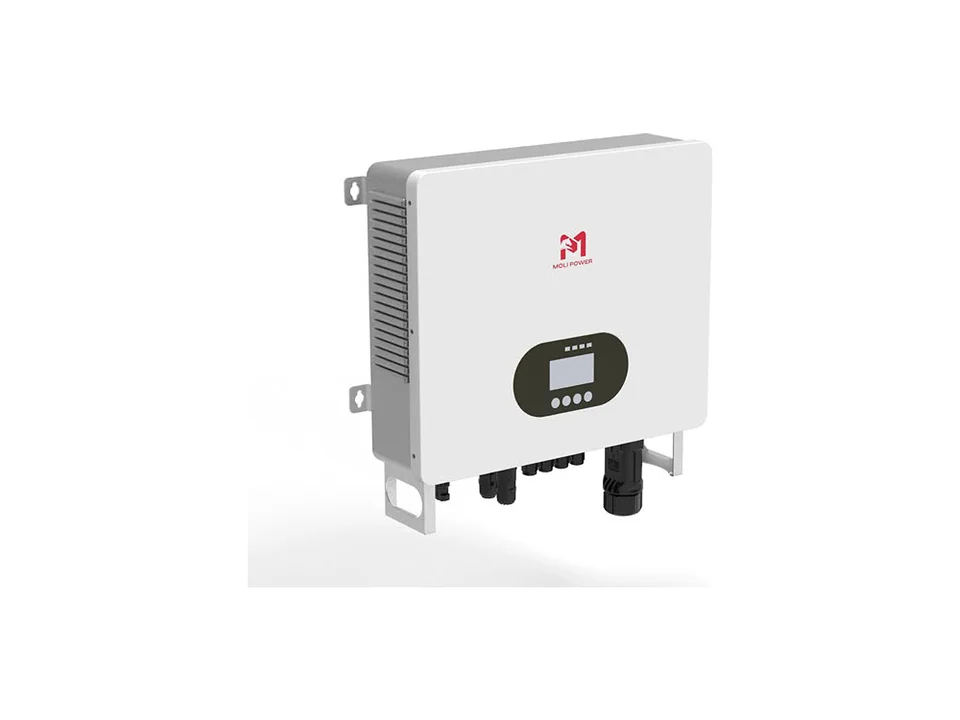
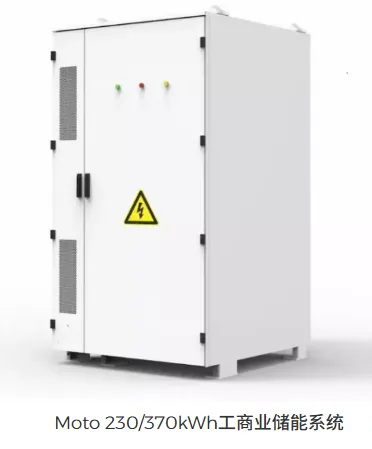
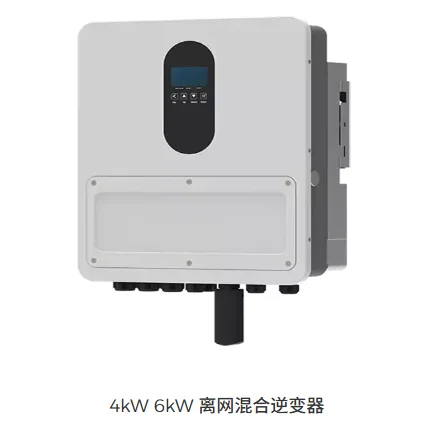
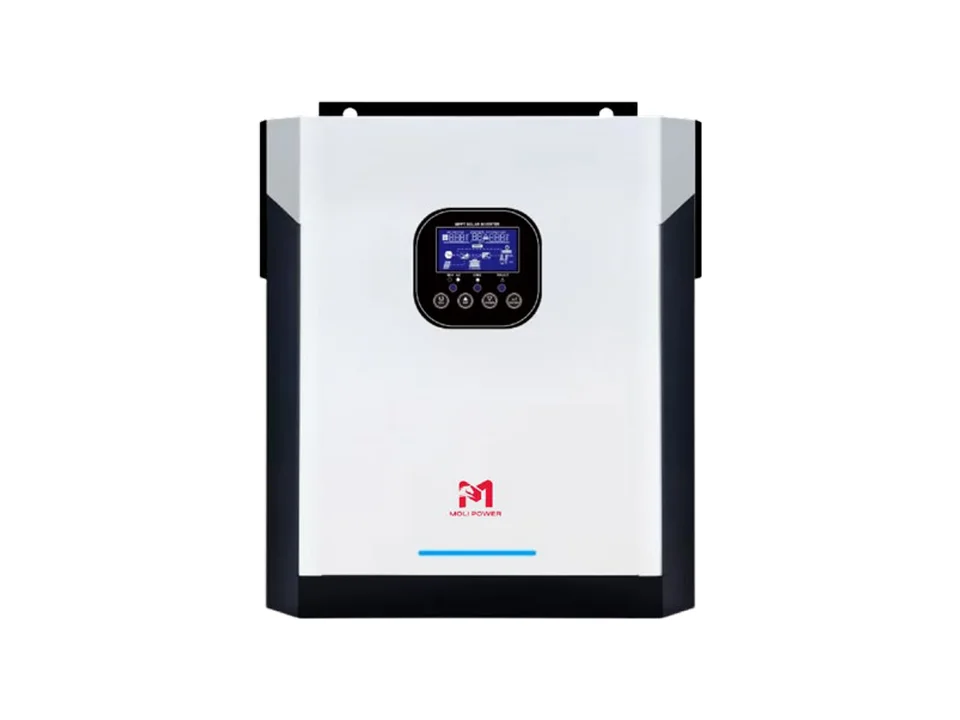
A power inverter is an electronic device that converts direct current into alternating current, enabling DC sources such as batteries, photovoltaic arrays, or DC bus systems to supply AC loads or connect to the utility grid. It is a core power conversion component in solar energy systems, battery energy storage systems, uninterruptible power supplies, industrial power supplies, and off-grid or microgrid installations. Modern inverters typically use insulated-gate bipolar transistors or MOSFETs as switching devices, controlled by pulse-width modulation or space vector modulation to shape the output waveform. Output quality is commonly evaluated by total harmonic distortion, voltage regulation accuracy, frequency stability, and transient response. Pure sine wave output is preferred for sensitive loads, while modified sine wave or square wave outputs are limited to simple resistive applications. Inverters can be classified by application and architecture. Grid-tied inverters synchronize with the utility grid and must meet anti-islanding, voltage-frequency ride-through, and power quality requirements. Off-grid inverters operate independently and usually form AC voltage for local loads. Hybrid inverters integrate PV input, battery management, and AC output in one unit. Bidirectional inverters, often referred to as PCS in energy storage systems, support both charging and discharging between DC battery banks and AC networks. Key technical parameters include rated AC power, DC input voltage range, AC output voltage and frequency, maximum efficiency, weighted efficiency, power factor range, THD, protection class, cooling method, and communication protocol. For grid-connected systems, relevant standards may include IEC 62109 for power converter safety, UL 1741 for inverter and interconnection equipment safety, and IEEE 1547 for grid interconnection performance. Proper inverter selection should consider source characteristics, load type, grid requirements, environmental conditions, protection coordination, and compatibility with batteries, PV modules, transformers, and energy management systems. Keywords: power inverter, inverter, hybrid inverter, grid-tied inverter, off-grid inverter
China XINYA Power Cables Co., Ltd Email: [email protected] whatsapp: +86 15289885778 Website: https://www.esspow.com
 Coming soon