PV Modules / Solar Panels: Technical Overview for Solar Power Systems
PV modules, solar panels, monocrystalline solar panel, photovoltaic module, crystalline silicon solar panel
By Xinya Power editorial team
PV Modules / Solar Panels: Technical Overview for Solar Power Systems
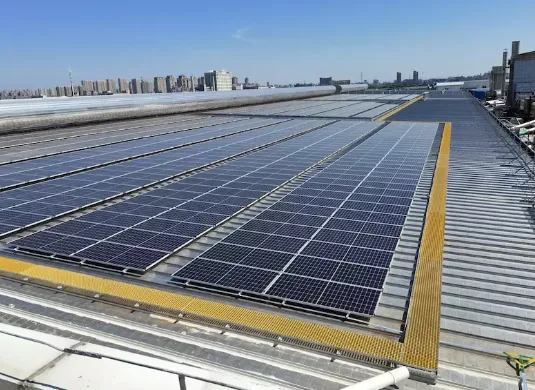
PV modules, commonly called solar panels, are the primary power generation units in photovoltaic systems. Each module consists of multiple solar cells encapsulated between tempered glass and a protective backsheet, framed with aluminum, and equipped with a junction box containing bypass diodes. The cells convert sunlight into direct current electricity through the photovoltaic effect. Crystalline silicon modules dominate the market and are classified into monocrystalline and polycrystalline types. Monocrystalline modules use single-crystal silicon wafers and typically achieve conversion efficiency in the range of 20% to 23%, making them suitable for space-constrained installations. Polycrystalline modules use multi-crystal silicon and generally offer lower efficiency, around 15% to 18%, at a lower cost per watt. N-type technologies such as TOPCon and HJT are increasingly adopted for higher efficiency and lower degradation rates. Key technical parameters include rated power under standard test conditions, open-circuit voltage, short-circuit current, maximum power voltage and current, module efficiency, temperature coefficient of power, and maximum system voltage. Mechanical parameters include dimensions, weight, frame type, cable length, and connector type. Modules are rated for mechanical load resistance, typically tested to withstand wind and snow loads up to 5400 Pa. Reliability and safety are verified through international standards. IEC 61215 covers design qualification and type approval, including thermal cycling, humidity-freeze, mechanical load, UV exposure, and PID testing. IEC 61730 addresses electrical and fire safety, defining construction requirements and test methods for shock and fire hazard protection. For North American markets, UL 61730 is the applicable safety standard, replacing the earlier UL 1703. Module selection should consider site irradiance, temperature conditions, mounting structure, inverter voltage window, shading analysis, and compatibility with the overall system design. Proper electrical matching between modules, strings, and inverters is essential for optimal energy yield and long-term reliability. Keywords: PV modules, solar panels, monocrystalline solar panel, photovoltaic module, crystalline silicon solar panel
China XINYA Power Cables Co., Ltd Email: [email protected] whatsapp: +86 15289885778 Website: https://www.esspow.com