Residential Energy Storage System: Technical Overview for Home Solar and Backup Power
residential energy storage system, home battery storage, hybrid inverter battery system, residential ESS, home solar battery storage
By Xinya Power editorial team
Residential Energy Storage System: Technical Overview for Home Solar and Backup Power
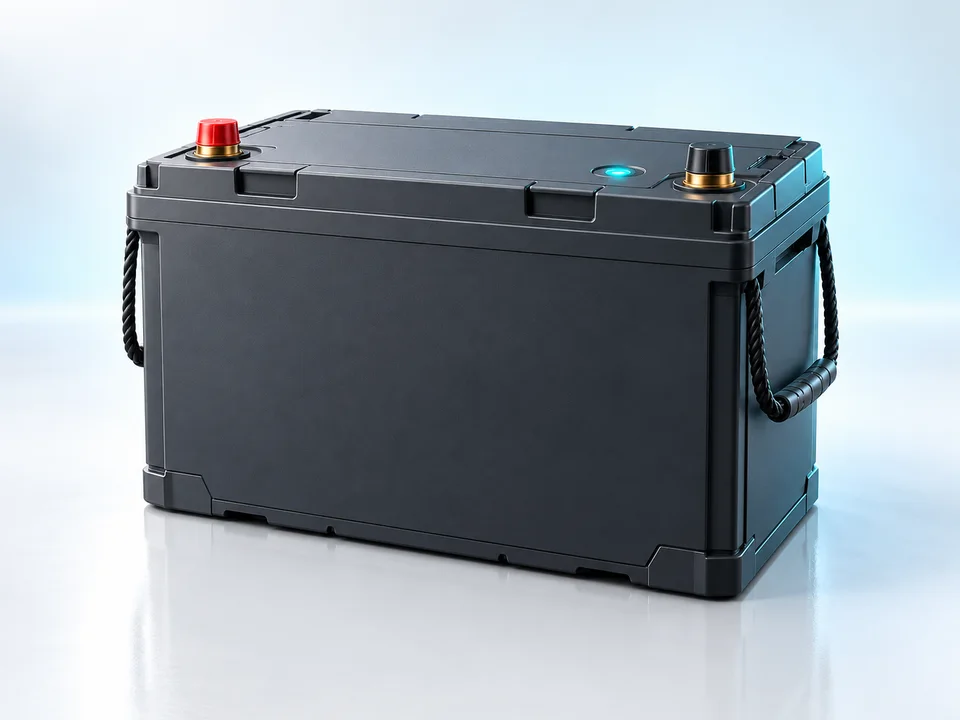
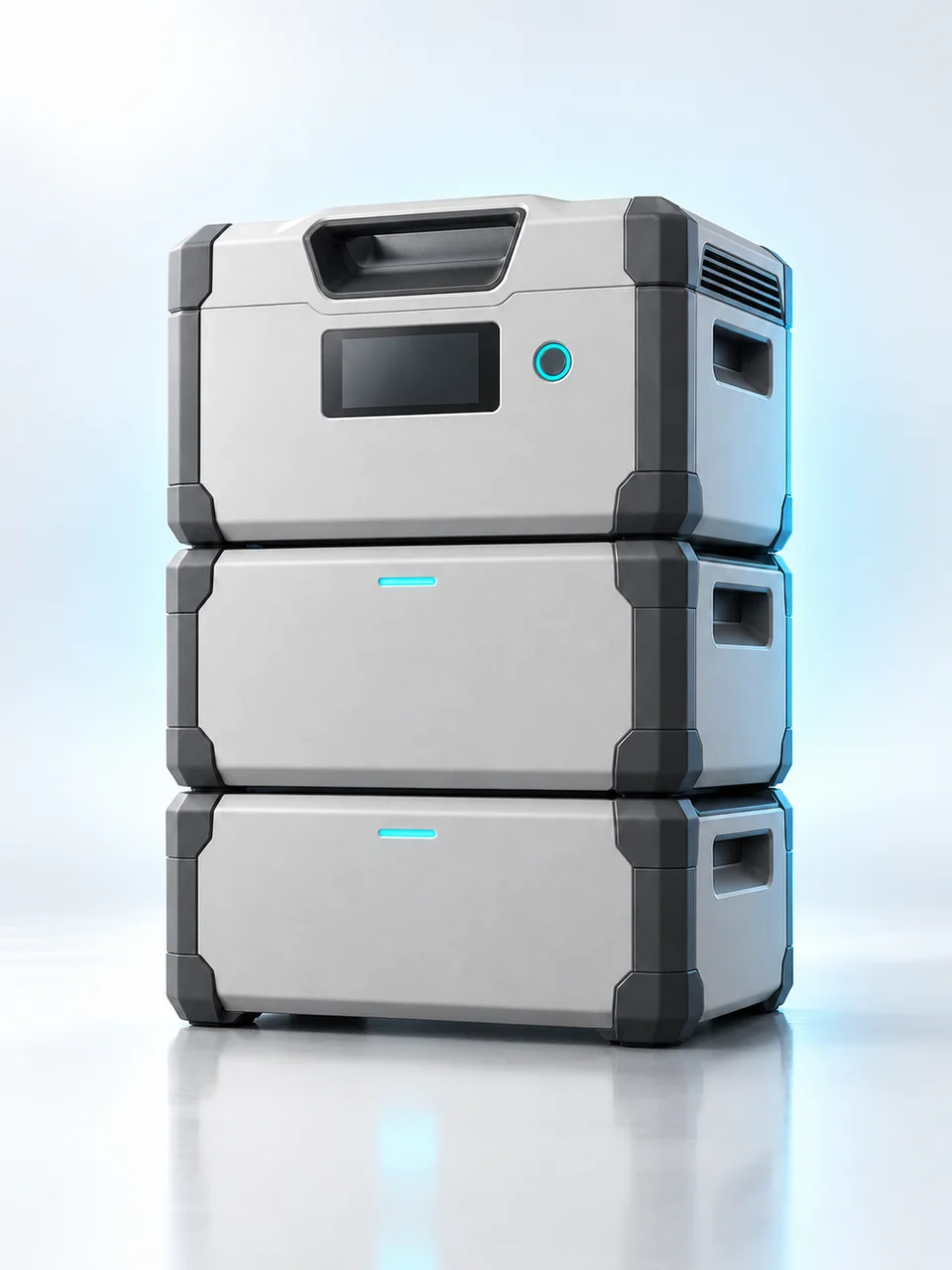
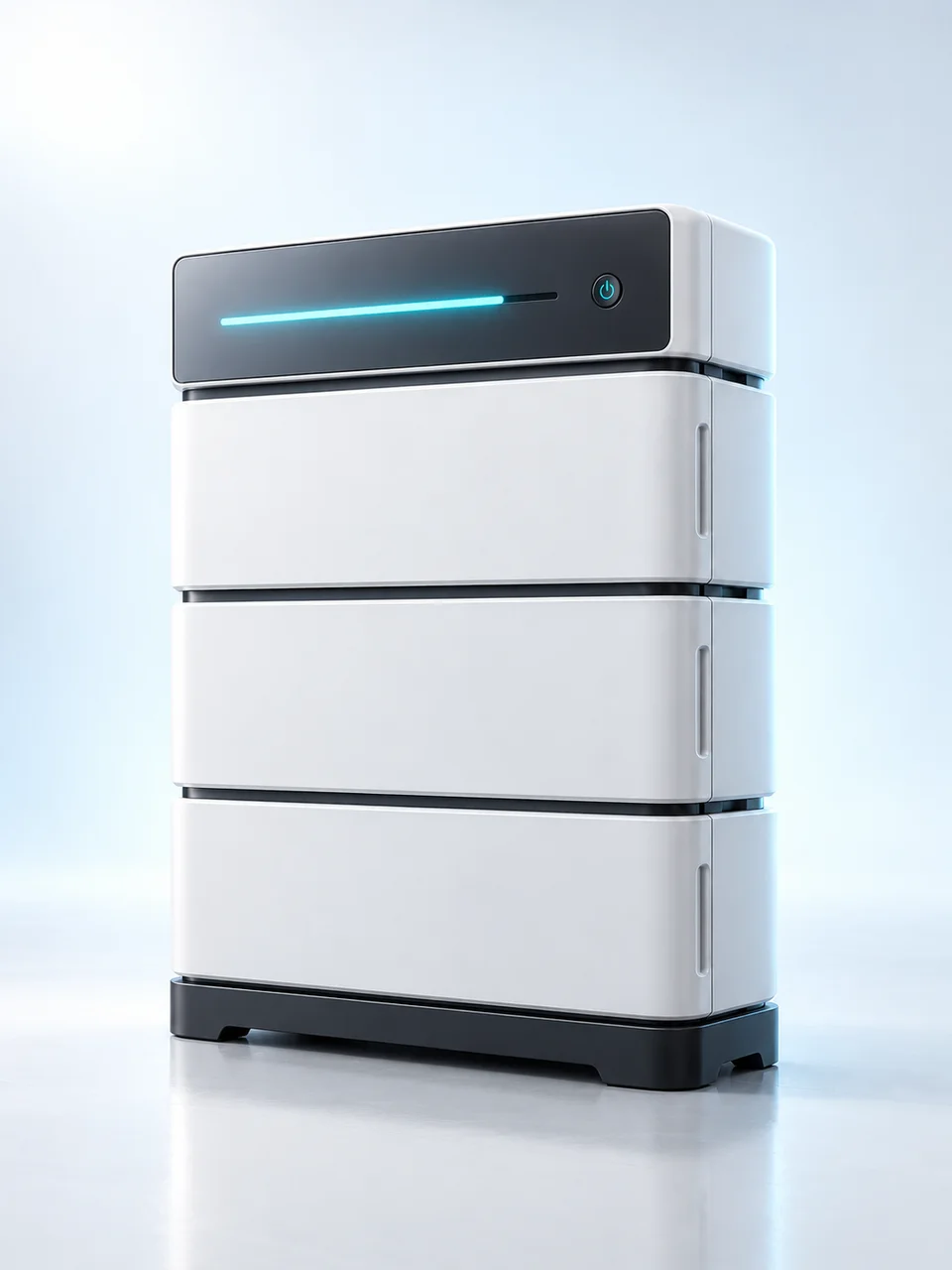
A residential energy storage system is a home-side battery energy storage solution designed to work with rooftop solar PV, the utility grid, backup loads, or off-grid power systems. It typically integrates lithium iron phosphate battery modules, a battery management system, a hybrid inverter or battery inverter, an energy management system, thermal management, protection devices, and monitoring software into one coordinated architecture. The battery pack is usually based on LFP chemistry because of its stable thermal behavior, long cycle life, and suitability for daily cycling in residential environments. A residential system commonly provides usable energy from about 5 kWh to 30 kWh, depending on household load, PV size, backup requirements, and installation space. Battery modules are monitored by a BMS that controls cell voltage, current, temperature, state of charge, and state of health, and provides protection against overcharge, over-discharge, overcurrent, short circuit, and temperature faults. The hybrid inverter manages PV input, battery charging and discharging, AC output, grid connection, and backup transfer. It typically includes MPPT control for solar arrays, anti-islanding protection, and communication with the BMS and EMS. Residential systems may be configured as DC-coupled, AC-coupled, all-in-one, or modular stackable designs. DC-coupled systems connect the PV array and battery on the DC side for higher conversion efficiency, while AC-coupled systems allow retrofit integration with existing solar inverters. Common operating modes include self-consumption, time-of-use optimization, backup power, off-grid operation, and PV surplus storage. The EMS schedules charge and discharge based on solar generation, household consumption, electricity tariffs, grid conditions, and user preferences. Thermal management may use passive cooling, air cooling, or liquid cooling, depending on system size and enclosure design. For indoor or garage installation, noise level, ventilation, clearances, and enclosure protection rating should be carefully evaluated. For international projects, residential energy storage systems may reference UL 9540 for system-level safety, UL 1973 for stationary battery safety, UL 9540A for thermal runaway fire propagation assessment, IEC 62619 for industrial lithium battery safety, and IEC 62109 for inverter safety. North American installations may also need to comply with UL 1741 and IEEE 1547 for grid interconnection, while European and Australian markets may follow region-specific installation and grid codes. System selection should consider daily energy consumption, critical load power, PV array size, backup duration, inverter power rating, battery chemistry, cycle life, depth of discharge, communication protocol, installation environment, and local grid requirements. Keywords: residential energy storage system, home battery storage, hybrid inverter battery system, residential ESS, home solar battery storage
China XINYA Power Cables Co., Ltd Email: [email protected] whatsapp: +86 15289885778 Website: https://www.esspow.com