Solar Ground Mounting System: Technical Overview for Utility and C&I PV Projects
solar ground mounting system, ground mount solar structure, PV ground mounting system, utility-scale solar mounting, solar pile mounting system
By Xinya Power editorial team
Solar Ground Mounting System: Technical Overview for Utility and C&I PV Projects
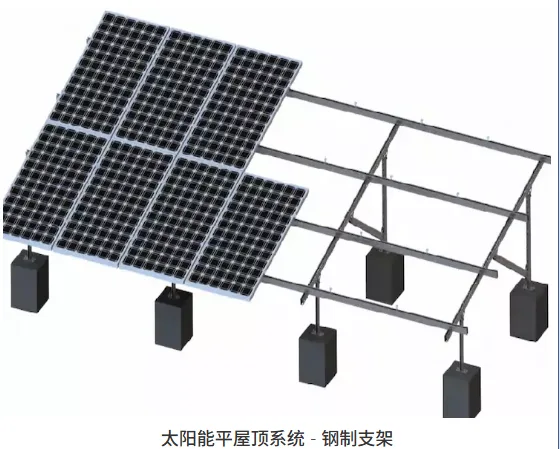
A solar ground mounting system is a structural framework used to support photovoltaic modules in open-field, industrial, and commercial installations. Unlike rooftop solutions, ground-mounted systems allow more flexible orientation, tilt angle, and array spacing, making them suitable for utility-scale plants, industrial parks, solar carports, and PV-coupled energy storage sites. Common foundation types include driven piles, screw piles, concrete footings, and ballasted bases. The selection depends on soil conditions, geotechnical reports, wind and snow loads, construction method, and environmental requirements. Driven piles are widely used in large projects because they provide stable load transfer and fast installation. Screw piles reduce concrete use and are suitable for sites with limited excavation. Ballasted systems may be adopted where ground penetration is restricted. The main components include piles or foundations, posts, main beams, purlins, module clamps, grounding hardware, and drainage or corrosion protection elements. Structural materials are usually hot-dip galvanized steel, aluminum alloy, or a combination of both. Design must consider wind uplift, snow accumulation, seismic action, thermal expansion, corrosion resistance, and long-term maintenance access. Array layout should balance land use, shading loss, installation cost, and O&M requirements. Row spacing is determined by module size, tilt angle, latitude, and minimum shading criteria. In PV-storage projects, the ground mounting layout should also coordinate with inverter stations, transformer pads, cable trenches, earthing grids, and fire access roads. For international projects, ground mounting systems may reference ASCE 7 for structural loads, IBC for building and structural code compliance, UL 2703 for mounting and grounding devices for PV modules, IEC 61215 for PV module qualification, and local wind, snow, seismic, and geotechnical standards. Product evaluation should consider foundation type, material specification, corrosion protection, design wind speed, soil adaptability, installation method, and compatibility with module dimensions.
China XINYA Power Cables Co., Ltd Email: [email protected] whatsapp: +86 15289885778 Website: https://www.esspow.com