Solar Inverter: Technical Overview for PV Power Conversion
solar inverter, PV inverter, string inverter, hybrid inverter, solar power inverter
By Xinya Power editorial team
Solar Inverter: Technical Overview for PV Power Conversion
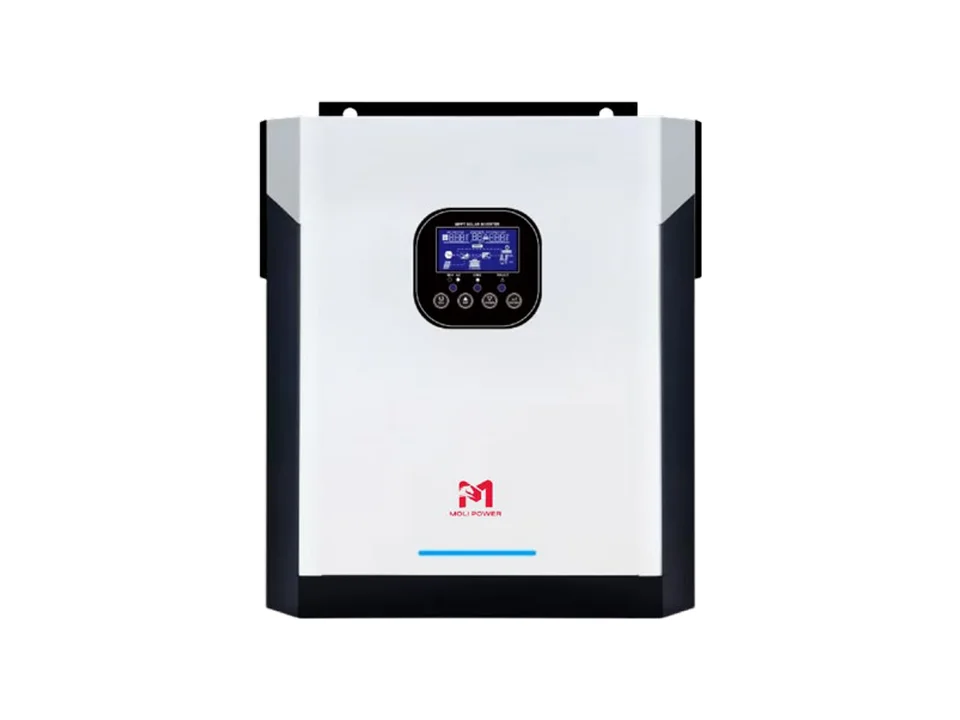
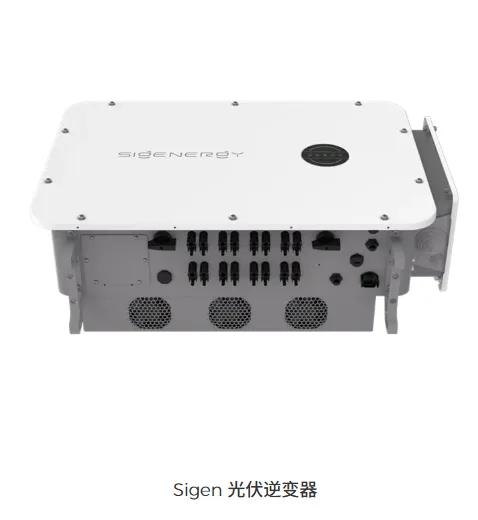
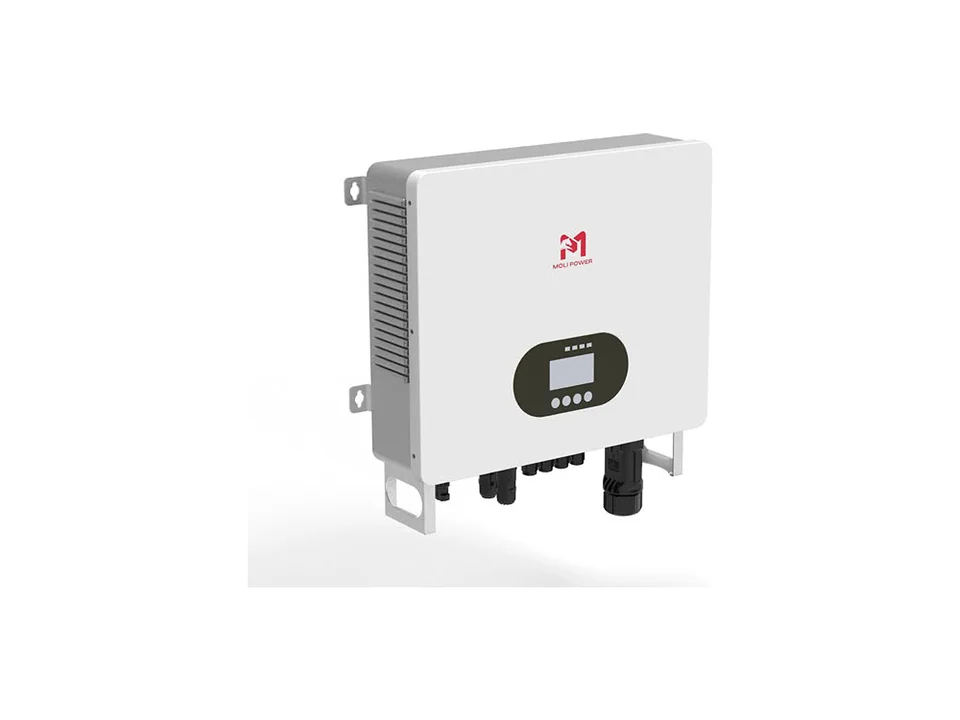
A solar inverter converts direct current from photovoltaic modules into alternating current for local loads or grid connection. It is one of the key power conversion devices in PV systems, responsible for maximum power point tracking, voltage and frequency control, grid synchronization, and system protection. Common types include string inverters, central inverters, microinverters, and hybrid inverters. String inverters are widely used in residential, commercial, and industrial systems, offering multiple MPPT channels for different module orientations or shading conditions. Central inverters are typically applied in utility-scale plants, where high power density and centralized maintenance are required. Microinverters operate at module level and reduce mismatch losses. Hybrid inverters integrate PV conversion with battery charging and discharging functions, supporting self-consumption and backup power applications. Key technical parameters include rated AC power, maximum DC input voltage, MPPT voltage range, number of MPPT channels, maximum input current per channel, rated AC voltage and frequency, total harmonic distortion, power factor range, and efficiency. Efficiency should be evaluated using both maximum efficiency and weighted efficiency, because inverters often operate under partial load conditions. MPPT tracking accuracy and response speed also affect energy yield, especially under rapidly changing irradiance. Safety and grid compliance functions include anti-islanding protection, overvoltage and undervoltage protection, overfrequency and underfrequency protection, DC reverse polarity protection, insulation monitoring, residual current detection, surge protection, and arc fault detection. Relevant standards may include IEC 62109 for inverter safety, IEC 60364-7-712 for PV system installation, and local grid interconnection requirements. Proper selection depends on module configuration, string voltage, site environment, grid requirements, communication needs, and whether battery storage will be added. Installation planning should consider ventilation, shading, cable routing, grounding, protection coordination, and maintenance access. Keywords: solar inverter, PV inverter, string inverter, hybrid inverter, solar power inverter
China XINYA Power Cables Co., Ltd Email: [email protected] Email: [email protected] whatsapp: +86 15289885778 Website: https://www.esspow.com
 Coming soon