Solar Panels and Accessories: Technical Overview for PV System Components
solar panels and accessories, PV module and accessories, solar panel components, photovoltaic system accessories, solar panel mounting and cable accessories
By Xinya Power editorial team
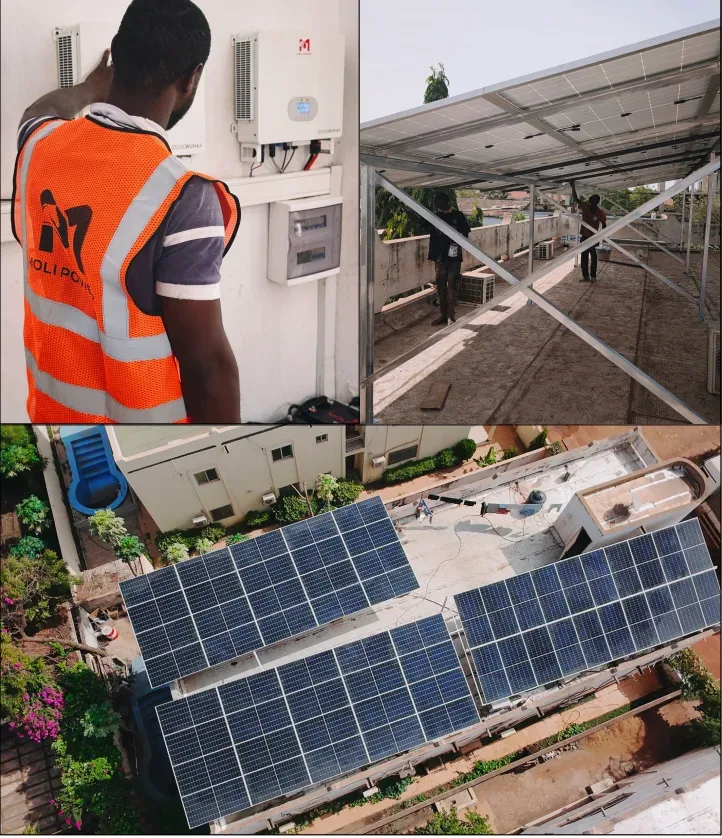
Solar Panels and Accessories: Technical Overview for PV System Components
Solar panels and accessories form the core hardware layer of photovoltaic systems. Solar panels convert sunlight into direct current electricity, while accessories provide mechanical support, electrical connection, protection, monitoring, and system integration. These components are used in residential, commercial, industrial, utility-scale, and off-grid installations. Solar panels are typically classified as monocrystalline, polycrystalline, or thin-film modules. Monocrystalline modules generally offer higher conversion efficiency and better space utilization. Polycrystalline modules are often selected for cost-sensitive projects. Thin-film modules may be used where lightweight or flexible installation is required. Key module parameters include rated power, module efficiency, voltage and current at maximum power point, open-circuit voltage, short-circuit current, temperature coefficients, power tolerance, degradation rate, and mechanical load rating. Common accessories include inverters, mounting structures, PV cables, MC4 connectors, junction boxes, combiner boxes, earthing kits, cable management components, monitoring devices, and rapid shutdown equipment. Inverters convert DC output into usable AC power. Mounting structures secure modules on rooftops, ground foundations, carports, or floating platforms. PV cables and connectors must be rated for outdoor use, UV exposure, and continuous DC operation. Monitoring accessories track energy production, module status, and system performance. For international projects, solar panels may reference IEC 61215 for performance qualification, IEC 61730 and UL 61730 for module safety, and UL 1703 for flat-plate PV modules in North America. Accessories may reference UL 2703 for mounting and grounding systems, UL 4703 for PV wire, and applicable local electrical and building codes. Product selection should consider system voltage, environmental conditions, corrosion resistance, fire classification, mechanical load capacity, compatibility with inverters and storage systems, and long-term availability of spare parts.
China XINYA Power Cables Co., Ltd Email: [email protected] whatsapp: +86 15289885778 Website: https://www.esspow.com