Thermal Management System: Technical Overview for Battery Energy Storage Applications
thermal management system, battery thermal management system, ESS thermal management, liquid cooling system, air cooling system
作者 西米亚电力编辑团队
Thermal Management System: Technical Overview for Battery Energy Storage Applications
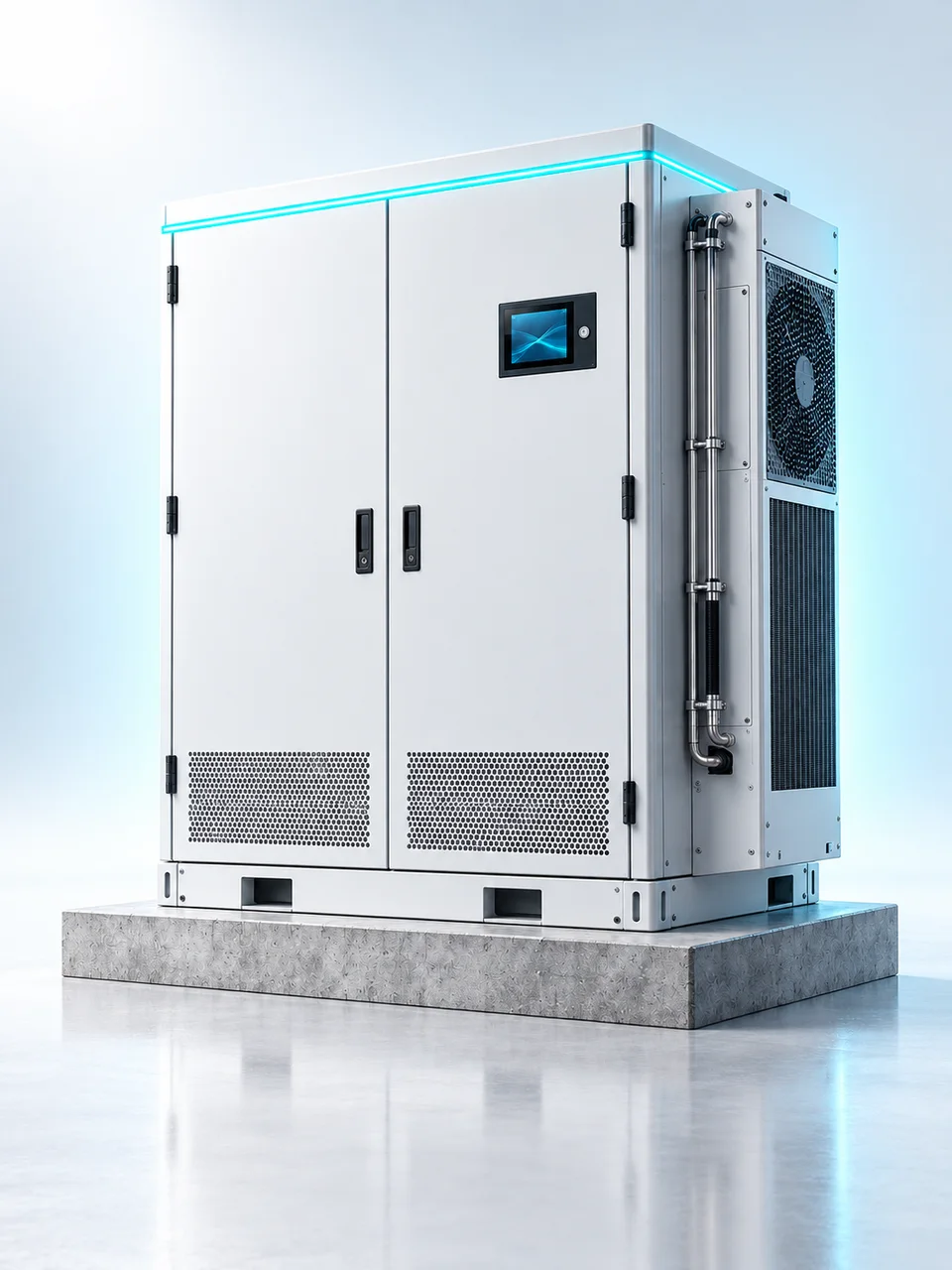
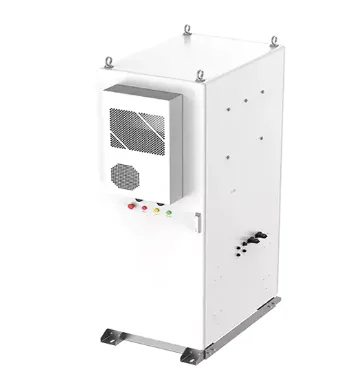
A thermal management system is the subsystem responsible for maintaining battery cells, modules, and power electronics within their specified operating temperature range. In lithium-ion energy storage systems, it controls heat generation during charge and discharge, reduces temperature differences across cells, supports low-temperature charging readiness, and helps slow capacity degradation. Battery performance and cycle life are strongly influenced by temperature. Lithium-ion batteries typically operate most effectively in a moderate temperature range, while prolonged exposure to high or low temperatures can increase internal resistance, reduce usable capacity, or accelerate aging. Uneven temperature distribution within a pack may also worsen cell imbalance and shorten system service life. Thermal management methods are commonly classified as passive, air cooling, liquid cooling, and hybrid approaches. Air cooling relies on fans and airflow channels, offering simple structure and lower cost, making it suitable for smaller or less thermally demanding installations. Liquid cooling uses coolant circulation through cold plates or manifolds to provide higher heat removal capacity and better temperature uniformity, and is increasingly used in large-scale and high-density energy storage systems. A complete thermal management system typically includes temperature sensors, cooling or heating units, pumps or fans, heat exchangers, coolant circuits, control logic, and protection devices. It should coordinate with the battery management system and energy management system to adjust cooling and heating power based on real-time temperature, current, state of charge, and ambient conditions. Liquid cooling designs also require leak detection, pressure monitoring, insulation checks, and maintenance access planning. Key technical parameters include operating temperature range, maximum cooling and heating capacity, temperature uniformity, response time, auxiliary power consumption, noise level, enclosure protection rating, coolant type, leakage protection, and communication protocol. Relevant standards and guidelines may include IEC 62619 for industrial battery safety, IEC 62933 for electrical energy storage systems, UL 9540 for energy storage system safety, UL 1973 for stationary battery systems, and ASHRAE/IEEE 1635 for ventilation and thermal management of stationary batteries. System selection should consider site climate, installation environment, battery chemistry, power and energy rating, duty cycle, maintenance capability, and integration requirements with the BMS, PCS, fire protection system, and enclosure design. Keywords: thermal management system, battery thermal management system, ESS thermal management, liquid cooling system, air cooling system
China XINYA Power Cables Co., Ltd Email: [email protected] whatsapp: +86 15289885778 Website: https://www.esspow.com