Battery Energy Storage: How to Choose a System That Cuts Costs and Performs
Learn how to select battery energy storage for microgrids and C&I, with key specs, cost-saving evidence, and cabling tips.
By Xinya Power editorial team
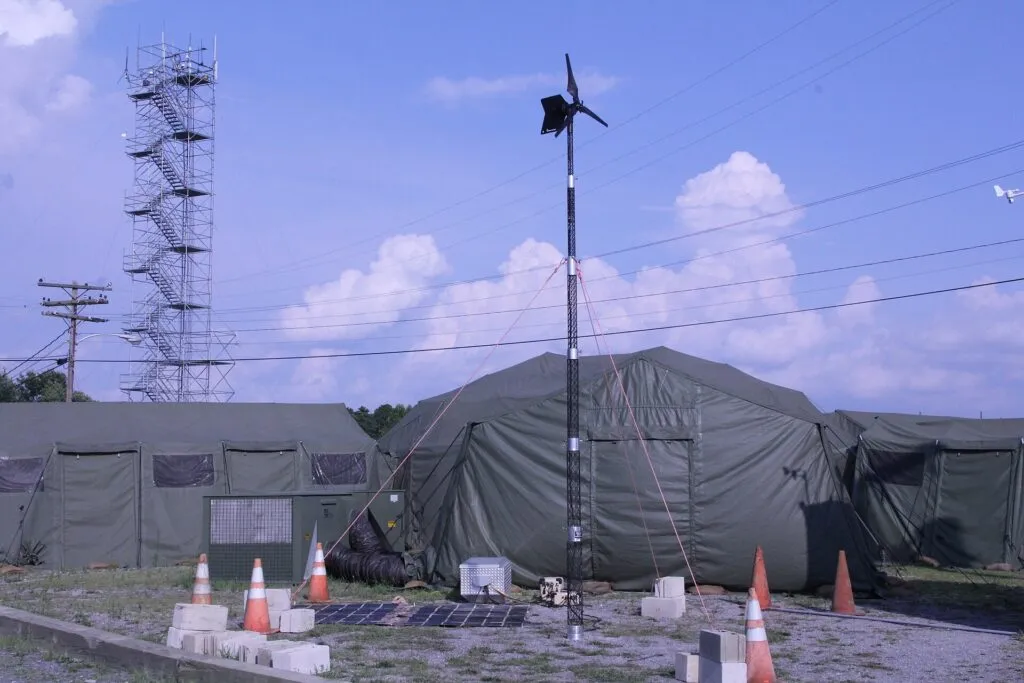
Image: Energy News
Battery energy storage systems (BESS) are now a proven way to cut energy costs and improve resilience. Recent research shows that optimized microgrid BESS can reduce daily operating costs by 31% to 48% (Energy News), while utilities are rapidly adopting storage to support a more flexible grid (Utility Dive). But with so many options, how do you choose a system that delivers real savings and reliable performance? This guide covers the essentials for buyers.
Key Specifications to Evaluate
When comparing battery energy storage systems, focus on these technical parameters:
- Usable capacity (kWh): Ensure the system provides the energy you need after accounting for depth of discharge (DoD). For example, a 100 kWh nominal LFP battery with 90% DoD gives 90 kWh usable.
- Cycle life: Look for cycle life at specific test conditions (e.g., 80% DoD, 25°C, 0.5C). A higher cycle life means longer service life. LFP batteries typically offer 6,000 cycles or more.
- Certifications: IEC 62619 (safety for industrial batteries), UN38.3 (transport), and UL 9540A (fire safety) are critical for compliance and insurance. For grid-connected systems, check grid-code compliance.
- IP rating: For outdoor installations, IP54 or higher is recommended. Indoor cabinets may only need IP20.
- Warranty: Typical warranties range from 5 to 10 years, with performance guarantees (e.g., 70% capacity retention).
Typical Configurations and Applications
Battery storage systems come in various scales:
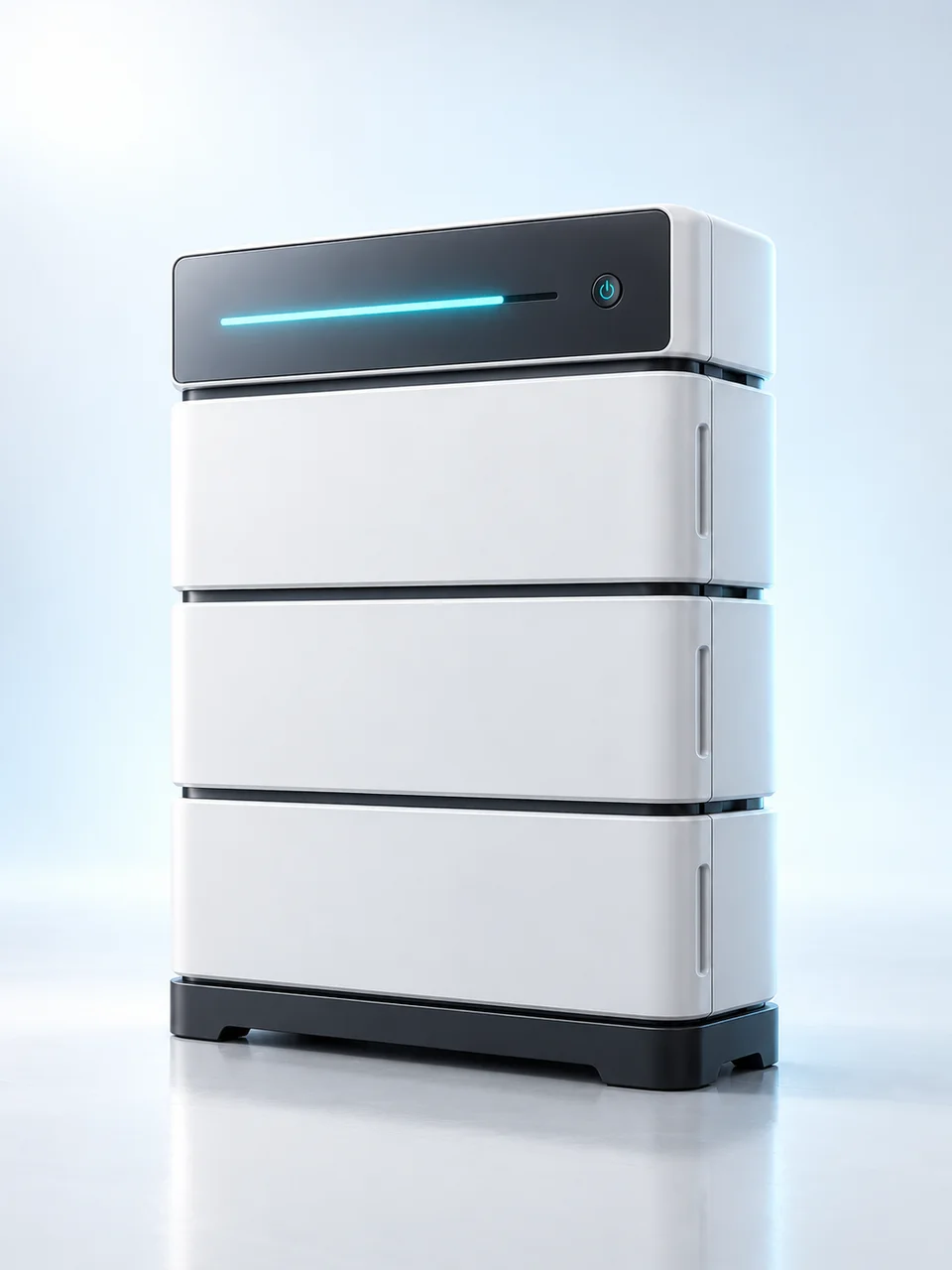
- Residential: Stackable or wall-mounted LFP batteries (5–20 kWh) paired with hybrid inverters. For example, our Stackable Home Battery 5.12 / 10.24 kWh is ideal for homes, while the Wall-Mounted LiFePO4 Battery 51.2 V 100 Ah saves space.
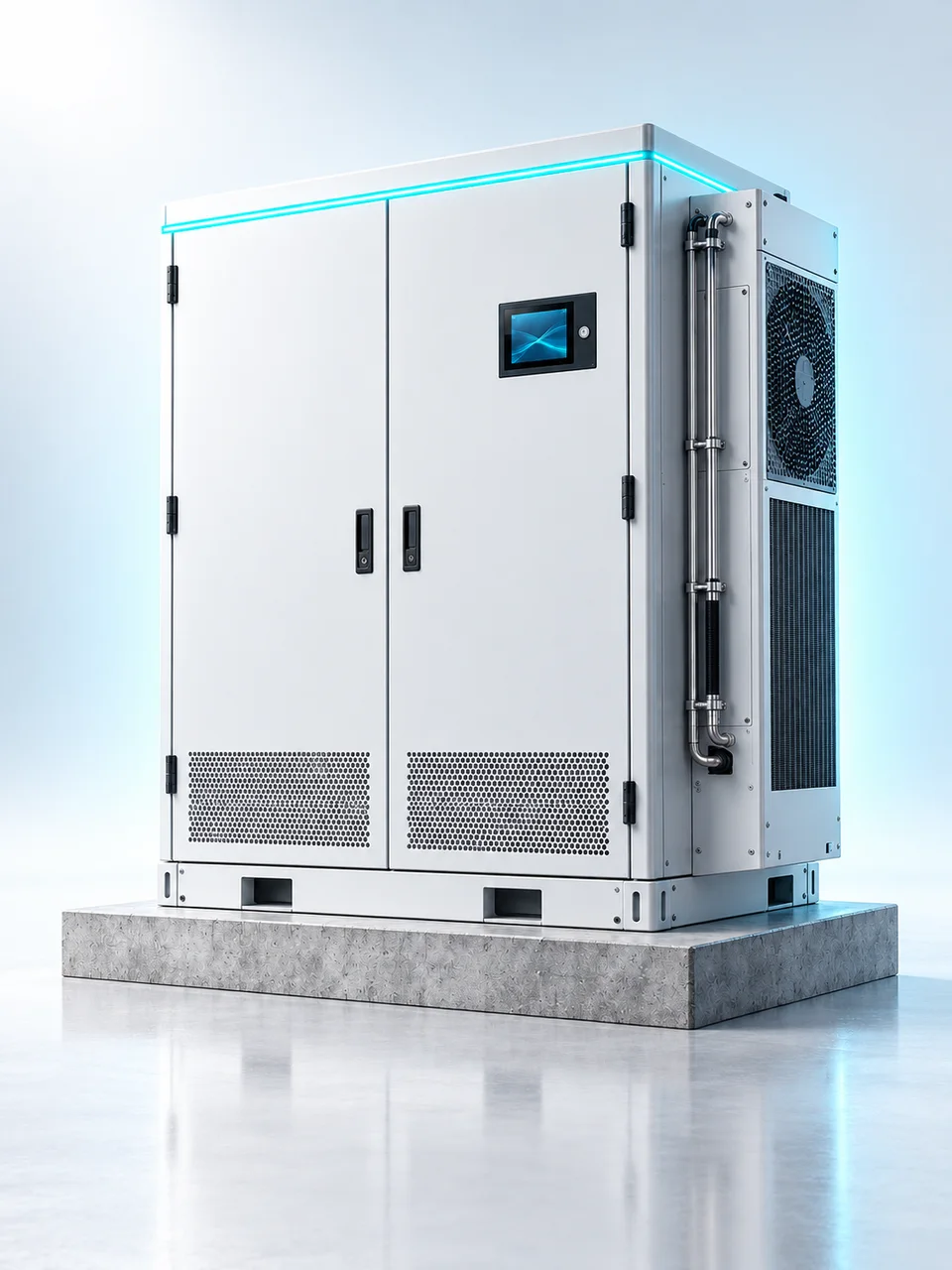
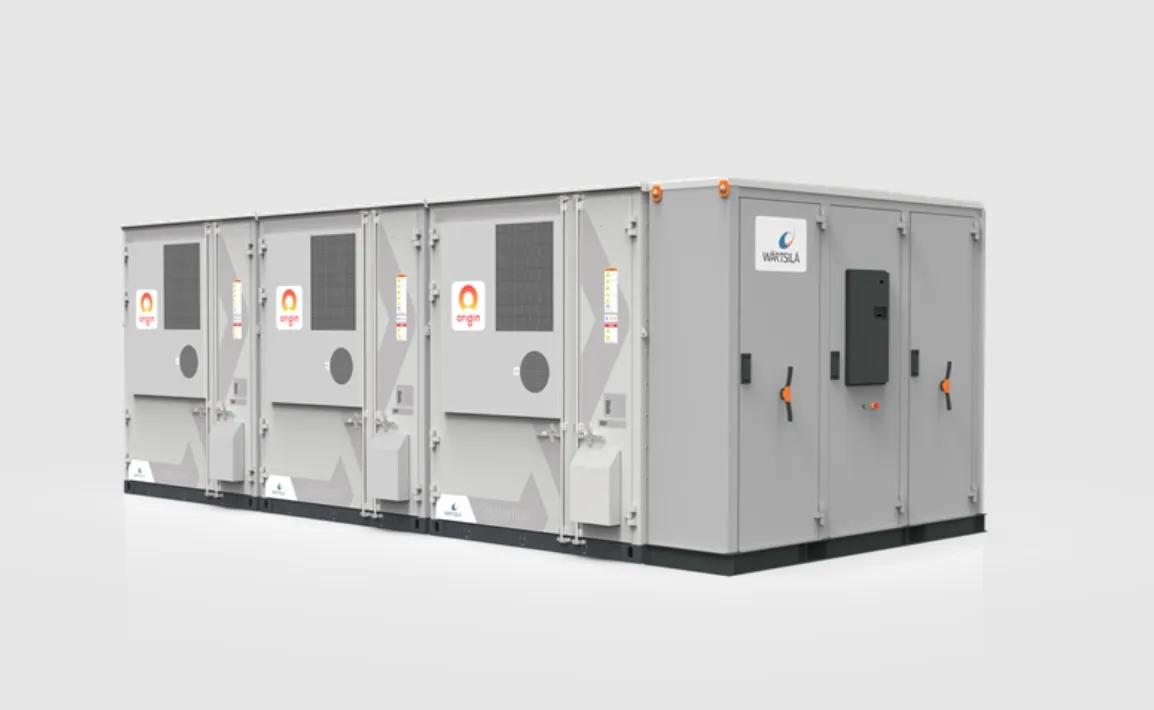
- Commercial & Industrial (C&I): Containerized or cabinet-based systems from 100 kWh to several MWh. Our Liquid-Cooled C&I Battery Cabinet 372 kWh is designed for peak shaving and solar shifting in outdoor environments.
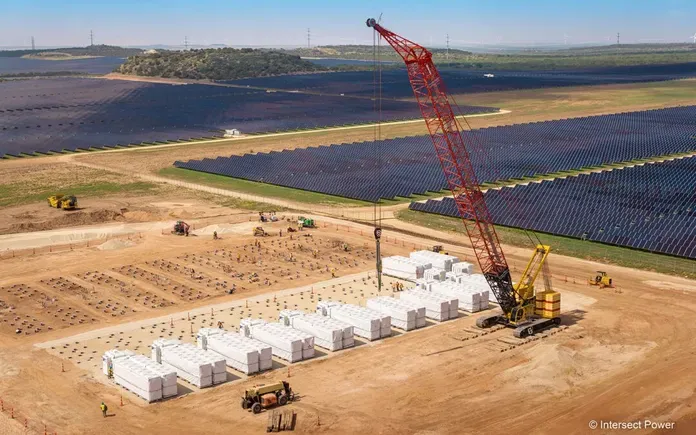
- Microgrids: Combine multiple C&I cabinets with inverters and PV for off-grid or grid-tied operation. The 31–48% cost reduction study highlights the importance of proper sizing and dispatch optimization (Energy News).
Cabling and Balance of System
Cabling is often overlooked but critical for safety and efficiency. Ensure:
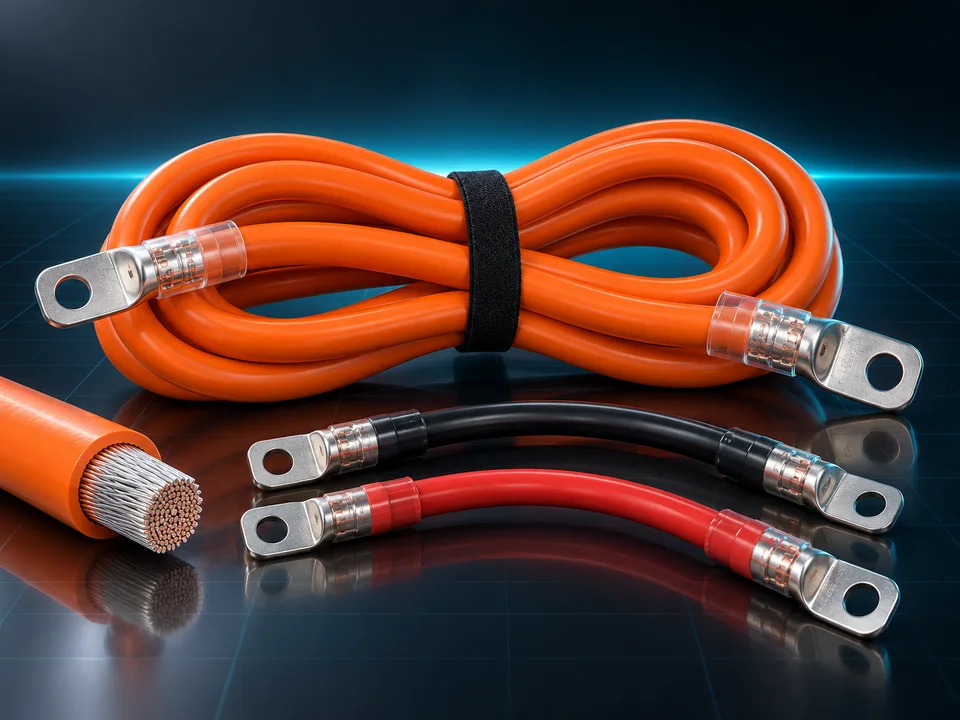
- DC cables: Rated for 1,500 V DC and flexible for battery interconnections. Our ESS Battery Interconnect Cable 1,500 V DC is designed for high-flex applications.
- AC cables: Sized for continuous current and voltage drop. Use 0.6/1 kV XLPE cables like our 0.6/1 kV XLPE Power Cable for ESS from inverter to switchboard.
- PV cables: For solar integration, use H1Z2Z2-K solar cable (H1Z2Z2-K Solar PV Cable 1.5 kV DC) rated for 1.5 kV DC.
Proper cable sizing prevents overheating and voltage drops, ensuring system reliability.
Lead Times, Logistics, and Supplier Selection
Lead times for BESS typically range from 4 to 12 weeks, depending on customization and certification requirements. For large projects, factor in shipping and customs clearance. Choose a supplier that offers:
- Matched components: Batteries, inverters, and cables from one source simplify procurement and ensure compatibility.
- Local support: Technical assistance for sizing and commissioning.
- Proven track record: Look for references in similar applications. Recent projects like Jupiter Wagons’ 41 MW/102.5 MWh BESS in India show the scale of deployments (Energy News).
Making the Business Case
Battery storage can reduce demand charges, shift solar generation, and provide backup power. The microgrid study found that even with a simple battery model, cost savings were substantial (Energy News). To maximize ROI, consider time-of-use tariffs, incentive programs, and degradation.
Ready to size a system for your project? Send your load profile and project details to us at /en/contact/ for a tailored configuration and quotation.
Frequently asked questions
What is the difference between kW and kWh in battery storage?
kW (power) indicates how much power the system can deliver at once, while kWh (energy) indicates how much energy it can store. Both matter: kW determines the loads you can run, and kWh determines how long you can run them.
How long do LFP battery storage systems last?
LFP batteries typically last 6,000 cycles or more at 80% depth of discharge. At one cycle per day, that's over 16 years. However, actual life depends on temperature, usage, and maintenance.
What certifications should I look for in a BESS?
Key certifications include IEC 62619 for safety, UN38.3 for transport, and UL 9540A for fire safety. For grid-connected systems, check local grid codes and CE/UL marks.
Can I expand my battery storage system later?
Yes, many systems are modular and allow adding batteries or inverters. Ensure the initial inverter and cabling can handle future expansion, and that the battery management system supports parallel connection.
What cable size do I need for my battery storage system?
Cable size depends on current and distance. For DC interconnects, use cables rated for 1,500 V DC and sized to limit voltage drop to 2%. For AC, use 0.6/1 kV XLPE cables sized for continuous current. Consult a professional for exact sizing.
This article was compiled with automated research and reviewed against the cited sources.