Commercial Energy Storage: How to Choose the Right System
A buyer's guide to specifying commercial energy storage: key specs, certifications, configurations, and cabling for reliable, cost-effective projects.
By Xinya Power editorial team
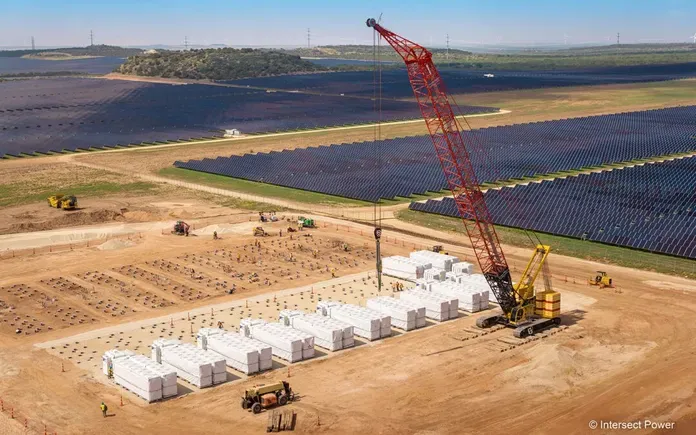
Image: Utility Dive
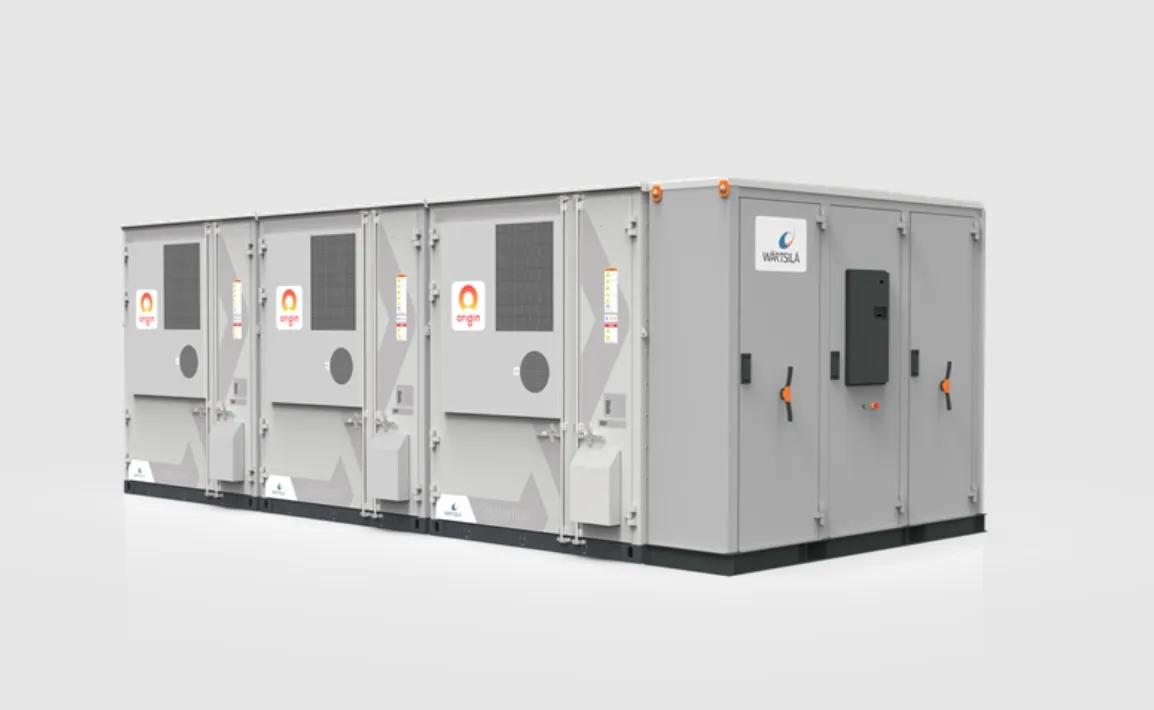
When you search for "commercial energy storage," you likely need to specify a system that balances upfront cost, performance, and long-term reliability. The good news: commercial energy storage is now a mature, bankable asset. According to Wood Mackenzie, 4-hour storage is already cheaper than gas peakers across global markets, driven by data center demand and gas turbine backlogs (Utility Dive). Meanwhile, tenders like India's SECI 3.2 GWh standalone storage show that utility-scale and commercial projects are moving fast, with tight timelines and heavy capital commitments (Energy News). For commercial buyers, this means: specify carefully, and you can lock in lower energy costs for a decade or more.
Key Specifications to Check in Commercial Energy Storage
When evaluating proposals, focus on these parameters:
- Usable capacity (kWh): Not all nameplate kWh are usable. Check depth of discharge (DoD) and round-trip efficiency. A 100 kWh battery with 90% DoD delivers 90 kWh usable.
- Cycle life: Look for cycle life at a specific DoD (e.g., 6,000 cycles at 80% DoD) and temperature. Test conditions matter: 25°C vs. 45°C can halve life.
- Certifications: IEC 62619 (safety for industrial batteries), UN38.3 (transport), and UL 9540A (fire propagation) are baseline. For grid-connected systems, check grid-code compliance (e.g., IEEE 1547).
- IP rating: Outdoor cabinets need IP54 or higher; indoor racks can be IP20.
- Warranty: Look for 10 years or 70% capacity retention, whichever comes first. Ensure it covers parts and labor.
Typical Configurations for Commercial & Industrial Projects
Most C&I systems fall into three architectures:
- AC-coupled: Battery cabinet + separate inverter. Good for retrofits where you keep existing solar inverters.
- DC-coupled: Battery connects to a hybrid inverter with PV inputs. Higher efficiency for new builds.
- All-in-one: Integrated cabinet with inverter, battery, and fire suppression. Fastest to deploy, smallest footprint.
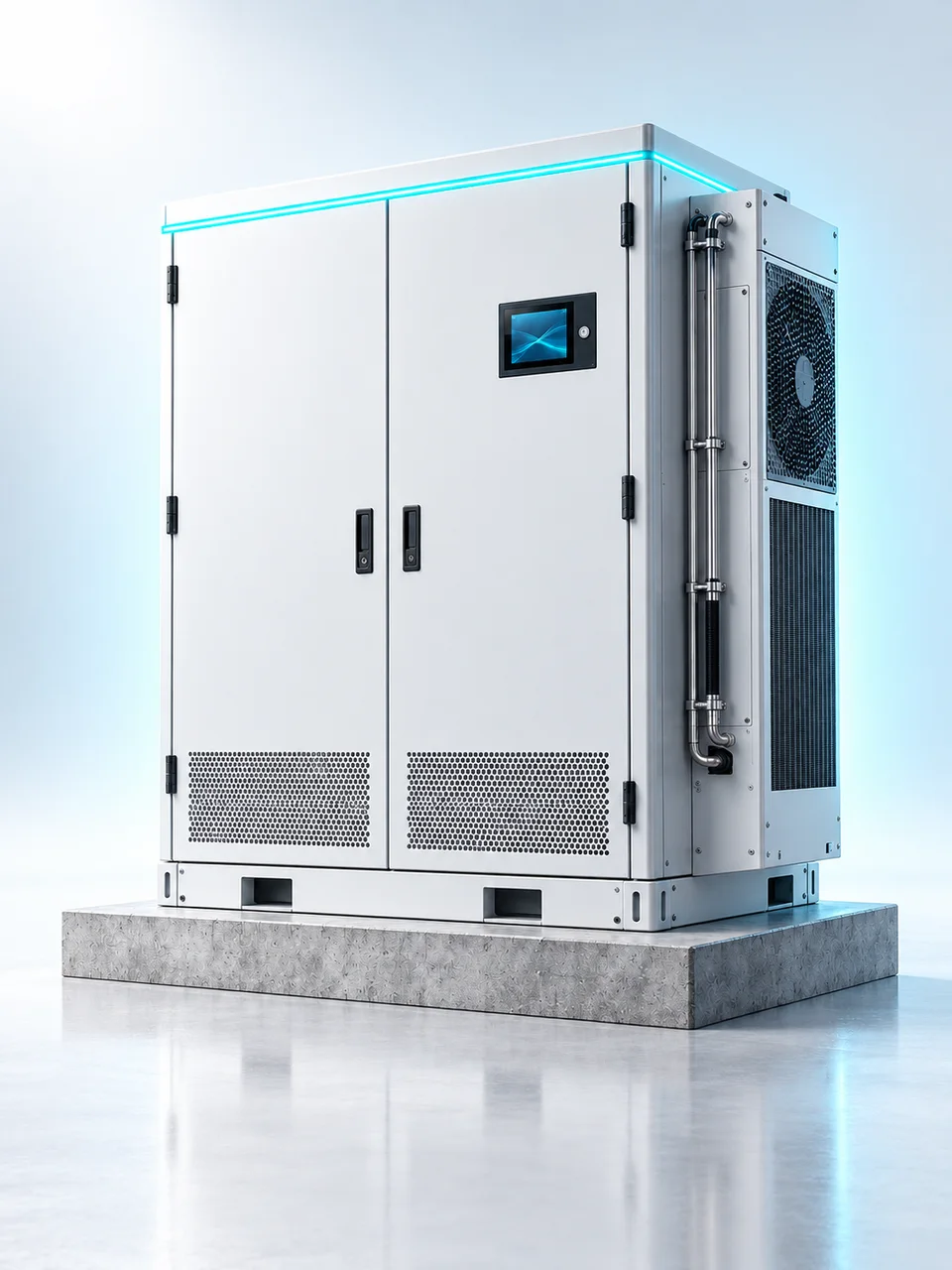
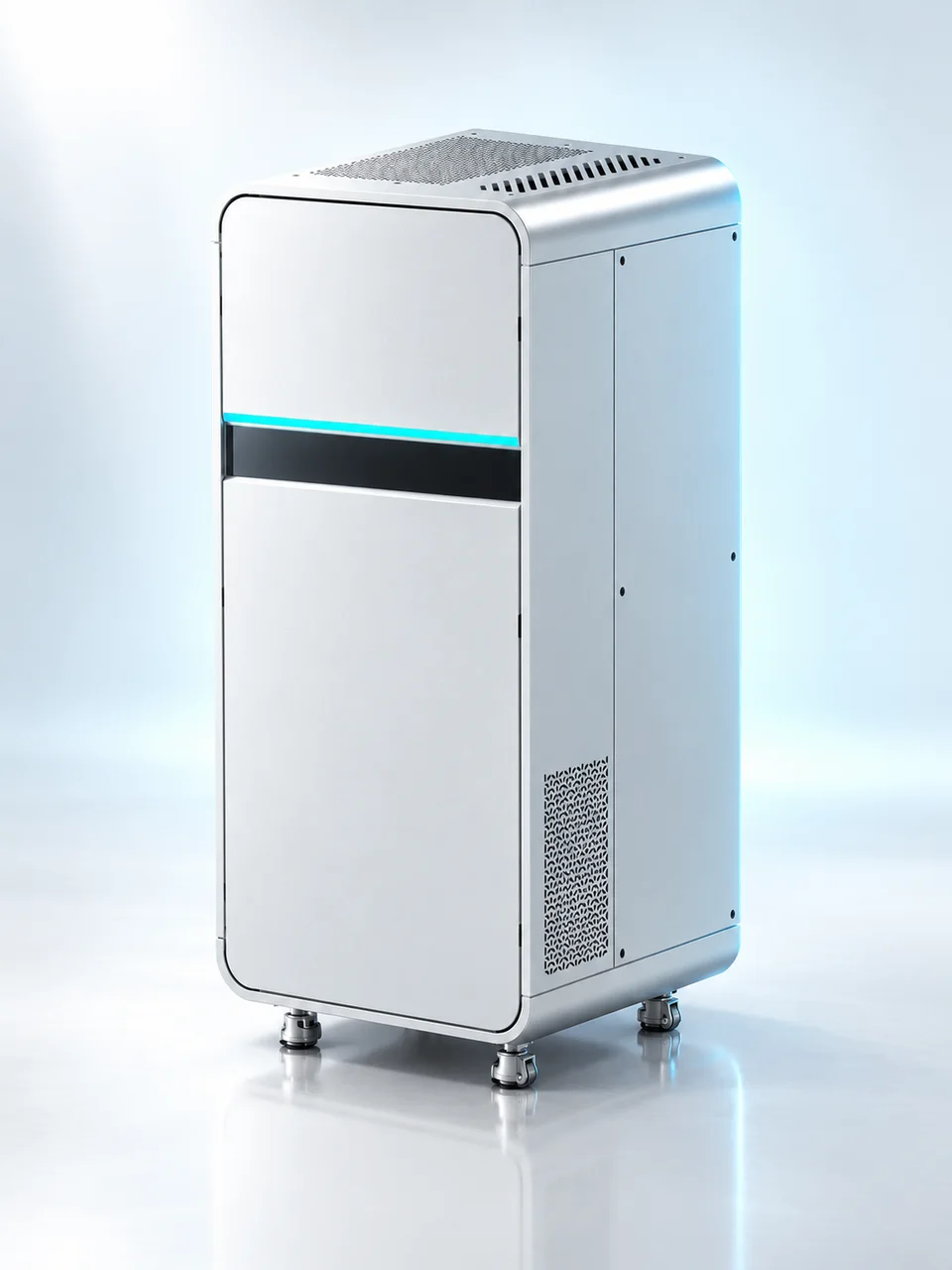
For peak shaving and solar shifting, a 372 kWh liquid-cooled cabinet like our Liquid-Cooled C&I Battery Cabinet 372 kWh is a robust choice. It supports outdoor installation and high cycle life. If you need a turnkey solution, consider the Solar Vigour All-in-One Hybrid ESS 30 kW / 60 kWh · 40 kW / 80 kWh, which combines inverter, battery, and fire protection in one cabinet.
Cabling and Balance-of-System Essentials
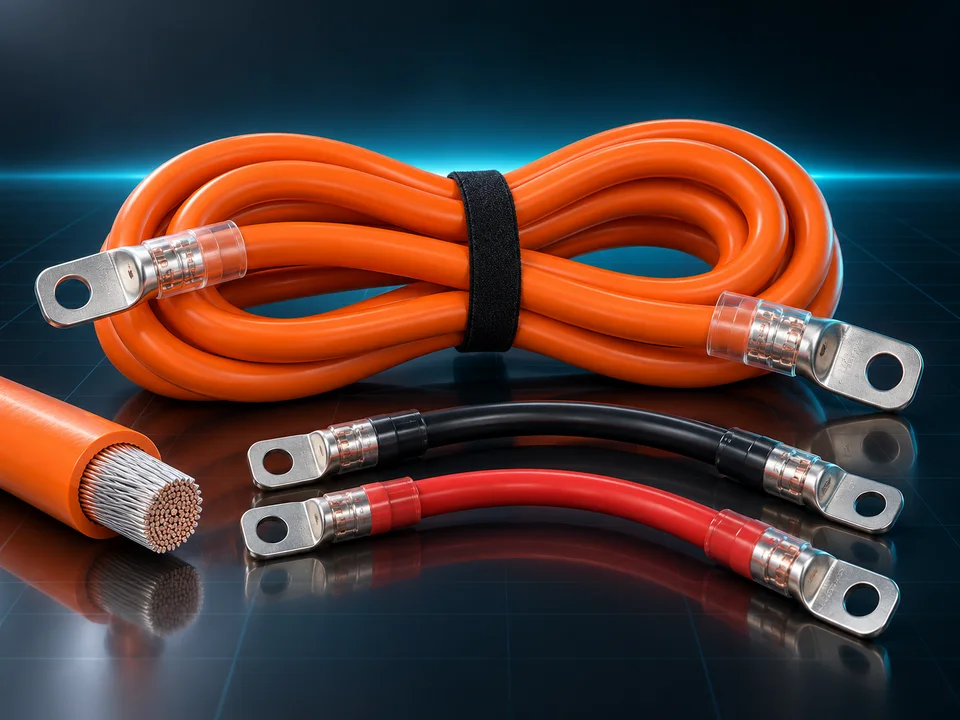
Cabling is often overlooked but critical for safety and performance. For the DC side, use cable rated for 1,500 V DC, such as our ESS Battery Interconnect Cable 1,500 V DC. Ensure correct sizing: ampacity must exceed maximum continuous current with margin for temperature. Terminations should be torque-checked and use tinned copper lugs. On the AC side, from inverter to switchboard, use 0.6/1 kV XLPE cable sized for continuous load—our 0.6/1 kV XLPE Power Cable for ESS is designed for this. Always follow manufacturer torque specs and use proper strain relief.
Lead Times, Logistics, and Supplier Evaluation
Lead times for commercial batteries can range from 8 to 16 weeks, depending on cell supply and customization. Logistics: batteries are Class 9 dangerous goods for transport; ensure your supplier provides UN38.3 test summaries and proper packaging. Evaluate suppliers on: manufacturing traceability (cell-to-pack), local service support, and spare parts availability. Ask for references from similar projects.
Getting a Sized Configuration and Quote
To move forward, gather your load profile (15-minute interval data if available), project site conditions, and grid interconnection requirements. Send these to us at /en/contact/ and our engineers will propose a sized configuration with matched cabling and a detailed quotation. We'll help you compare options and optimize for your budget and timeline.
Frequently asked questions
What is the typical cost of a commercial energy storage system?
Costs vary widely by size, configuration, and region. As a reference, Wood Mackenzie notes that 4-hour storage is now cheaper than gas peakers in many markets, but for a specific quote, share your load profile with suppliers.
Which certifications are essential for commercial energy storage?
At minimum, look for IEC 62619, UN38.3, and UL 9540A. For grid-connected systems, grid-code compliance such as IEEE 1547 is also important.
How long do commercial batteries last?
Most LFP batteries are warranted for 10 years or 6,000 cycles at 80% depth of discharge, whichever comes first. Actual life depends on temperature and usage patterns.
Can I retrofit energy storage to my existing solar system?
Yes, AC-coupled systems are designed for retrofits. You keep your existing solar inverters and add a battery cabinet with its own inverter.
What cable should I use for battery interconnections?
Use flexible, 1,500 V DC-rated cable with high strand count for battery racks, such as our ESS Battery Interconnect Cable. Ensure correct ampacity and terminations.
This article was compiled with automated research and reviewed against the cited sources.