Battery Energy Storage: How to Choose and Size an ESS
A buyer's guide to battery energy storage: usable capacity, cycle life, safety certifications, grid-forming trends, lead times and matched DC/AC cabling.
By Xinya Power editorial team
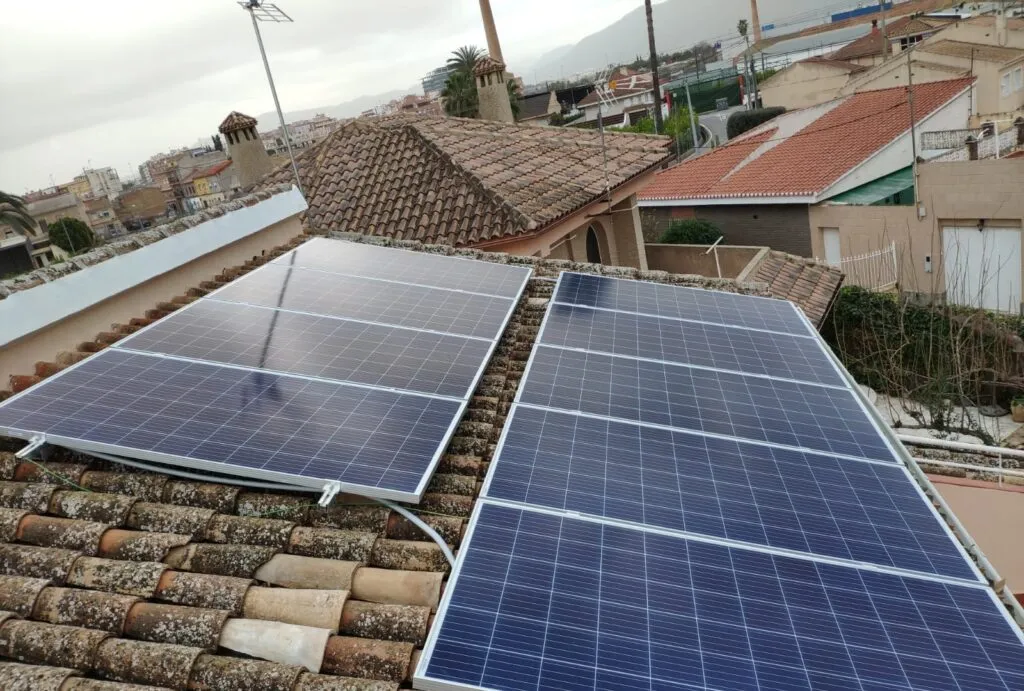
Image: Energy News
Battery energy storage is a rechargeable system that stores electricity — usually in lithium iron phosphate (LFP) cells — and releases it when your site, home or grid needs it. For a professional buyer, the decision comes down to four things: usable kWh, the inverter and control strategy, safety certification, and the cabling that ties cells, racks and switchgear together. This guide walks through each, with current market context, so you can specify a system and request a quotation with confidence.
What is changing in the storage market right now
Two trends matter for specification. First, control strategy is becoming a selling point, not an afterthought: a study in the Journal of Energy Storage found that grid-forming control reduced rate of change of frequency (RoCoF) from 18.99 to 6.34 Hz/s in a PV-battery home, with a 2.85-year payback on the added cost (Energy News). If your project faces weak-grid or grid-code requirements, ask whether the inverter is grid-following or grid-forming.
Second, system scale keeps climbing. CATL launched a 9 MWh containerised system, the TENER+, plus a sodium-ion variant, in Melbourne on 29 October 2026, backed by three MoUs but no named order (Energy News). Large-format racks are efficient, but they raise the bar on thermal management and DC cabling. Cell chemistry research is also moving fast — a physics-constrained GAN generated 1,283 NMC532 cathode microstructures from target porosity, volume fraction and tortuosity (Energy News) — a reminder that datasheet numbers should always be read against test conditions.
Specifications to check before you compare quotes
- Usable vs nominal capacity. A 10 kWh nameplate pack may deliver 9 kWh usable at beginning of life. Ask for the depth-of-discharge window and the reserve the BMS keeps.
- Cycle life test conditions. "6,000 cycles" means little without C-rate, temperature, DoD and end-of-life capacity (usually 70% or 80%). Request the test report, not just the headline figure.
- Safety certification. IEC 62619 for industrial cells and batteries, UN38.3 for transport, and UL 9540A cell-level fire propagation testing for North American projects. IEC 62477 or IEC 62109 apply to the power conversion side.
- IP rating and thermal design. Outdoor cabinets should be at least IP54; liquid-cooled cabinets hold tighter cell temperature spread under high C-rates.
- Warranty structure. Distinguish product warranty (years) from throughput warranty (MWh or cycles), and check who performs service in your country.
Typical configurations by application
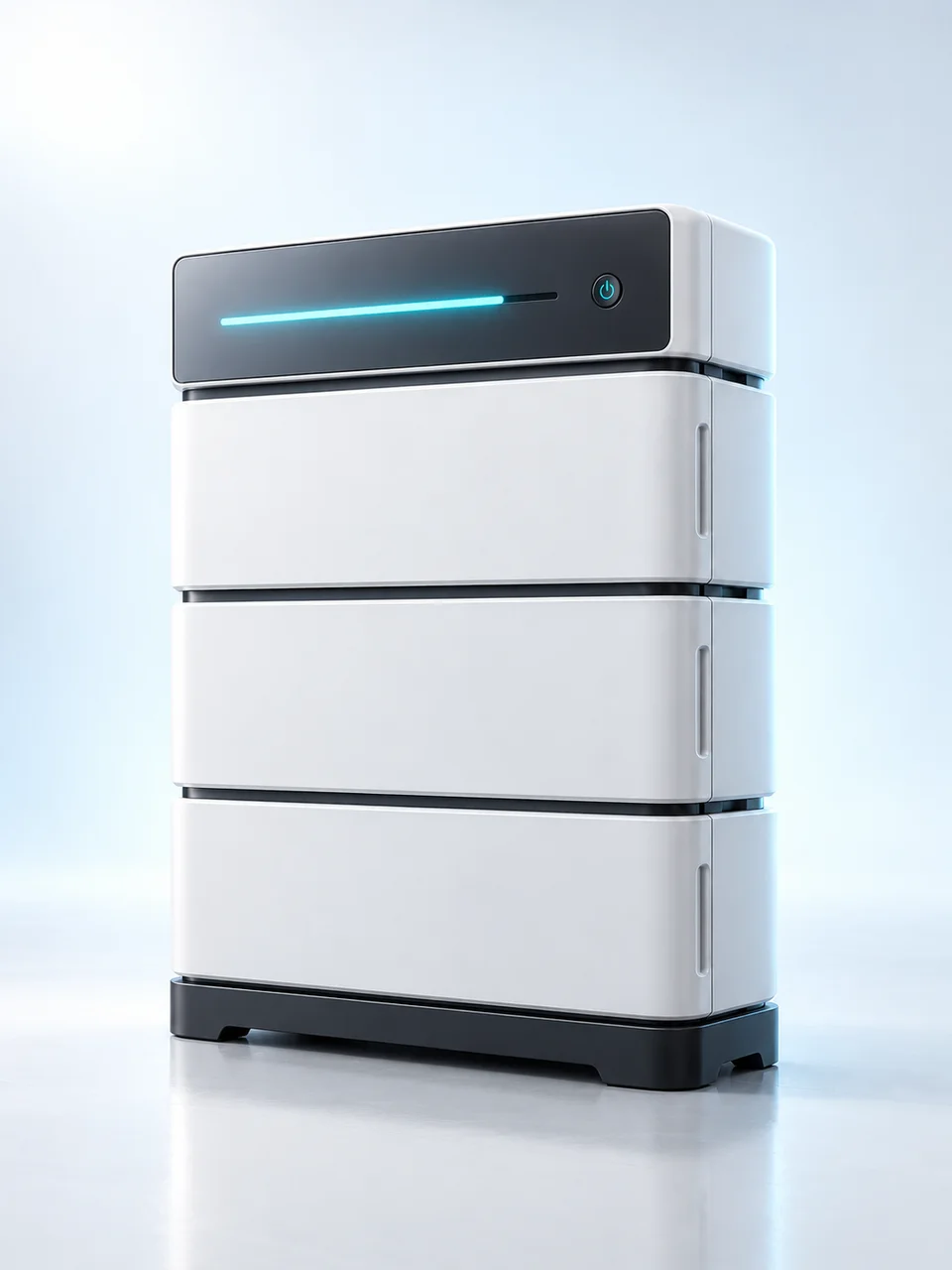
Home storage. 5–15 kWh LFP packs paired with a hybrid inverter, usually wall-mounted or stackable. For apartments with balcony PV, plug-in units of 2–6 kWh avoid roof work entirely.
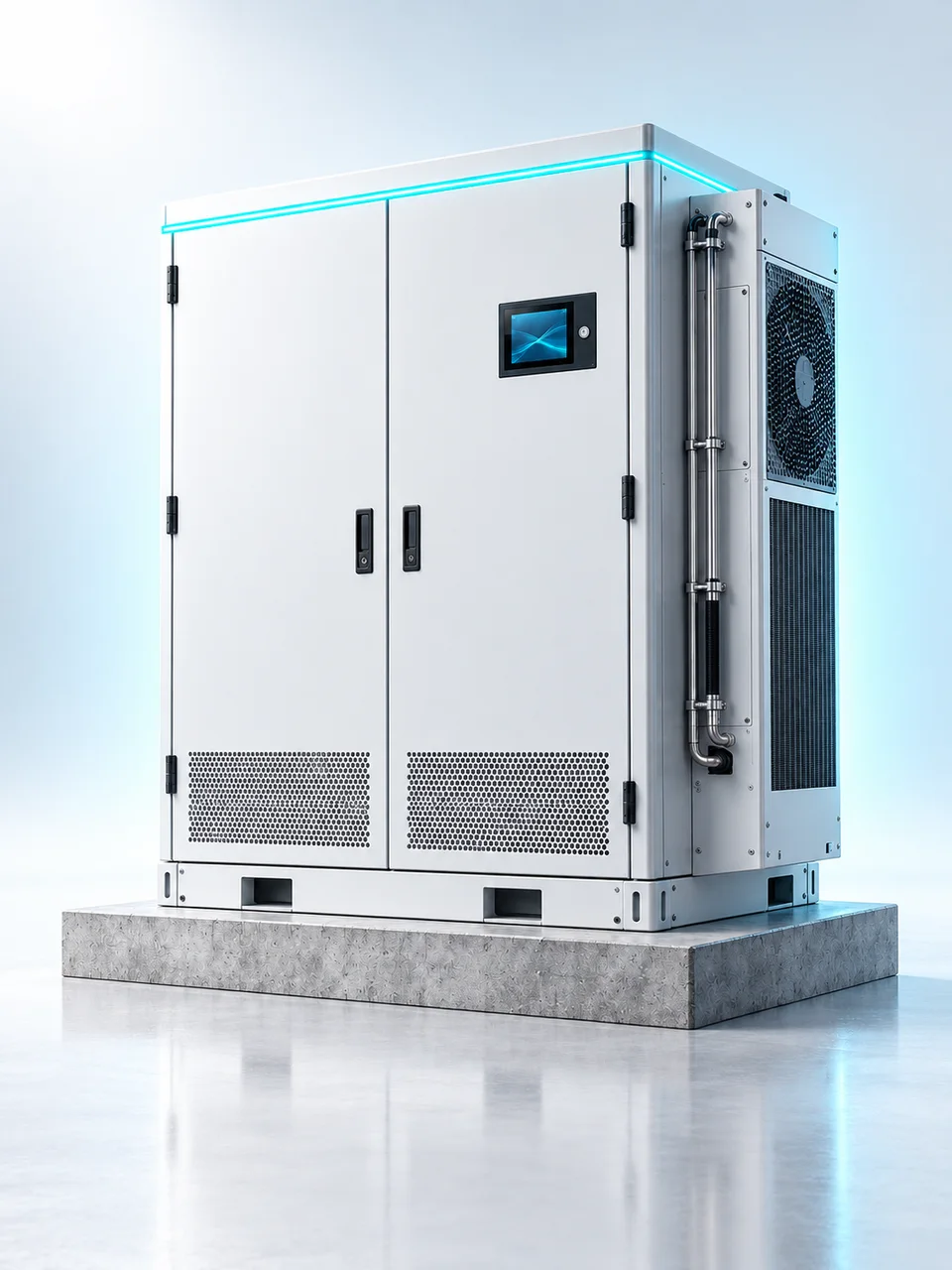
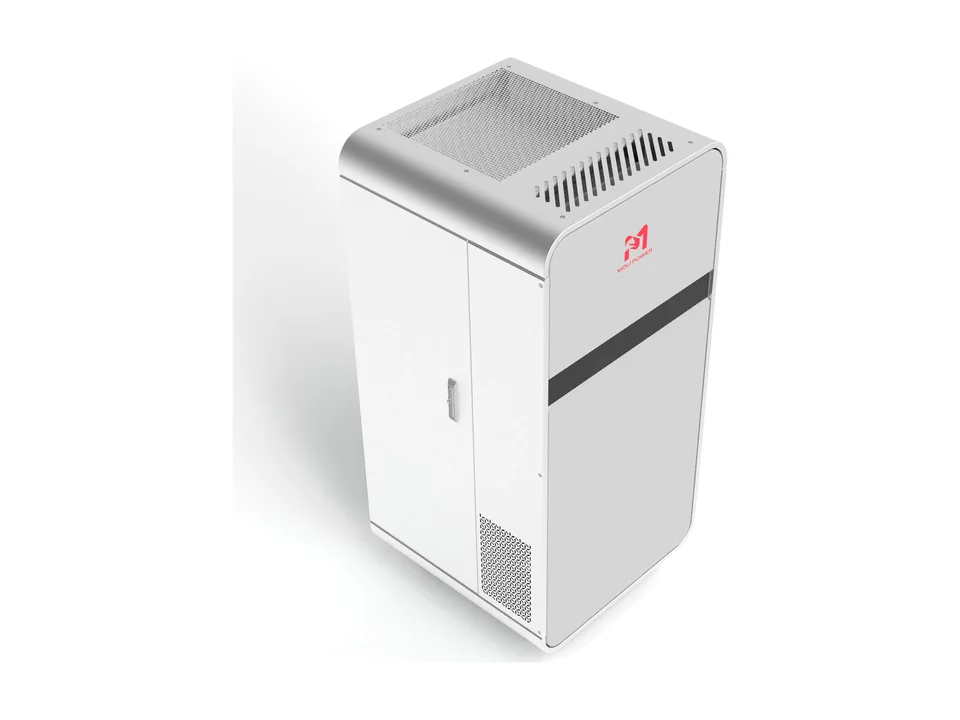
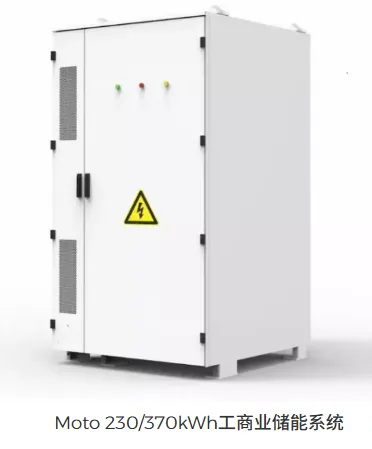
C&I and off-grid. 30–500 kWh cabinets for peak shaving, solar shifting or diesel displacement, combined with three-phase hybrid or off-grid inverters. Liquid-cooled cabinets suit outdoor pads where ambient temperature swings; all-in-one cabinets shorten commissioning.
Portable and light-duty. 0.5–3 kWh stations for backup, events and field tools, often the entry point for buyers who later scale to fixed storage.
In our catalogue, the Liquid-Cooled C&I Battery Cabinet 372 kWh covers outdoor commercial duty, the Solar Vigour All-in-One Hybrid ESS bundles inverter, battery and fire protection in one cabinet, and the Stackable Home Battery 5.12 / 10.24 kWh lets a residential system grow module by module.
Cabling: the part most quotes get wrong
Storage projects fail commissioning on cabling more often than on cells. Check three things:
- DC voltage rating. Rack and interconnect cable must be rated for the full string voltage — 1,500 V DC is now standard for larger systems. Use ESS Battery Interconnect Cable 1,500 V DC with high-flex stranding for rack jumpers.
- Solar-side cable. PV-to-inverter runs should use EN 50618 double-insulated cable such as H1Z2Z2-K Solar PV Cable 1.5 kV DC — rated for the DC side and UV exposure.
- AC side. Inverter-to-switchboard cable must be sized for continuous current, not peak, with derating for ambient temperature and grouping. A 0.6/1 kV XLPE construction is the usual choice.
Also confirm lug and terminal types, torque values, and whether jumpers arrive pre-crimped. Mismatched terminations are a common source of hot spots.
Lead times, logistics and quotation
Ask for the production lead time separately from shipping transit, and confirm whether the battery is shipped as Class 9 dangerous goods with the correct UN38.3 documentation and state of charge. Containerised systems need crane and pad planning; wall-mounted home units ship on pallets and are installer-friendly. Get the bill of materials to include cabling, breakers and monitoring so nothing is re-quoted later.
Send your load profile, daily consumption curve, grid or off-grid status and site conditions to /en/contact/ and we will return a sized configuration — battery, inverter, PV and matched DC/AC cabling — with a quotation.
Frequently asked questions
How do I size battery energy storage for my site?
Start from a load profile: daily kWh, peak kW and the hours you need backup. Divide usable kWh by depth of discharge and add a margin for degradation. For C&I, model the tariff structure to size for peak shaving rather than total consumption.
Which certifications should an ESS have?
At minimum IEC 62619 for the battery, UN38.3 for transport, and IEC 62109 or 62477 for the inverter. For North American projects, UL 9540A fire propagation test data is typically requested by authorities.
Is grid-forming control worth the extra cost?
A recent study reported a 66% reduction in RoCoF and a 2.85-year payback on the added cost in a PV-battery home. It is most valuable on weak grids or where grid codes require frequency support.
What cable do I need between battery racks and the inverter?
Use high-flex DC cable rated for the full string voltage, commonly 1,500 V DC, with correctly crimped lugs. Size the AC cable for continuous current with ambient and grouping derating.
Can you supply battery, inverter and cabling together?
Yes. We manufacture the ESS cables and supply LFP batteries, hybrid and off-grid inverters, PV modules and portable stations, so the DC and AC cabling is matched to the system at quotation stage.
This article was compiled with automated research and reviewed against the cited sources.