Battery Energy Storage: How to Specify and Source a System
A buyer's guide to battery energy storage: usable capacity, cycle-life test conditions, safety certifications, cabling and lead times — plus how to request a sized quote.
By Xinya Power editorial team
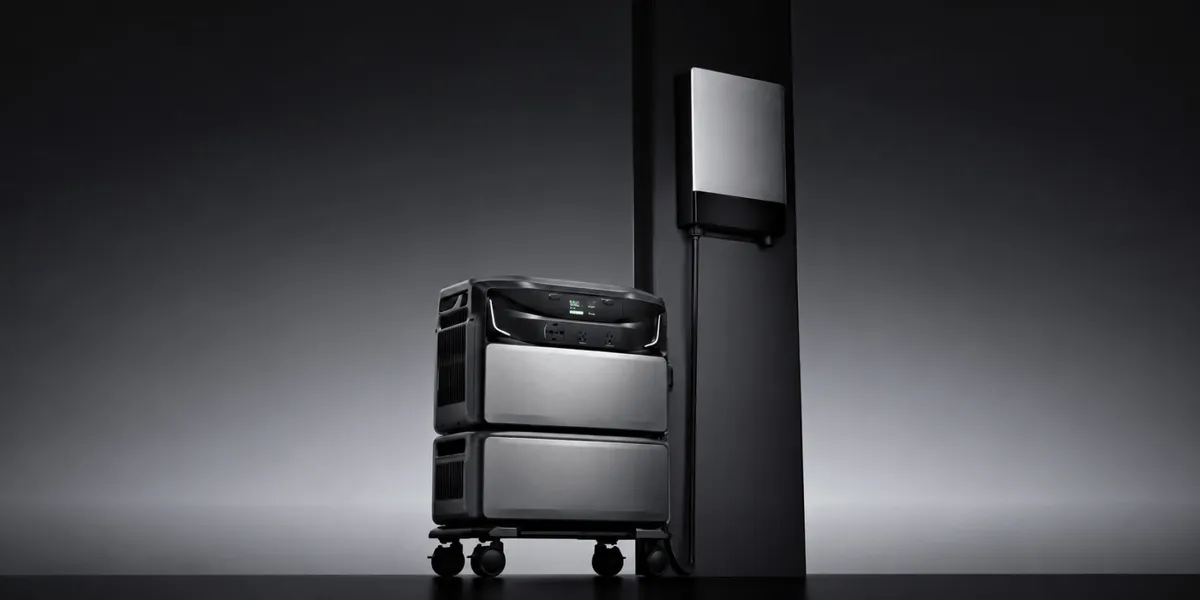
Image: Electrek
Battery energy storage is a rechargeable system that stores electricity — usually from solar, the grid or a generator — and releases it when you need it, shifting load, shaving peaks or providing backup. As a buyer, the three decisions that matter most are the chemistry and usable capacity you need, the safety and certification evidence behind the product, and whether the battery, inverter and cabling arrive as one matched, tested package. This guide walks through each, so you can compare quotes on equal terms.
What the market looks like right now
The storage market is broadening at both ends. On the residential side, vendors are pushing smaller, scalable entry points: EcoFlow has launched a residential lineup it describes as a more approachable entry to home backup, designed to grow with the household (Electrek). That mirrors what we see from installers — buyers want to start with a modest battery and add modules later rather than over-buy on day one.
On the grid and commercial side, batteries are increasingly valued for how they follow price signals. A Journal of Energy Storage study found 2024 battery dispatch tracked day-ahead prices at r² 0.88 in CAISO and 0.73 in ERCOT — a measure of price following that, as the authors note, does not by itself prove a carbon benefit (Energy News). For C&I buyers, that is a reminder to model your own tariff and load shape, not someone else's.
It is also worth keeping scale in perspective: a review of seven mature grid storage technologies puts pumped hydro at 201 GW in 2025, over 94% of global capacity, with round-trip efficiencies from 42% to 87% (Energy News). Lithium batteries compete on efficiency, siting speed and modularity, not on headline installed gigawatts. Meanwhile, utilities are experimenting with vehicle batteries as distributed backup — Portland General Electric calls battery-backed heavy trucks "batteries on wheels" (Electrek) — which shows how flexible storage assets are becoming.
What to check in the specification
Usable capacity, not nameplate. Ask for the kWh you can actually discharge under your C-rate and depth-of-discharge (DoD), and the round-trip efficiency at your expected load. A 10 kWh nameplate pack at 90% DoD and 90% efficiency delivers roughly 8 kWh to the load.
Cycle life and its test conditions. "6,000 cycles" means little without the C-rate, temperature, DoD and end-of-life capacity retention (typically 70% or 80%). Request the test report, not just the datasheet line.
Certifications. For LFP cells and packs, IEC 62619 is the baseline safety standard; UN38.3 is mandatory for shipping; UL 9540A fire-spread testing is increasingly requested by authorities for cabinets and indoor installations. Check that certificates name the exact model you are buying.
Environmental and warranty terms. IP65 is typical for outdoor cabinets; confirm the operating temperature range and whether derating applies above 45 °C. Read the warranty for throughput limits, exclusions and who performs service in your country.
Typical configurations and cabling
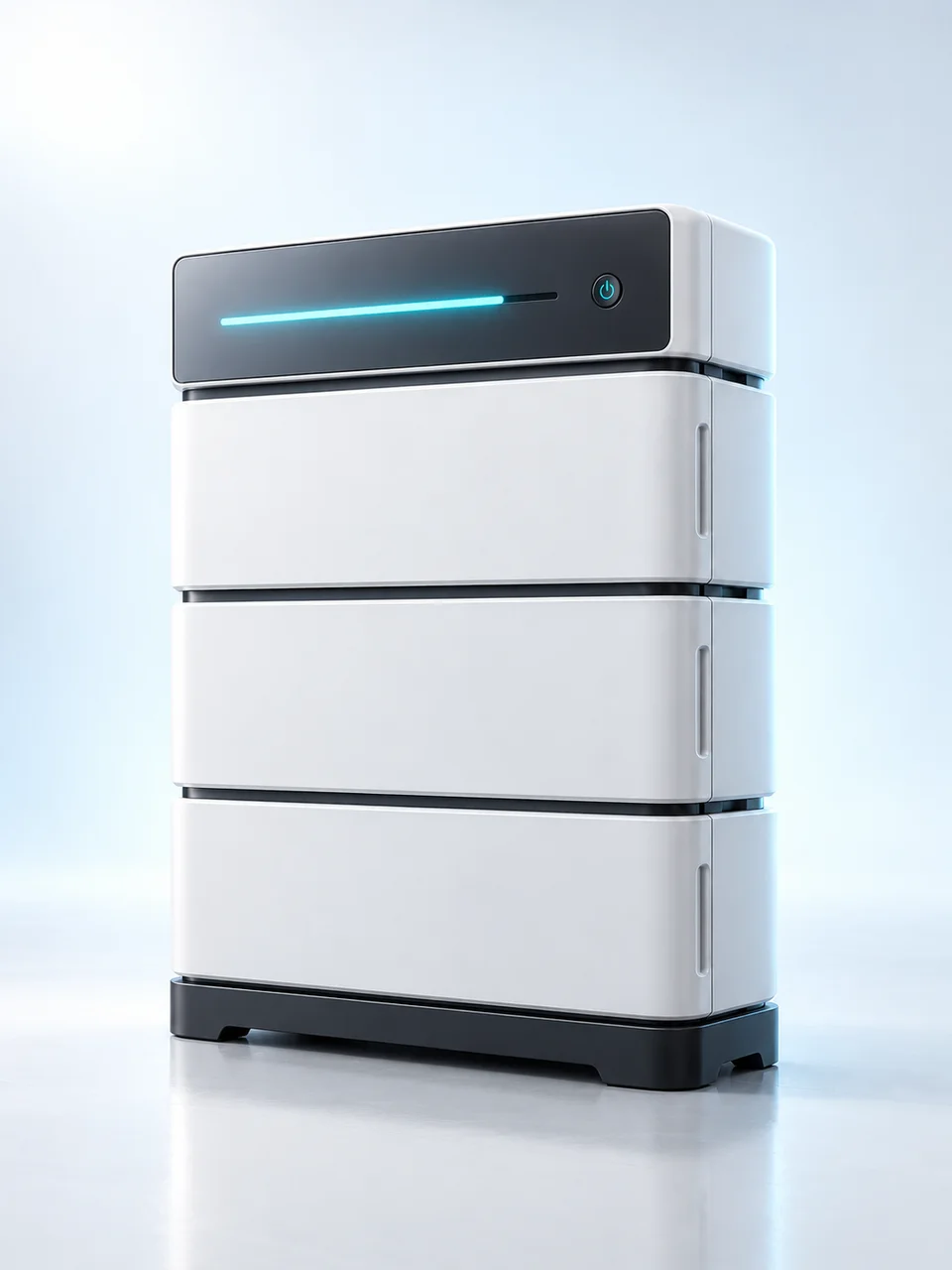
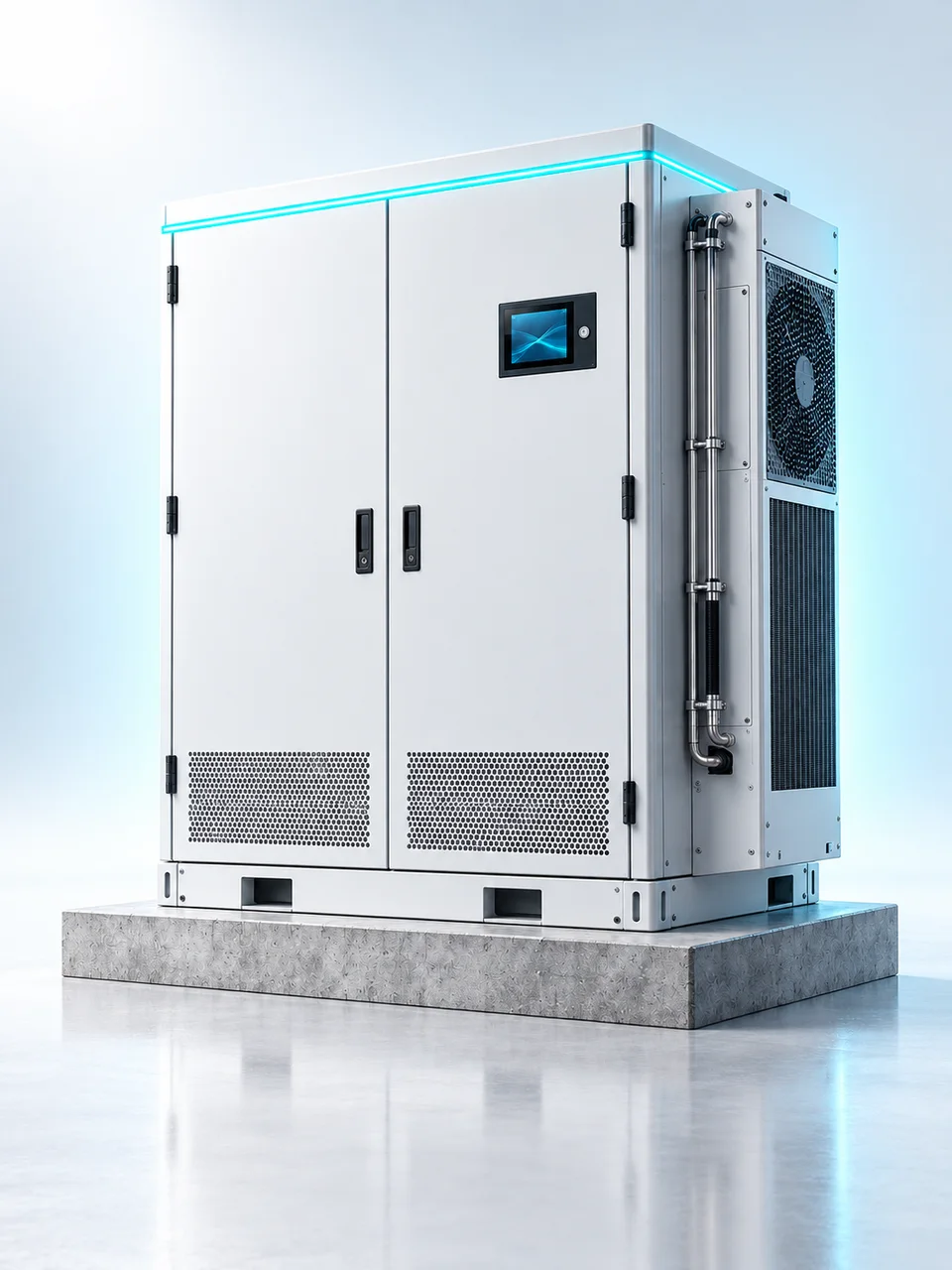
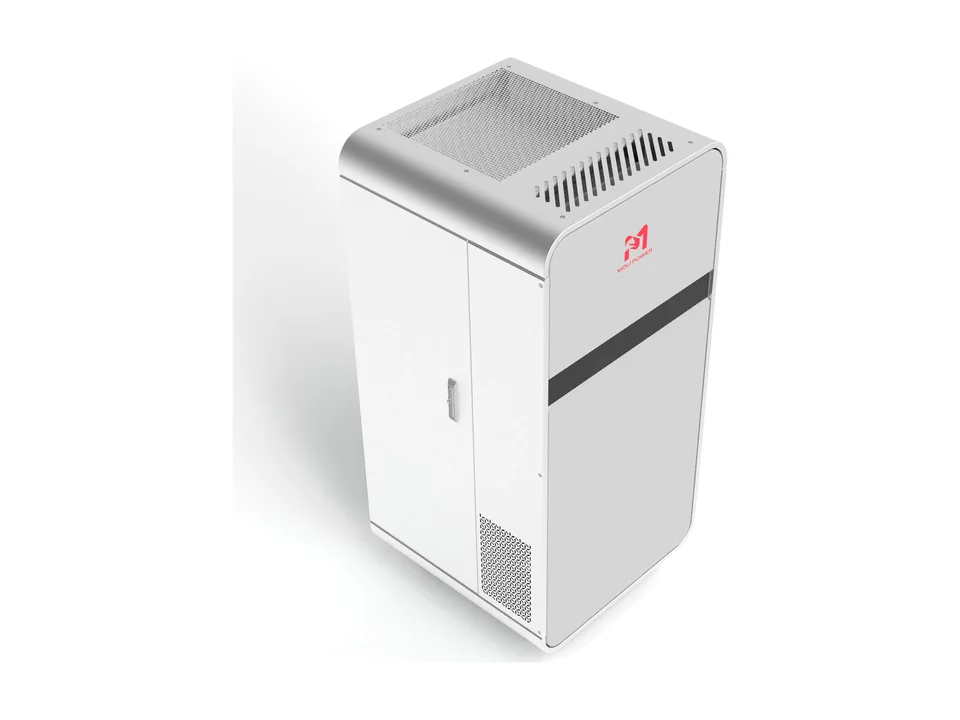
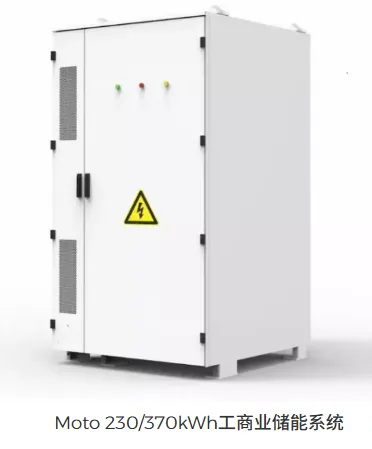
For homes, a 5–15 kWh LFP wall or stack unit paired with a hybrid inverter covers self-consumption and backup. Our Stackable Home Battery 5.12 / 10.24 kWh is built to start small and add modules, while the Wall-Mounted LiFePO4 Battery 51.2 V 100 Ah suits tighter plant rooms. For commercial sites, a 100–500 kWh liquid-cooled cabinet handles peak shaving and solar shifting; the Liquid-Cooled C&I Battery Cabinet 372 kWh is outdoor-ready, and the Solar Vigour All-in-One Hybrid ESS packages inverter, battery and fire protection in one cabinet for faster commissioning.
Cabling is where cheap projects fail inspections. Battery interconnect cable must be rated for the full DC system voltage — 1,500 V DC is now common — with flexible stranding for rack bends and correctly crimped, torque-checked terminations. PV strings need EN 50618 H1Z2Z2-K cable, and the AC side from inverter to switchboard should be XLPE insulated, sized for continuous current with derating for ambient temperature and grouping. Specify cable from the same supplier as the battery and you get one document set for the whole DC and AC path.
Lead times, logistics and quotation
Ask for the production lead time separately from shipping transit, and confirm Incoterms and whether the battery is shipped as Class 9 dangerous goods with the UN38.3 test summary attached. Sea freight for cabinets is typically the constraint; plan container loading in advance and confirm the state of charge at shipment. Finally, request a sizing sheet: your load profile, backup hours, PV array and grid connection, and we will return a matched configuration with cabling schedule and a firm quotation. Send your project details to /en/contact/.
Frequently asked questions
What is the difference between nameplate and usable capacity in battery energy storage?
Nameplate capacity is the total energy the cells hold; usable capacity is what the system lets you discharge after applying depth-of-discharge limits and efficiency losses. Always size on usable kWh at your expected C-rate and temperature, not the headline number.
Which certifications should a battery energy storage system have?
At minimum, IEC 62619 for stationary LFP safety and UN38.3 for transport. For cabinets and indoor or urban installations, buyers increasingly ask for UL 9540A fire-spread test data. Confirm certificates name the exact model and that your local authority accepts them.
Should I buy battery, inverter and cabling from one supplier?
It reduces interface risk: one party is responsible for DC voltage ratings, connector compatibility, terminations and the combined documentation set. It also simplifies warranty claims if a fault crosses the battery-inverter boundary.
How long does delivery take for a commercial battery cabinet?
It depends on configuration and volume, but plan for production time plus sea transit, and confirm the Incoterms and dangerous-goods paperwork early. Ask for the UN38.3 summary and state-of-charge shipping conditions with the quotation.
This article was compiled with automated research and reviewed against the cited sources.