Battery Energy Storage Systems: A Buyer's Specification Guide
How to specify a battery energy storage system: usable capacity, cycle-life test conditions, IEC 62619 and UL 9540A, IP rating, cabling and lead times.
By Xinya Power editorial team
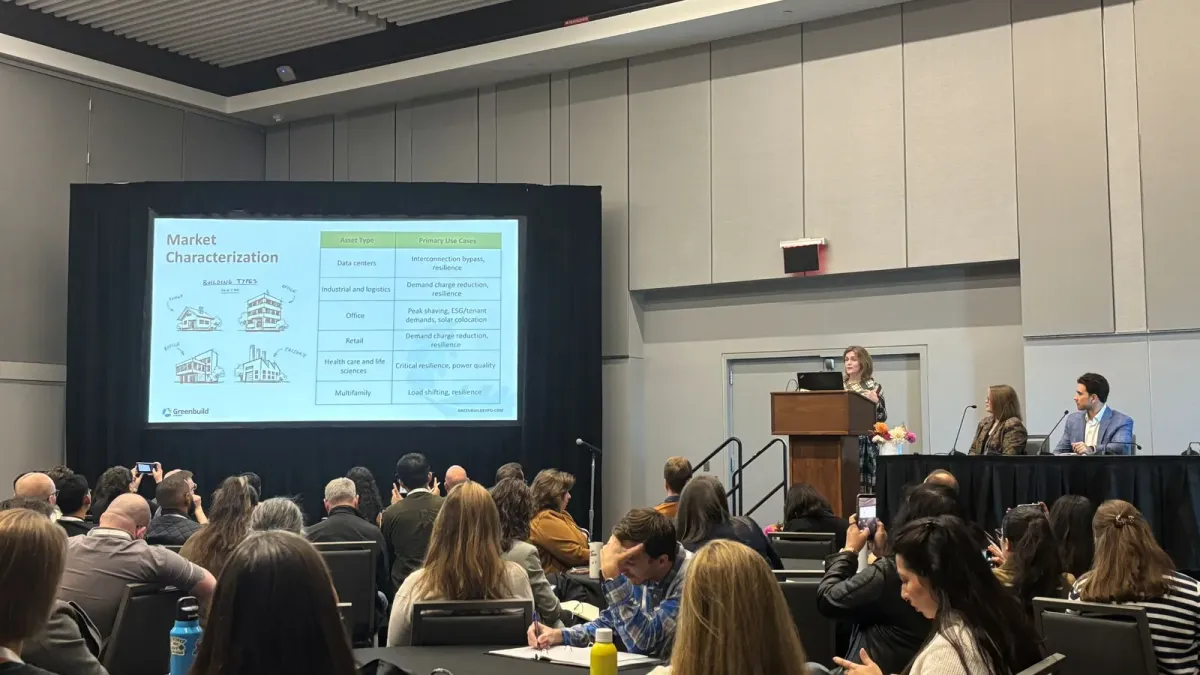
Image: Utility Dive
Battery energy storage is a complete system — cells, BMS, thermal management, inverter/PCS, protection and cabling — not just a battery pack. The right way to buy it is to specify usable energy, cycle-life test conditions, safety certifications and site conditions first, then match the DC and AC cabling to the equipment. This guide walks through those checkpoints so you can compare quotes on equal terms and avoid the classic mistake of pricing a system on nameplate kWh alone.
Why storage demand is reshaping procurement
Storage is moving from pilot projects to mainstream infrastructure, and that changes what buyers should ask for. Portugal has opened competitive procedures to allocate up to 1,050 MVA of grid connection capacity to battery storage projects, its first auctions of this kind since 2021 (Energy News). In India, the Cabinet approved Rs 14,500 crore under a VGF scheme for 92 GWh of grid storage, with a 40% domestic content rule for batteries and competitive bidding (Energy News).
On the commercial side, building operators are turning to batteries to counter rising energy prices and add resiliency, but safety concerns mean projects need thoughtful planning and community engagement (Utility Dive). Practical takeaway: your supplier should be able to document safety testing and support the permitting conversation, not just ship boxes.
What to check in the specification
Usable vs nameplate capacity. Ask for usable kWh at a stated depth of discharge and end-of-life threshold. A 10 kWh nameplate pack may deliver materially less usable energy after years of cycling; compare quotes on usable kWh, not nominal.
Cycle life and its test conditions. A cycle count means little without temperature, C-rate, depth of discharge and end-of-life capacity retention. Request the test report, not just the headline number.
Certifications. For LFP stationary storage, IEC 62619 is the baseline cell/battery safety standard; UN38.3 covers transport; UL 9540A addresses thermal runaway fire propagation and is increasingly requested by insurers and authorities. Confirm which certificate applies to the exact model and enclosure you are buying.
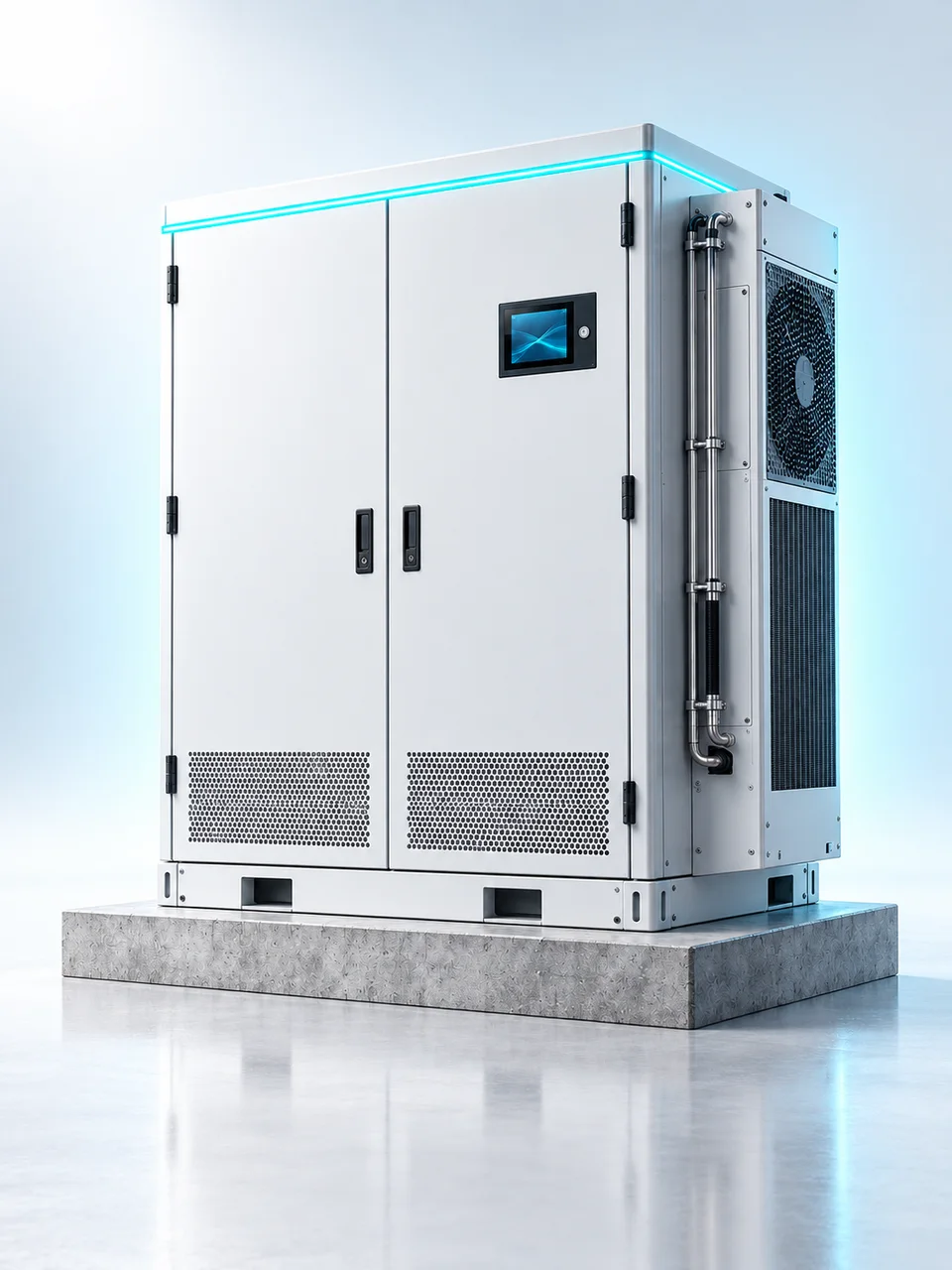
IP rating and thermal design. Outdoor cabinets need an IP rating matched to the site, plus either air cooling or liquid cooling. Liquid-cooled cabinets hold tighter cell temperatures in hot climates and high-duty cycles.
Warranty terms. Check years, throughput limits (MWh cycled), capacity-retention guarantee and who performs service in your country.
Typical configurations and how to size them
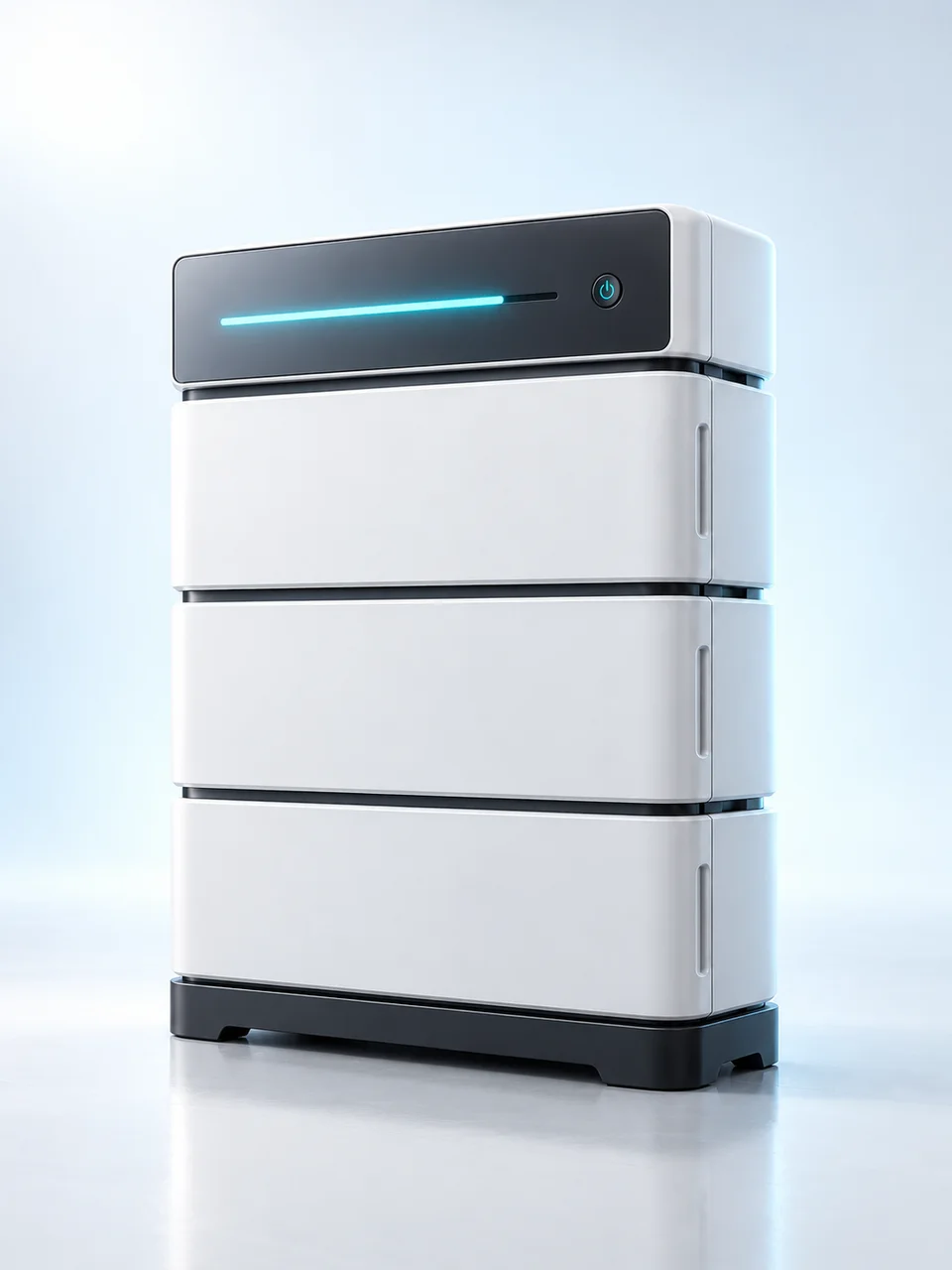
- Home: 5–10 kWh wall-mounted or stackable LFP with a hybrid inverter; stackable designs let the homeowner add capacity later.
- Apartment/balcony solar: 2–6 kWh plug-in storage paired with a small inverter.
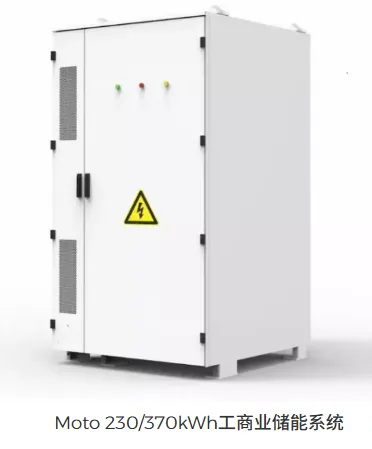
- C&I peak shaving and solar shifting: 100–400 kWh cabinets, often paralleled, with an external PCS.
- All-in-one C&I: 30–80 kWh cabinets combining inverter, battery and fire protection for faster commissioning.
- Off-grid: inverter-charger plus LFP bank, sized on nightly kWh and surge loads.
For residential projects, the Stackable Home Battery 5.12 / 10.24 kWh and the Wall-Mounted LiFePO4 Battery 51.2 V 100 Ah cover most single-phase retrofits. For commercial sites, the Liquid-Cooled C&I Battery Cabinet 372 kWh is built for outdoor peak shaving, while the Solar Vigour All-in-One Hybrid ESS ships as a pre-integrated 30 kW/60 kWh or 40 kW/80 kWh cabinet.
Cabling: the part most quotes get wrong
Storage systems fail audits on cabling more often than on cells. Specify:
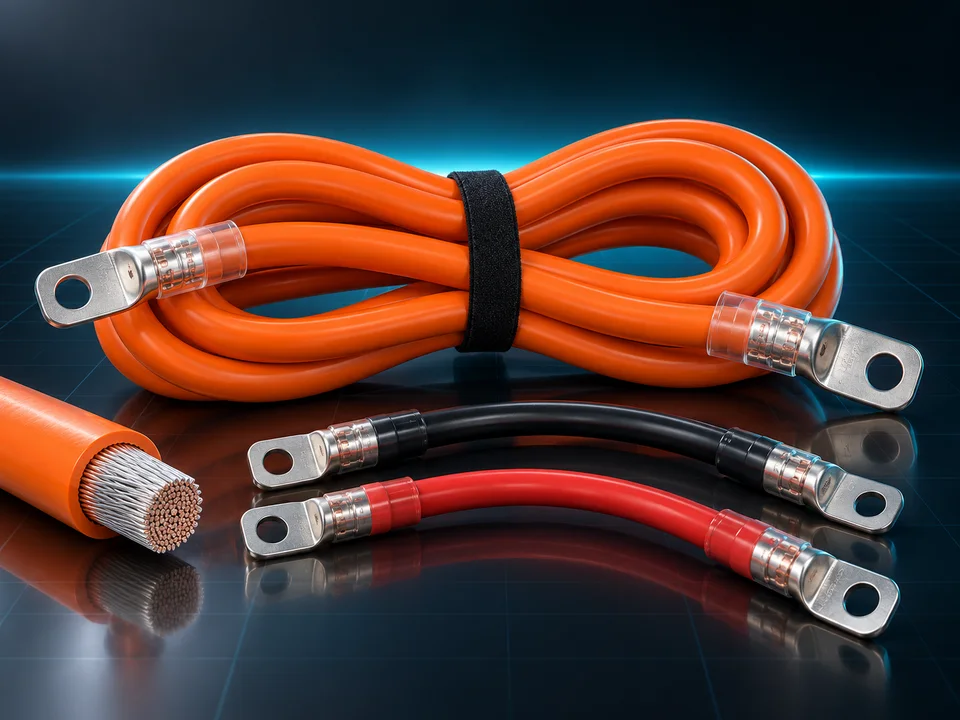
- DC battery interconnect: 1,500 V DC rated, high-flex, flame-retardant cable with correct lugs and torque values for rack jumpers.
- PV DC: H1Z2Z2-K 1.5 kV DC cable to EN 50618 between modules and the inverter/MPPT.
- AC output: 0.6/1 kV XLPE power cable sized for continuous current plus derating for ambient temperature, grouping and enclosure.
Buying cable from the same manufacturer as the storage removes a common compatibility dispute. Our ESS Battery Interconnect Cable 1,500 V DC, H1Z2Z2-K Solar PV Cable 1.5 kV DC and 0.6/1 kV XLPE Power Cable for ESS are produced on our own lines.
Lead times, logistics and supplier checks
Ask for production lead time by model, not a generic figure; confirm whether the battery is shipped under UN38.3 with the correct class-9 documentation; check Incoterms, packaging for sea freight and whether the supplier can pre-assemble racks and harnesses. Finally, verify the supplier manufactures or controls the cable, BMS and enclosure supply chain — vertical control is the cheapest insurance against field failures.
Send your load profile, site conditions and target backup hours to /en/contact/ and we will return a sized configuration with matched DC and AC cabling and a quotation.
Frequently asked questions
What is the difference between nameplate and usable capacity in battery energy storage?
Nameplate capacity is the total energy of the cells; usable capacity is what the system delivers within its depth-of-discharge limits and before reaching end-of-life retention. Always compare quotes on usable kWh at defined conditions.
Which certifications should a battery energy storage system have?
At minimum IEC 62619 for stationary battery safety and UN38.3 for transport. For larger or indoor projects, UL 9540A thermal runaway testing is often requested by insurers and authorities; confirm the certificate covers your exact model.
How do I size the DC and AC cables for a storage system?
Size DC interconnect cable for the maximum rack current at 1,500 V DC rating, and AC cable for continuous inverter output with derating for ambient temperature and installation method. Use 1.5 kV DC PV cable to EN 50618 on the solar side.
Can I buy the battery, inverter and cabling from one supplier?
Yes, and it simplifies compliance. A single supplier can confirm that DC voltage ratings, connector types and AC current ratings match across the whole system, and handles warranty claims without finger-pointing.
What lead time should I plan for a commercial storage project?
Lead times vary by model and configuration, so request a per-model production schedule with your quote. Add time for shipping documentation, site preparation and any grid-connection approval your market requires.
This article was compiled with automated research and reviewed against the cited sources.